Battery-fed HR-V revealed

 Could the e:Prototype unveiled in China this week become Honda NZ’s first electric car?

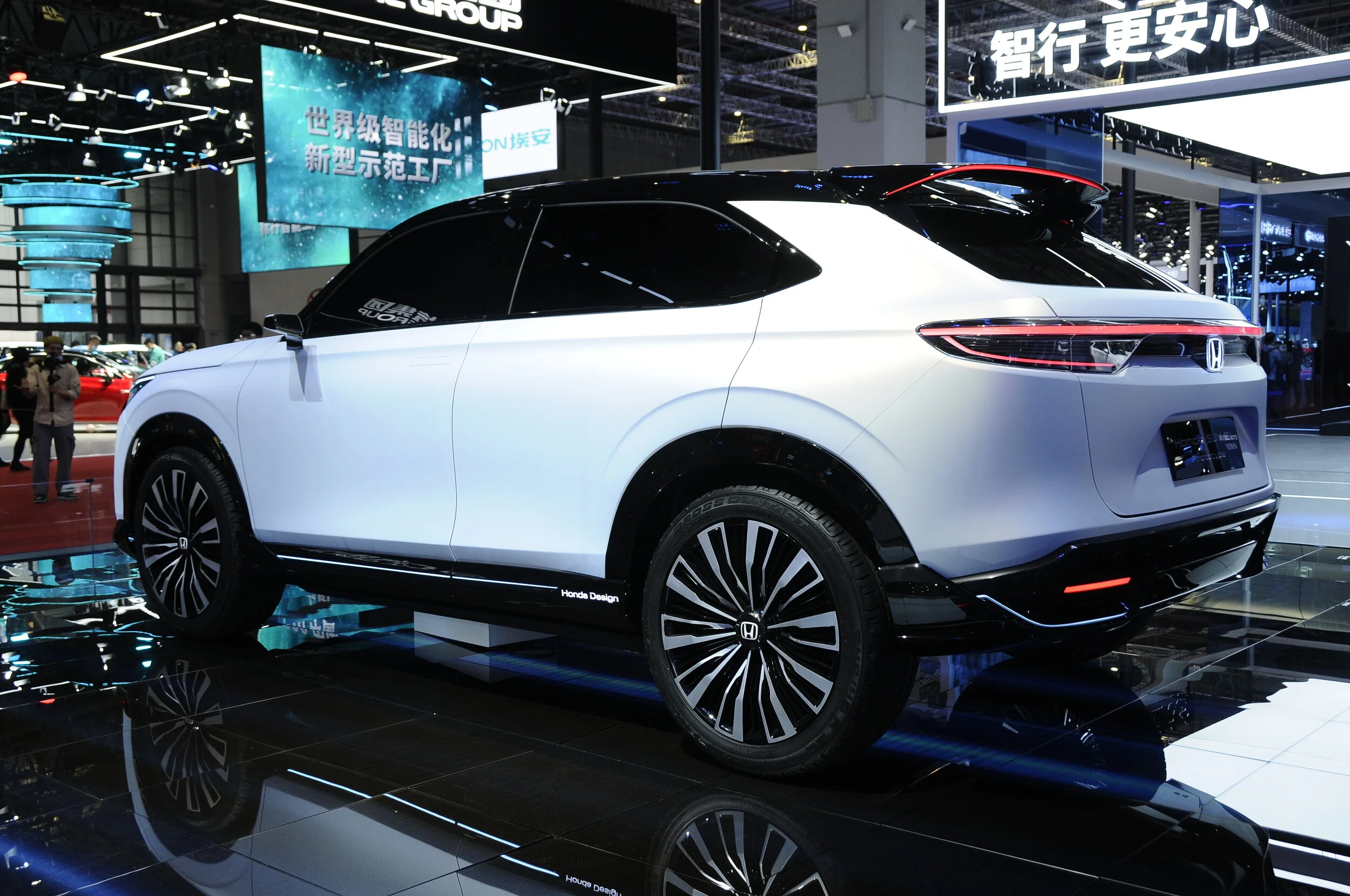
The SUV e:Prototype is an electric version of the next-generation HR-V, below, expected to show in NZ.

The SUV e:Prototype is an electric version of the next-generation HR-V, below, expected to show in NZ.

330685_Honda_HR-V_e_HEV_2021.jpg

 MIGHT the next generation of Honda’s smallest crossover be set to hit in a fully electric specification to offer as an alternate to petrol-hybrid and fully fossil-fuelled versions already cited for New Zealand? 

That speculation in respect to the HR-V has been fuelled by the brand’s star attraction of this week’s Shanghai motor show.

Even though the front and rear styling has been heavily revised, the SUV e:Prototype is clearly based on the new HR-V, which Honda unveiled several months ago and is expected to reach New Zealand in the second quarter of 2022.

Honda has confirmed that the e:Prototype is destined for production, with plans to be rolled out on a global scale.

Some say this means it could be the first electric Honda to be officially offered in our market.

Honda says the car is the first of 10 similar electric vehicles it intends to roll out over the coming five years.  

Aside from the design influence from the new HR-V, it has bespoke touches of a thin LED strip in the front and at the top, LED eye-shaped headlights and thin side mirrors.

_DSC4449.JPG

The LED logo in the front envelops the panel which comes as its charging port. The sides of the vehicle include retractable front door handles, black body cladding, while the rear of the SUV sports twin tail lamps integrated by a light bar and the Honda logo in the middle.

The model features the company's proprietary ADAS driver-assist and safety systems and Honda Connect, which enable Wifi connectivity, over-the-air updates and a smartphone link leveraging a voice recognition mechanism.

Honda says the car’s AI-driven smarts furnish users with connectivity to online shopping and smart home appliances and also utilises digital key via the smartphone.

The company has not revealed any specifications of the battery size, number of electric motors, power or driving range.


Kiwi-favoured Kona EV pulled from home market

Hyundai has determined to keep exporting the five-seater, according to media reports from South Korea.

2021 Kona.jpg

ONE of New Zealand’s most popular electric cars, the Hyundai Kona EV, has reportedly been withdrawn from sale, but only in its home market.

Media in South Korea are reporting today that Hyundai is discontinuing the model’s local availability, saying the decision to “phase the car out” locally is as a result of a massive recall due to a fire risk in the battery pack, an issue that first became public in news reports last October.

Yonhap News Agency reports that the car’s image has been tainted by a series of battery fires, which prompted the maker to recall more than 75,680 units in February jointly with battery maker LG Energy Solution Ltd.

They say the five-seater medium sport utility will continue to be built for export.

Comment about the situation and any implications for this market has been sought from the brand’s national distributor. 

Hyundai New Zealand has enjoyed great success with the model, which it introduced in 2018 and sells in $76,000 and $86,000 formats. It is poised to release a mid-life update variant with performance and range improvements plus styling and specification changes.

The fire danger issue for Kona EV also implicated the smaller Ioniq hatchback in its fully electric format and has made headlines in South Korea for some months. 

It was acknowledged by Hyundai New Zealand on February 25, a day after Hyundai Korea announcing intention to replace the batteries in 82,000 vehicles, the majority of them Konas, at cost of around $US900 million. It’s been called the biggest and most expensive recall for any electric car.

Since then Hyundai distributors around the world have progressively initiated recalls to undertake the intensive and time-consuming process of a battery swap, but it is still not clear if Hyundai NZ has started this process.

Last November it recalled 724 Kona EVs in NZ ownership – examples built between September 29, 2017, and March, 20, 2020 - having been advised by the factory that "the lithium-ion battery may have internal damage or the battery management system control software may cause an electrical short circuit after charging" which could result in a fire.

The immediate remedy for this was to change the battery management system and, if that did not work, Hyundai advised the same procedure it proposes for the global recall – pulling out the battery, a hefty and large item which completely fills out under the floor and is all but a structural component, and replacing it.

When last approached for comment, in late February, a spokesperson for the Auckland-based distributor said it was aware of the situation “however, (we) are waiting for official communication from Hyundai Motor Company with regards to this recall and the number of EVs affected here in New Zealand.

“Safety of our customers is paramount, so as soon as we have a list of affected vehicles we will contact those customers to advise next steps.”

As of mid-afternoon today, no action for the problem had been notified on the national new vehicle recalls register.

When the story broke, a major South Korean news outlet, Business Korea, reported 15 individual incidents of battery-related fires as having been recorded in Kona EVs. Similar fires have also been reported in Ioniq electric cars.

Since this matter first aired Hyundai has announced a new generation electric car, the Five, produced under a freshly-established sub-brand that it (confusingly) also calls Ioniq.

The Ioniq 5 will release in New Zealand late this year; it is a larger, more powerful car than the Kona EV and, being based on a new bespoke platform and having more technology, is expected to be rather more expensive.

Korean news agencies said today that Hyundai will from now on promote the Ioniq 5 as its primary electric offering in South Korea.

 Hyundai will only sell Kona EVs in stock for the domestic market, while continuing to export them to overseas markets, company officials said.

Yonhap reported that the production of Kona EVs has been halted since March “in consideration of the domestic demand and to realign the assembly line for new EVs."

Hyundai sold more than 10,000 Kona EVs in South Korea in 2018 and 2019, but sales dropped to about 8000 units last year following the fires and what Yonhap has described as “the maker's mishandling of the recall programme.”

Hyundai sold only 984 units in the domestic market in the first quarter, a 40 percent drop from a year earlier, while its overseas sales fell 17.9 percent on-year to 7428 units, its financial reports showed.

The brand has high hopes for Ioniq 5, saying it has received strong responses in the domestic market alone, drawing over 40,000 preorders so far.

Just-unveiled updated Polo a ‘maybe’ for NZ

Distributor weighing up further need for more Golf-like model given strong sales preference for its like-sized and priced crossovers.

Screen Shot 2021-04-22 at 11.37.48 AM.png

CONSUMER swing toward two strong-selling Volkswagen crossovers will weigh on unreconciled decision-making about whether the heavily revised Polo small hatch revealed in Europe today finds its way to New Zealand.

This today from the distributor, with a spokesman for Volkswagen New Zealand commenting: “We are still in discussions with the factory over the Polo facelift for New Zealand for 2022. 

“The current Polo will continue to be sold well into next year.
“Polo is an important vehicle for us, but we are seeing customer demand moving from the hatches into sports utilities such as T-Cross and T-Roc.”

T-Cross is based on the same MBQA platform as the new Polo whereas T-Roc is the next size up and drawn off a Golf underpinning. The two models together account for a substantial chunk of VW NZ registrations, far more than are achieved by Polo, which in present form releases in 1.0-litre base, R-Line and 2.0-litre GTI formats.

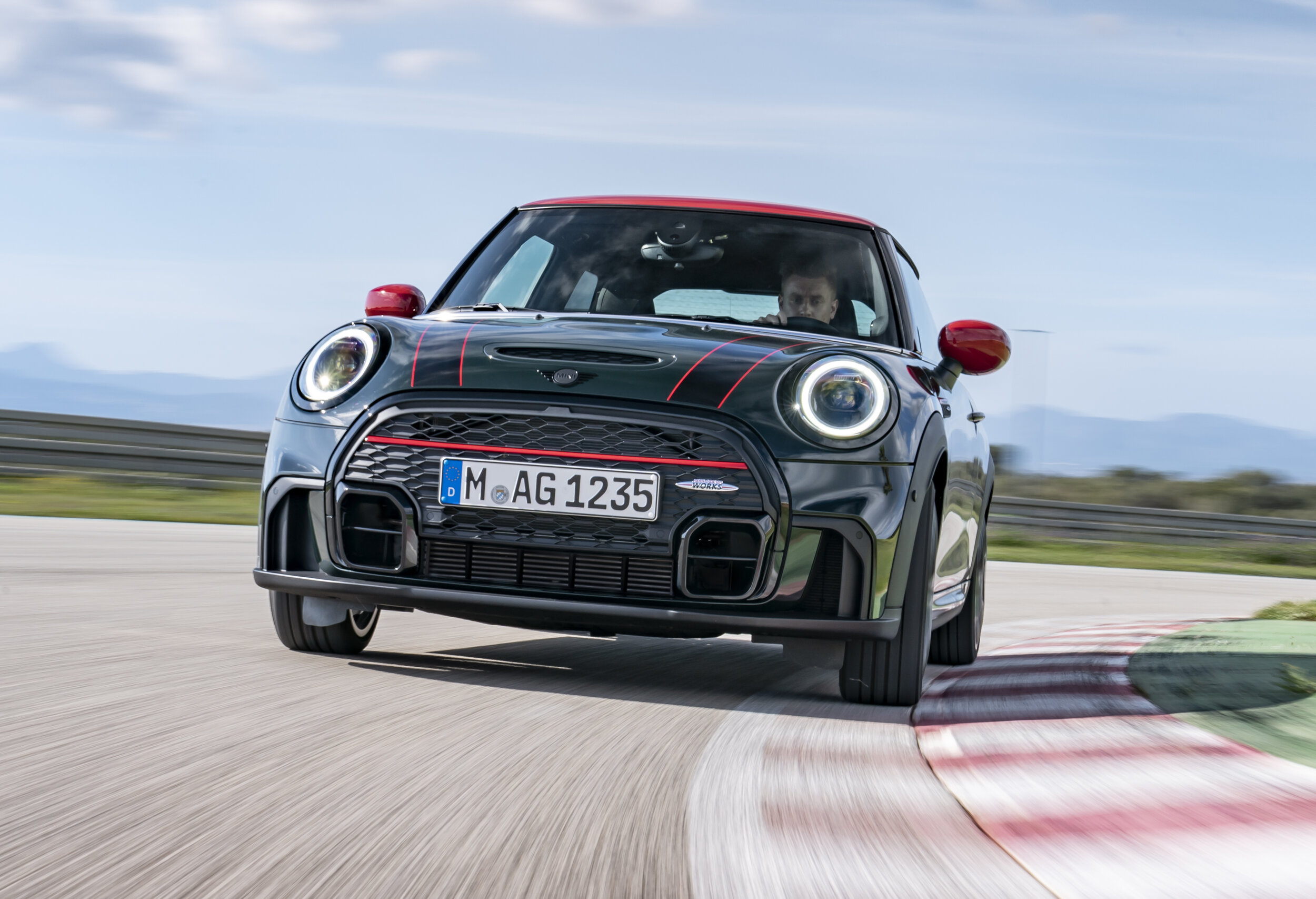
The facelift is a massive refresh, basically turning this sixth-generation car into a pint-sized replica of the new Golf, with a swath of technologies first seen in the larger hatch transferring across. In addition, as the images, it achieves a styling update that also cements association with the big brother.

The front end achieves a fresh front bumper and headlight arrangement incorporating a new LED lighting bar that runs from the new-look headlights (available with IQ. Light matrix LED technology for the first time) to the VW badge. 

At the rear, the Polo receives new badging, the LED tail-light clusters have a Golf 8-inspired shape and can be had with dynamic indicators - the ‘wiping’ effect previously only found on more expensive VW Group cars.

The R-Line continues a sporty-looking but standard performance alternate to the genuine GTI and the Style and Life designations given the Golf now apply on Polo as well.

The interior refit is major.  A digital instrument panel is standard, either eight inches or 10.25 inches in the Digital Cockpit Pro version, there’s a new multifunction steering wheel and the central display is also much like that in the Golf, with knobs and buttons replaced with a touch-sensitive panel, albeit only in models with automatic climate control. It achieves two USB-C ports, while a wireless smartphone charging bay is an option. 

In respect to infotainment systems, the base car has a 6.5-inch display while more expensive versions adopt either a 8.0-inch touchscreen system or the highest-level 9.2-inch display. These come with Volkswagen’s We Connect connectivity , designed to deliver real-time traffic info and live music streaming in markets where those services are provisioned (so, not yet NZ). Wireless Apple CarPlay and Android Auto also include.

Semi-autonomous driving assistance comes to the Polo for the first time, with the adoption of the Travel Assist function available in the latest Golf and Passat. It can take over the accelerating, braking and steering of the Polo, from standstill in automatic models all the way to the vehicle’s top speed. It’s a combination of lane-keep assistance and the new predictive adaptive cruise control set-up, though the driver must keep their hands on the wheel at all times. 

The United Kingdom is the only right-hand-drive market cited as certainty for the car at the moment. Engine provision there will consist entirely of 1.0-litre three-cylinder petrols for every mainstream variant; from a naturally-aspirated 59kW /93Nm option married to a five-speed manual gearbox then a pair of turbocharged TSI variants, one developing 70kW and the other making 80kW. If VW NZ does decide to continue with Polo, then the latter will likely be its preference, as it alone matches purely to a direct shift transmission, the only gearbox choice availed here. It’s still a seven speed.

The GTI is also to be continued, but VW won’t show off the new one until 2022. Belief is that it will continue with the current car’s 2.0-litre turbocharged four-cylinder engine. However, whether it continues to develop 147kW remains to be seen. Industry observers have noted that Volkswagen has had to decrease the power of some of its hot hatchbacks in the past, to comply with more stringent WLTP CO2 homologation.


Electric Hilux possible, electric world …?

 Batteries could be included for a New Zealand favourite but don’t imagine every future Toyota will go that way, the brand says.

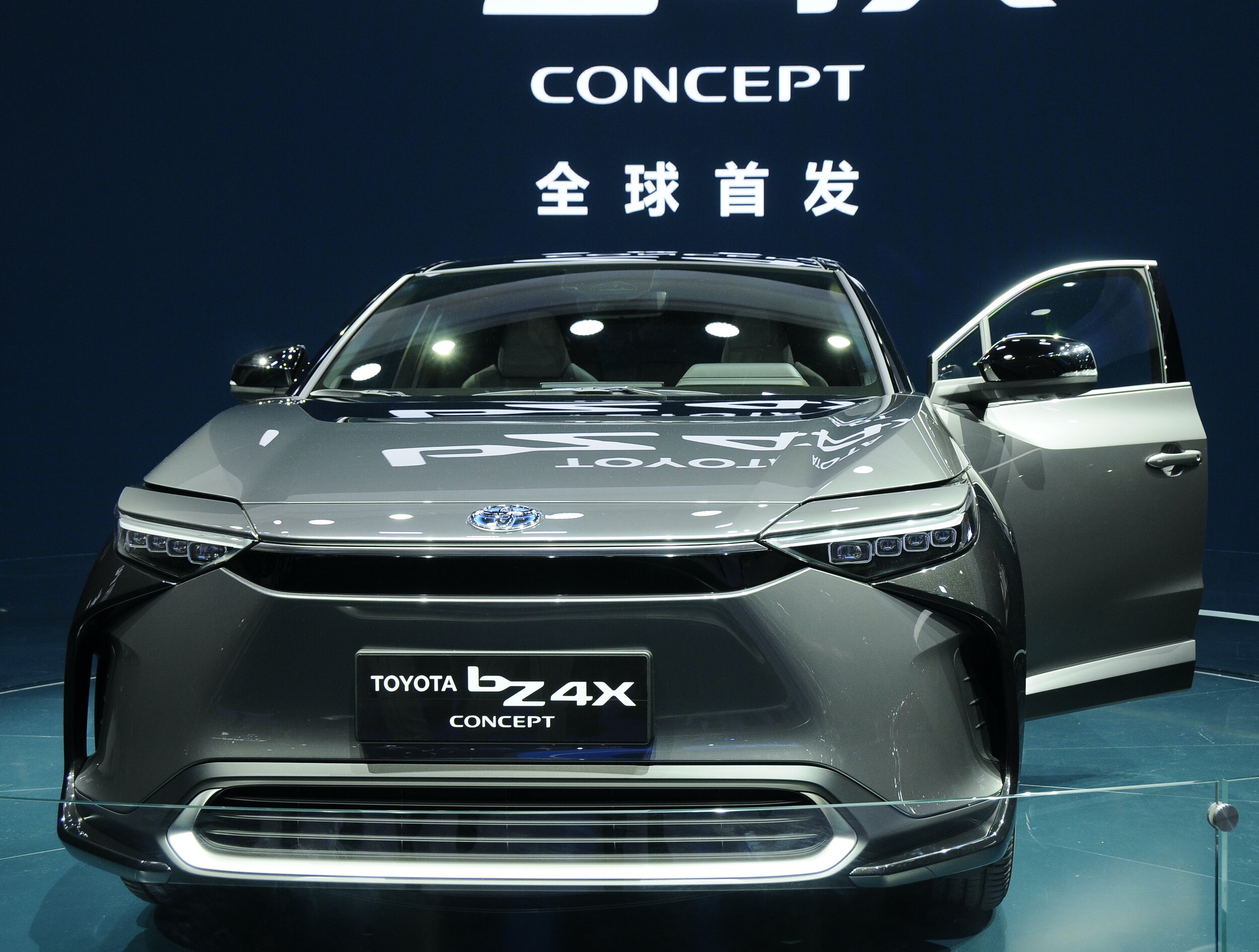
bz4x previews toyota’s first fully electric car, out next year. But it doesn’t mean every future Toyota will power play this way.

bz4x previews toyota’s first fully electric car, out next year. But it doesn’t mean every future Toyota will power play this way.

TOYOTA has fired up focus on the potential for a New Zealand market icon, the Hilux, being battery-driven yet also suggested a fully electric driving world is improbable.

The matters have been addressed by Toyota Australia, which has acknowledged that the push to add hybrid or pure electric power to all models could eventually see the introduction of a battery-compelled version of the top-selling one-tonne ute. 

Additionally, however, the distributor has spoken stridently in suggesting not every vehicle on the planet can ever switch to pure electric power, primarily because this transition would simply shift the problem from tailpipes to power stations.

This viewpoint has spurred Toyota New Zealand to say that it’s a reminder that each country has its own challenges and that our neighbour’s are different to our own.

Says TNZ chief executive Neeraj Lala: “The challenge for Australia and TMCA (Toyota Motor Corporation Australia) is that in transitioning to BEV a large proportion of their electricity is generated by fossil fuels hence the commentary on shifting the problem.”

In comment on Tuesday, a day after the home office of the world’s biggest car maker unveiled the pure-electric BZ4X, a RAV4-sized and styled model that has been confirmed for New Zealand availability from 2022, the Australian operation’s sales and marketing boss contended: “Despite this week’s focus on (pure-electric cars), we cannot achieve carbon neutrality simply by turning all our cars into (pure-electric vehicles).”

The statement from Sean Hanley is potentially a litmus paper to electric vehicle supporters who hold belief there is no reason why New Zealand should not stop the sale of new fossil fuelled vehicles by 2035, as proposed by a Government study, and wholly embrace a mains-fed future.

On this, Lala says: “That is an issue at the source of electricity generation for Australia (albeit it a far smaller issue here in NZ) … we have our own challenges and need to continue to work with the Government and relevant industries to continue our transition to a low emission vehicle fleet in NZ.”

The new car market leader concurs with a view also put by the Australians – namely, that the world of tomorrow will be better served by a choice of future vehicle technologies.

To that end, Toyota says over the next decade it will expand its choice of technology – beyond petrol and diesel vehicles – by introducing more hybrid, plug-in hybrid, pure-electric, and hydrogen models.

A fully electric Hilux? Never say never, apparently.

A fully electric Hilux? Never say never, apparently.

Lala offered that because each country has its own unique challenges in considering models in their market including powertrains and electrification “…the Toyota global view has been to not focus on just one but multiple powertrain options so countries and customers can have a variety of low emission options that suit them.

“As the technologies advance, there is a likelihood that electrified models will span across our whole model range (this is our longer term objective) and if these are developed and introduced as HEV, PHEV or BEV has a dependency on how mature the market is and what benefits the power train can offer the customers in that market.”

While not responding directly to the concept of a battery Hilux, he offered this view. “ … NZ customers want more rugged utes that can go off-road, tow and carry loads so a BEV option would need the support of charging infrastructure in both urban and rural/remote locations to be practical for our customers.” 

The idea of an electric ute fits in with contention from Toyota’s agency in the United States, which this week let slip that pick-up trucks it sells will take this form of propulsion.

The timing is anyone’s guess. Having previously said it wanted to have battery-influenced versions of every important car it makes in circulation by 2025, Toyota Japan this week pushed out that timeframe to 2030.

Also, while Toyota has said a Hilux EV could happen, it also says that it might be a decade before we see it. In the interim, then, a hybrid option could still be in the more immediate future.

The thought out of Australia about the purely battery-fed Hilux has come with a caveat about the need for such a vehicle to be up to surviving Australia’s tough conditions.

However, when asked about the imminent arrival of electric versions of the Tesla Cybertruck, Ford F-150 and Chevrolet Silverado in the US – and the possibility of a Toyota rival – Toyota Australia executives reportedly said an electric Hilux could not be ruled out.

The CarAdvice website has quoted the senior product planner for Toyota Australia, Rod Ferguson, as saying: “We have not ruled out a pure-electric Hilux” and, though such a vehicle would “definitely be a challenge, but until we get to point where we say we can’t do it, we will explore every option”. 

Advancements in battery systems could one day make an electric heavy-duty ute possible, Ferguson said.

bz4x is RAV4-sized, but will it compete directly with the popular sports utility?

bz4x is RAV4-sized, but will it compete directly with the popular sports utility?

“We need to consider the packaging and changing platforms (vehicle architecture). We haven’t ruled it out.”

In respect to the idea of an utterly electric driving world, Toyota Australia’s executives are not so sure.

According to Hanley: “One-quarter of the world’s CO2 emissions today come from electricity generation. Even by 2040, more than half the world’s electricity is expected to be generated by fossil fuels.”

“Therefore, if all cars were to become (pure-electric vehicles), the demand for electricity would increase and carbon neutrality could be a long way off.

“We simply cannot achieve carbon neutrality by only producing electric vehicles,” said Hanley, especially as “more than half the electricity generated by 2040 will still be powered by fossil fuels. 

“In the end, the main driver of electrification (of vehicles) will be … the consumer,” said Hanley, adding that Australians have a “broad use” of vehicles and a vast range of demands, from rural and city use to mining and off-road driving.

“Our vehicles must be fit for purpose. There’s no point bringing a car to market if it can’t do what consumers want.”


Electric Mazda CX-30 unveiled

 New model a sister ship to battery-pure MX-30 about to go on sale here.

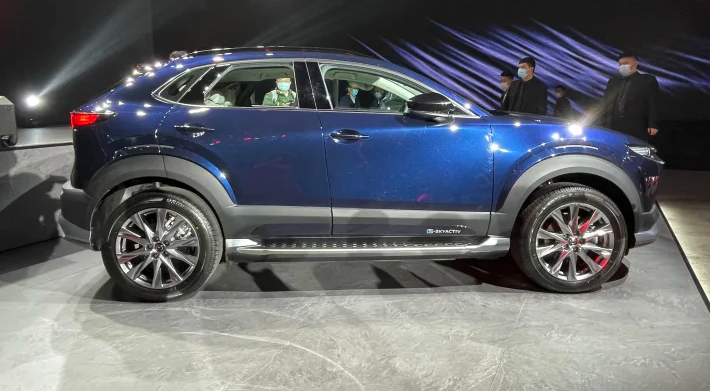
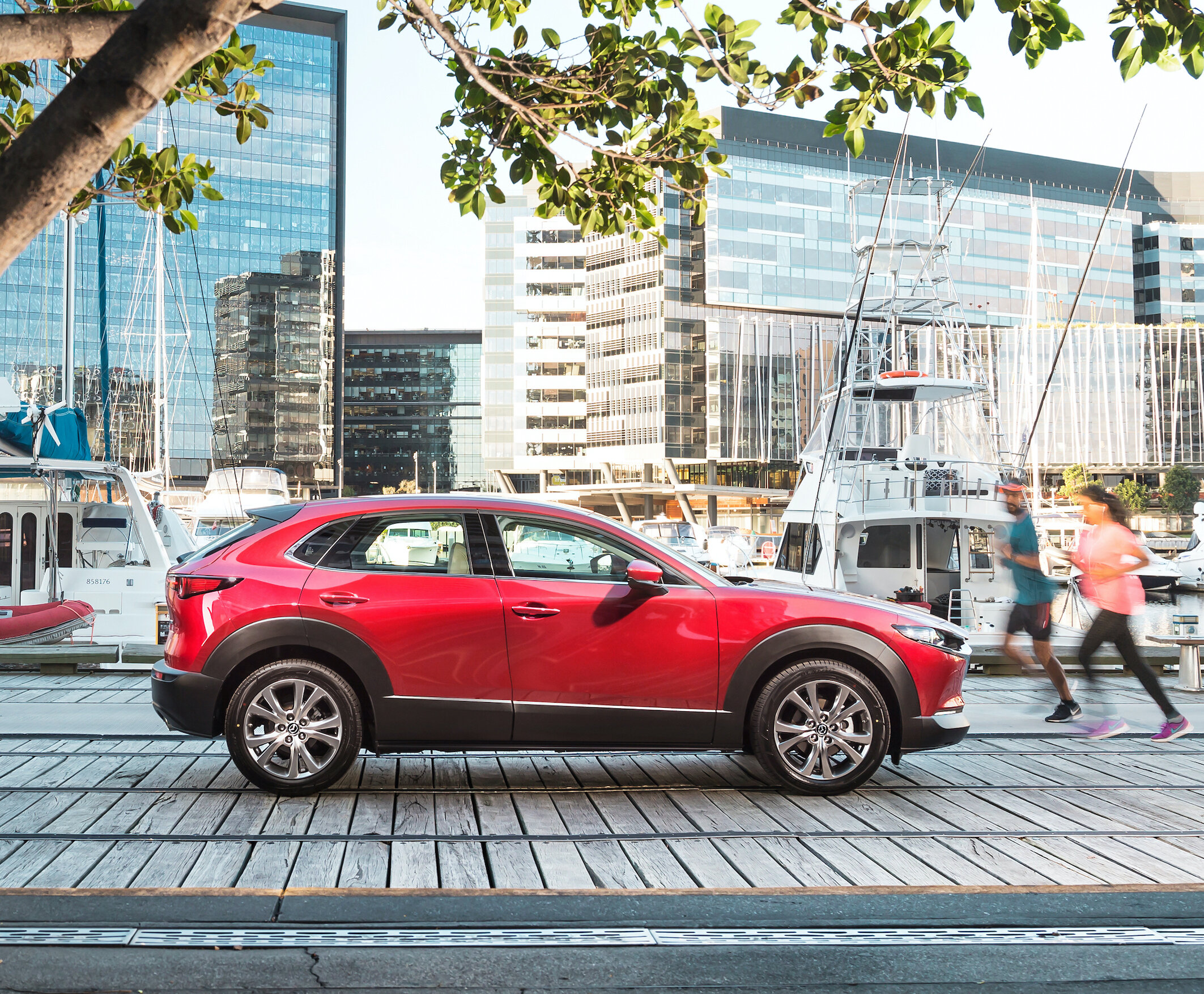
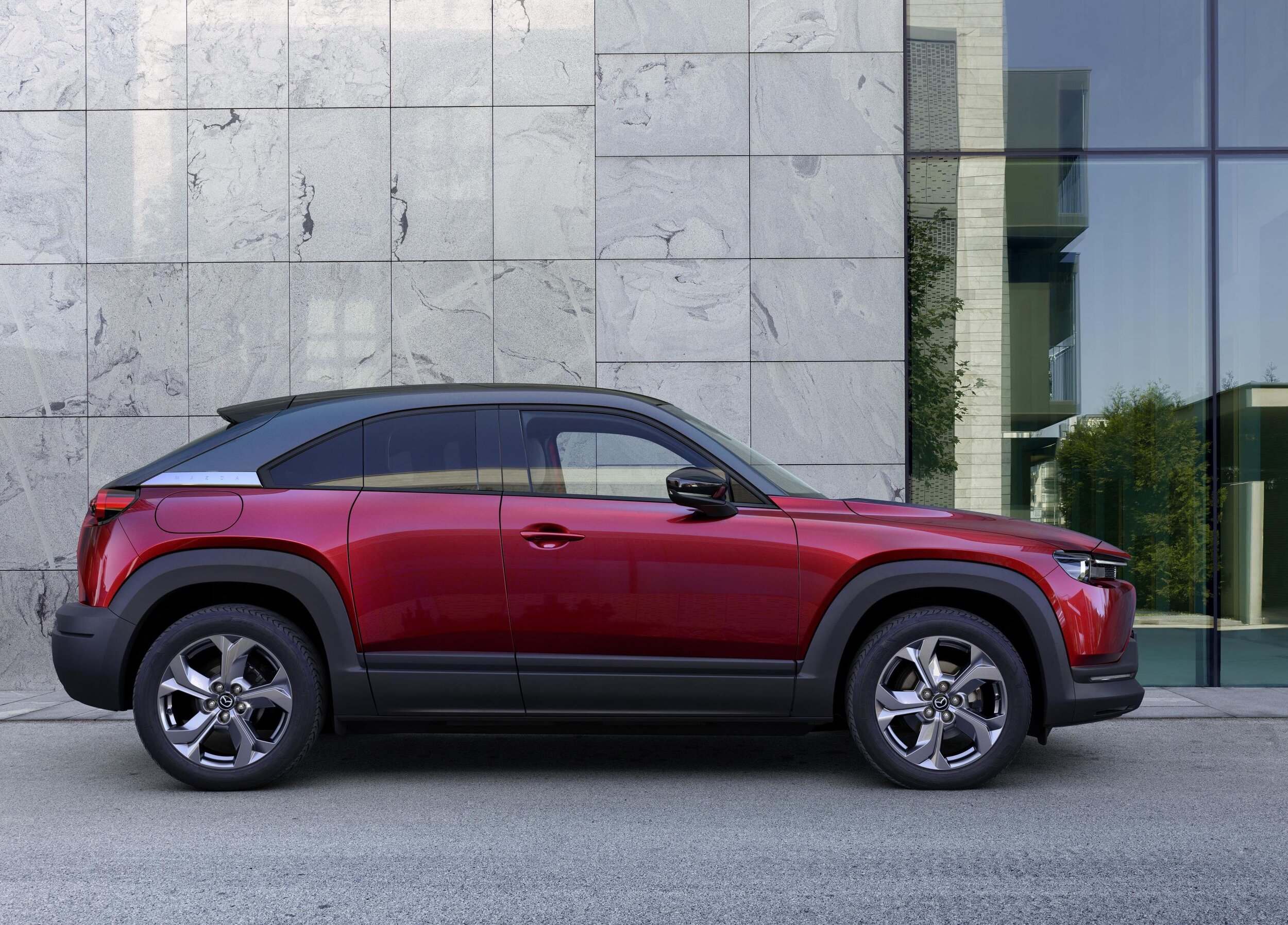
The CX-30 EV at the Shanghai motor show, above, is a derivative of the petrol edition popular with Kiwis (below) that appears to run the same drivetrain as the MX-30 Electric  (bottom) about to release in New Zealand.

The CX-30 EV at the Shanghai motor show, above, is a derivative of the petrol edition popular with Kiwis (below) that appears to run the same drivetrain as the MX-30 Electric (bottom) about to release in New Zealand.

CX30-ThomasWielecki-006.JPG
Mazda MX-30_Exterior_HERO.jpg

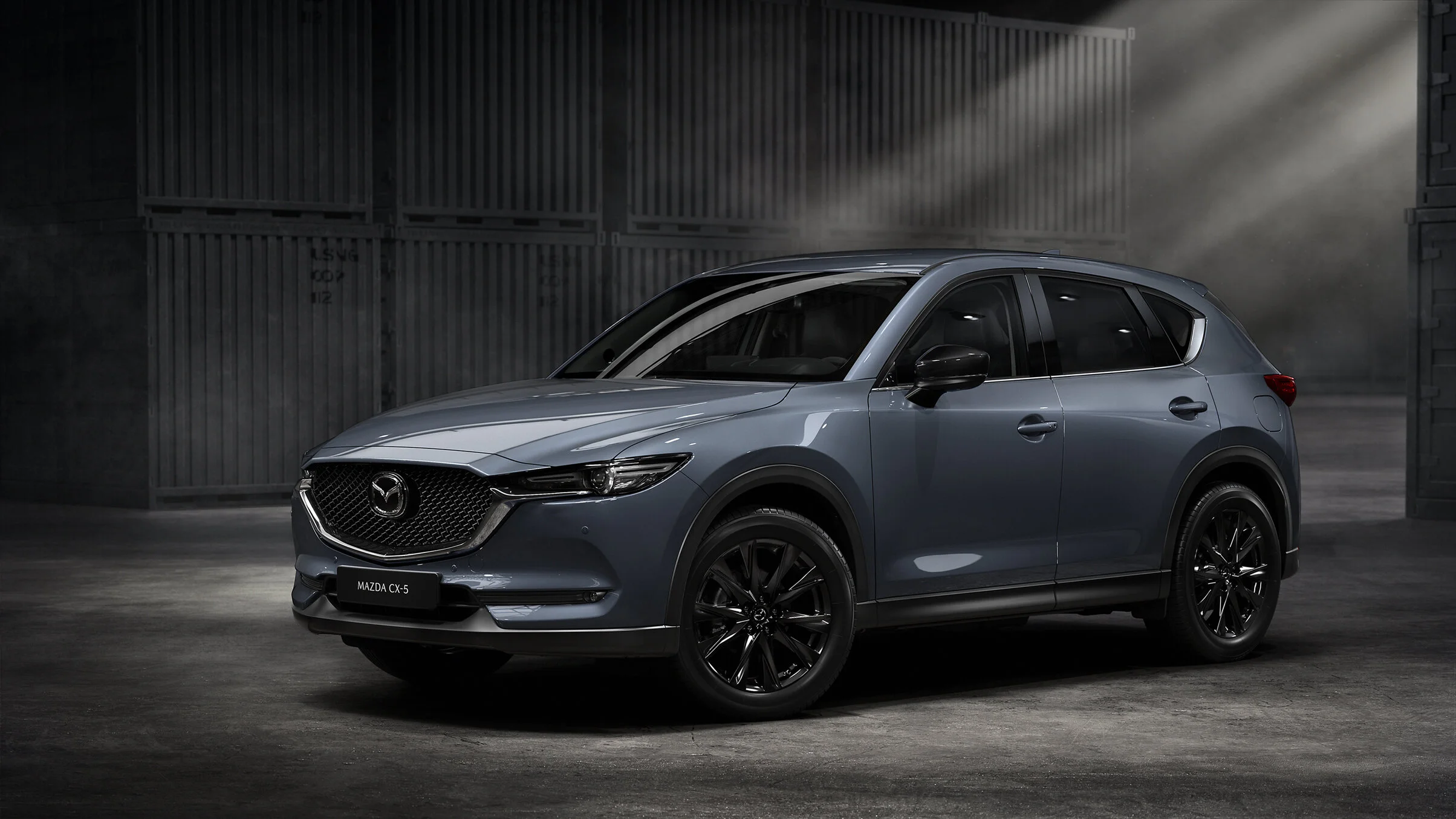
MAZDA’S electric vehicle family has doubled, but chances of one day seeing the ‘second child’ CX-30 in New Zealand alongside the battery-fed MX-30 about to go on sale here seem slim at best.

The fully mains reliant version of the CX-30 unveiled at the Shanghai motor show yesterday would conceivably attract Kiwi interest, as the petrol versions on sale here are popular sellers.

However, Mazda Japan has made clear the new car – called CX-30 EV - is for China only at this point.

That point is reinforced by it being set to be produced solely by the brand's Changan Mazda joint venture in Nanjing, China, rather than in Japan, the sourcing point for all Mazda NZ’s passenger product.

Despite having very different body styles – the MX-30 being more rakish and noteworthy for having pillar-less freestyle doors, which open outwards from the central B-pillar point – the MX-30 and the CX-30 are closely related.

 Both are based on a common architecture, also shared with the Mazda3, and physical dimensions are very close.

The MX-30 formats in two distinct drivetrain provisions – there is one model designed to run with petrol engine-assisted hybrid and another that avails in full electric. Both are destined for New Zealand availability, pricing yet unknown.

The CX-30 EV also appears to share technology with the expressly battery MX-30 Electric.

The MX-30 MX Hybrid, meantime, is powered by a 2.0-litre, four-cylinder petrol engine paired to Mazda's M Hybrid system, producing maximum outputs of 114kW and 200Nm through a six-speed automatic transmission sending power to the front wheels only.

The addition of the mild-hybrid system means the model's official fuel consumption figure is reduced to a claimed 6.4L/100km on a combined cycle.

The MX-30 Electric looks much the same as the mild hybrid car, save for some subtle electric badging on the exterior and a combined AC/DC charging point where the fuel cap would normally be – on the rear right-hand side of the vehicle.

The electric model is powered by a 107kW/271Nm electric motor on the front axle and boasts a 35.5kWh lithium-ion battery pack mounted beneath the floor. It is thought the CX-30 EV has the same powertrain. 

The MX-30 Electric is capable of up to 200km on a single charge according to the World harmonised Light vehicle Testing Procedure (WLTP). The CX-30 EV is thought to have the same range, which is notably lower than some key competitors, like the Hyundai Kona EV, which has 484kms on WLTP.

Styling differences between the CX-30 EV and regular model that Kiwis know are minimal, though the placement of the battery pack under the floor means the electric model rides somewhat higher than its petrol-powered counterpart. It runs on 19-inch wheels and has 'e-SkyActiv' badging.

 It is not clear if the CX-30 EV could provision as the MX-30 Electric also ultimately will, with a petrol-fed rotary engine range-extender drivetrain.


VW reiterates ID.6 'just for China'

 VW’s third MEB model has been revealed in two formats.

DB2021AU00294_large.jpg

 AN electric Volkswagen ID model intended just for China, at this stage, has been revealed.

The seven seat, sports utility-styled ID.6 is built on the MEB electric platform that underpins the ID.4 sports utility that is coming on sale in New Zealand, potentially not before late 2022, and the ID.3 sedan that seems less likely as a distributor-provisioned NZ-new car, though it is here as a grey import.

Essentially a long-wheelbase ID.4, the ID.6 will be built as a 'Crozz' model in North China and as an 'X' in the south of the country. For it to be availed in NZ would require major re-engineering as China is a left-hand drive country.

It is powered by a variety of electric motors and battery packs, with the usable capacity of the latter ranging from 58- to 77kWh; meaning any ID.6 will be able to do between 436 and 588km on a single charge.

DB2021AU00293_large.jpg

With a maximum output of 225kW going through all wheels and 4Motion technology, the model can do 0-100kmh in 6.6 seconds and 160kmh flat out.

ID.6 is 300mm longer than the ID.4, to accommodate a third row of seats to the rear of the passenger compartment. Wheel sizes go from 19 to 21 inches in diameter, while a panoramic roof is standard; as an option, it can also open up to the elements. Inside, there are no buttons and switches, the 12-inch touchscreen display and 'Hello ID' voice commands controlling much of the car's functionality.

Ralf Brandstätter, Volkswagen's chief executive, says ID.6 lays the foundations for at least 50 percent of his brand’s car sold in China being electric by 2030.

“We are maintaining momentum and gradually increasing our range of MEB cars: by 2023, Volkswagen will have a total of eight ID. models in China, making MEB nationwide there.

“The economies of scale that we have achieved allow us to offer the latest technology at an affordable price - and thus further expand our electric offensive."

DB2021AU00295_large.jpg


Audi’s new electric platform debuts

The PPE underpinning used by the stylish e-tron A6 concept is crucial for this make and Porsche.

A212287_medium.jpg

THE soon-to-land e-tron GT sedan and its RS flagship are good reminders that Audi’s electric brand isn’t just about sports utilities – but just in case that message hasn’t resonated, here’s another passenger car concept that enforces it all the more.

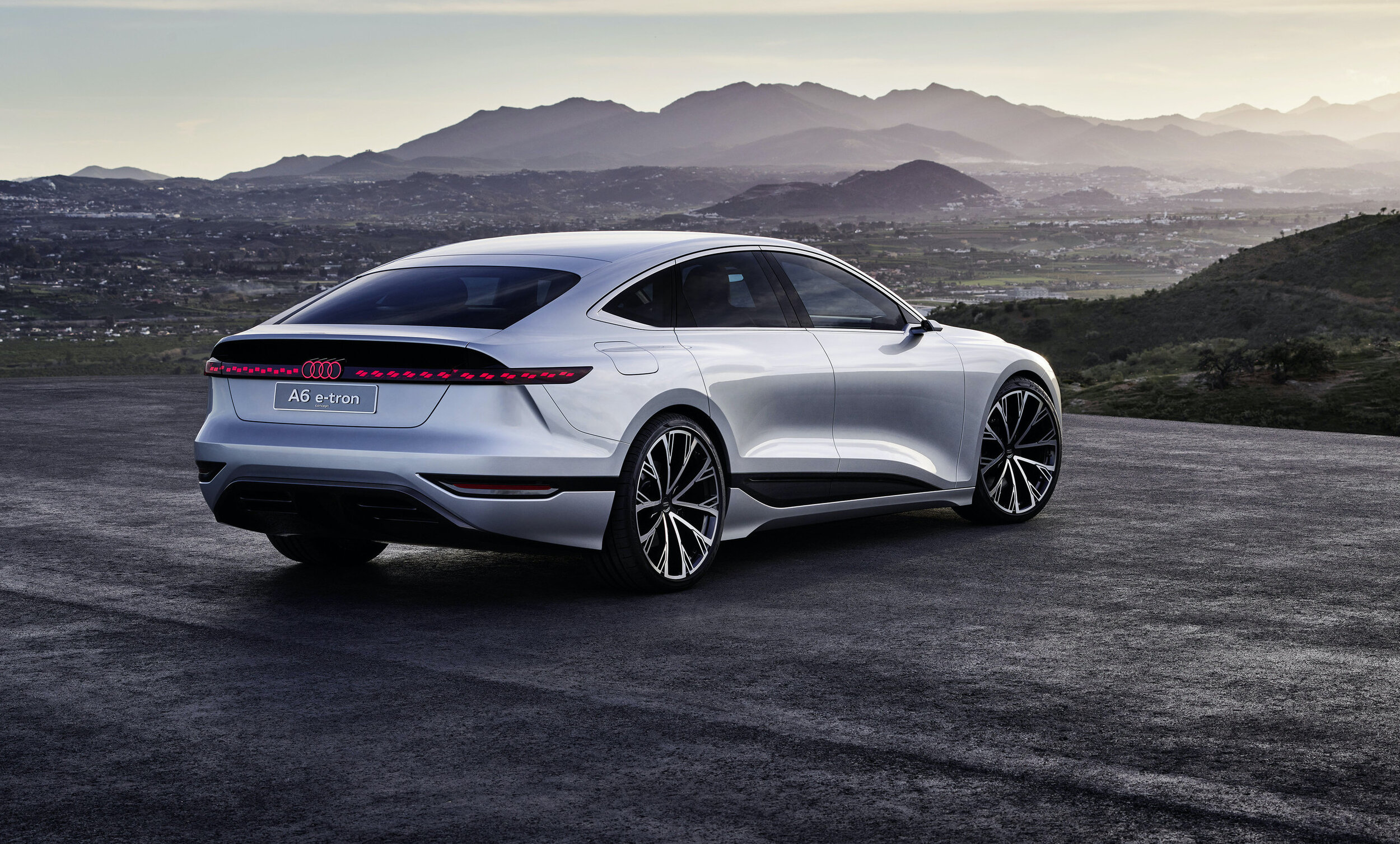
The e-tron A6 styling study revealed by the brand doesn’t just serve to preview how the next generation of large Audis will look – which, in this instance, is sedan-ish but with a dollop of influence from the A7 Sportback. It is also a debut for a new electric platform designed specifically for bigger models.

In respect to exterior dimension, the A6 e-tron is very similar in size to the current Audi A6 and A7, though the concept's wheelbase is longer, and the overhangs shorter. Audi has dropped fat hints that these proportions will make it through to production.

Audi has only released images of the exterior. The display car rides on five-spoke, 22-inch alloy wheels, has cameras instead of door mirrors and no visible door handles. Dig the flared arches and an interesting black design element that breaks up the 'Heliosilver' paint and stylishly links in with another black section in the rear bumper.

A212291_medium (1).jpg

Viewed from the rear, a significant diffuser can also be seen. It's part of a suite of aerodynamic measures to reduce drag. Audi quotes a coefficient of just 0.22.

The A6 e-tron's head lights use Digital Matrix LED technology and can even project a high-resolution display onto a wall or screen in front of the car. To demonstrate this, Audi has created a smartphone game that can be played on the projected screen. The lights can also maximise illumination of the road ahead without blinding other road users, and project various symbols and patterns to enhance safety.

The tail lights use digital OLED tech, allowing customisable light signatures and start-up light shows in 3D. Indicators are also high-res LED projectors, with the ability to project signals onto the road. Projectors are integrated into each side sill, to display welcome messages.

The most important aspect of the A6 e-tron is one you can’t see. The car is on the new PPE - Premium Platform Electric – underpinning which designed for large Audi and Porsche electric cars. Production models using PPE roll out in late 2022. It’s thought the first will be the Audi Q6 e-tron SUV, followed by an A6 e-tron in 2023.

A212311_medium.jpg

The concept's battery pack is said to hold about 100kWh of energy, fuelling an electric motor on each axle. Maximum outputs are quoted as 350kW and 800Nm of torque.

Audi says that the most powerful versions of the A6 e-tron will do 0-100kmh in less than four seconds, while the most efficient models, using just one rear-mounted electric motor, should achieve more than 700 kilometres on a charge.

Like the e-tron GT and RS, the PPE cars will use an 800-volt architecture, allowing rapid charging at up to 270kW.

Thought is that other PPE cars in the Audi pipeline will include an A4 e-tron, a Q5 e-tron, a Q7/Q8 e-tron and perhaps an electric A8 e-tron.

A212331_medium.jpg


Toyota's full electric a 2022 release here

Shanghai concept is a pointer to a breakthrough model set to sell alongside a swathe of hybrids.

02-ZEVConcpt-FR-Globalhr.jpg

A PRODUCTION variant of a fully electric Toyota concept revealed in China today will release in New Zealand next year, with sister models to follow.

The BZ4X styling study Toyota Japan has revealed at the Shanghai Motor Show has been described as being a “hero” of a global electrification future that will deliver 70 models globally by 2025. 

It’s similar in shape and size to the RAV4 crossover but lower, with a longer wheelbase and sharper styling. From the outside, the concept captures the ethos of bold, futuristic EV looks; the interior … erm, less so. A large touchscreen extends up out of the centre console, which has a rotary shifter placed in the middle and storage underneath.

Shorthand for ‘Beyond Zero’, a catchphrase chosen to highlight the corporate direction, BZ will present as a sub-group of seven fully electric models, with the BZ4X first into production.

Toyota hasn't said anything about battery size or range for this model, the first to use the new e-TNGA electric car platform, which will also underpin product from Subaru, which co-funded and co-engineered the underpinning.

The showroom-ready example is not expected to be much different to the concept, save for perhaps for losing some exotic details. An orthodox steering wheel will likely replace the yoke-style item on the styling study, regardless that Tesla has introduced the latter for its latest version of the Model 3.

TNZ chief executive Neeraj Lala says NZ will take these cars, and he expects them to be well received, though he has also expressed thought it might be some time before these full electrics outsell the hybrid choices it already has here in abundance and will add to.

Comment released today also leaves impression any expectation of the wholly electric fare being priced for mass appeal is probably mis-judged.

Toyota_bZ4X_Concept_002.jpg

With today’s announcements, Toyota has taken to label everything it produces that has a battery-involved impetus as being  an ‘electrification vehicle.’

 This self-concocted descriptive seems to have been created to leave impression its hybrids are of similar calibre as electric cars, though by definition they are not, as an express qualification for electric status vis an ability to enable a mains-replenishment ability.

However, the new label certainly enforces that Japan’s No.1 is the world’s biggest player in electric-assisted drivetrain production, with more hybrids, plug-in hybrids, electric vehicles and fuel cell vehicles to come. Interestingly, according to Toyota US (but not mentioned by Toyota NZ) this reach will include the pickup truck line-up in the near future, including hybrid and BEV powertrains. Does Hilux qualify as a ‘pickup’, or do they mean the larger Tundra?

Lala says Beyond Zero means a variety of options for Kiwis.  

“The Beyond Zero (BZ) range will be introduced in New Zealand to strengthen our range of electrified vehicles and achieve affordable mobility for all.”

05-ZEVConcept-meter-Globalhr.jpg

“As a company committed to mobility for all, our priority is to offer affordable vehicles that meet the needs of all New Zealanders. This means a range of powertrain options to suit consumer needs,” says Lala.  
 
“Like hybrid technology 30 years ago, adoption and affordability will take some time. This will allow time for infrastructure, technical training and servicing to prepare itself for accelerated demand and lower cost alternatives.”
 
“BEVs will eventually become a sustainable means of mobility. However, it will take time as the energy mix, battery technology and infrastructure are still being developed,” Lala says.

Currently the cheapest full electric car offered in NZ is an MG, at just under $50,000. Expectation that Toyota’s status as the world’s most largest car producer will allow it to significantly reduce that premium seems overly optimistic, however.

Says Lala in respect to this: “As there is significant research and development cost recovery on new technology, this first Toyota BEV for New Zealand will not be an affordable BEV for all Kiwi households and businesses. 

Toyota_bZ4X_Concept_006.jpg

“Our focus will also be on how we can transition BZ4X into the used vehicle market as quickly as possible so all Kiwis can become familiar and enjoy this new technology in an affordable manner. This is why we see affordable hybrids and plug-in hybrids as transitional technology and a bridge to a sustainable, low emissions future.

“Adding our first battery electric vehicle (BEV) to our range, continues our journey of offering powertrain choices for customers while helping New Zealand realise a zero-carbon future.”
 
“Toyota has been vocal in our support of the New Zealand Government as we transition to a low emissions economy and we’re excited at the prospect of bringing Toyota’s first pure battery electric car to New Zealand next year,” Lala says.
 
“Currently Toyota New Zealand’s average CO2 emissions sit at 165.9g/km which is almost 7 grams lower than the industry average. We are focused on introducing balanced, lower emission products to our range.”


xDrive models’ step-off almost electric

The all-paw M3 and M4 here toward the end of 2021 are hot on the tail of a certain Tesla.

P90416612_highRes.jpg

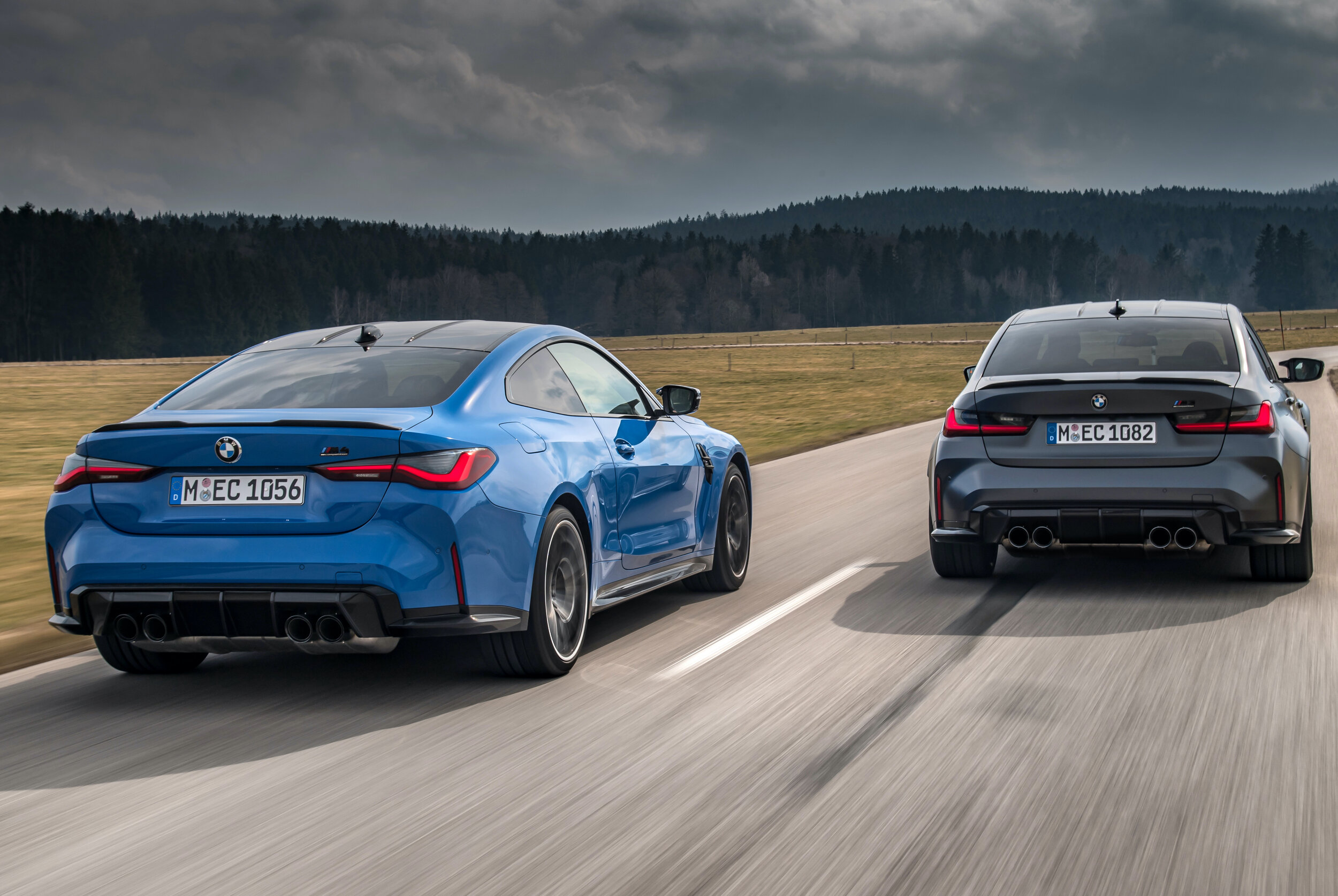
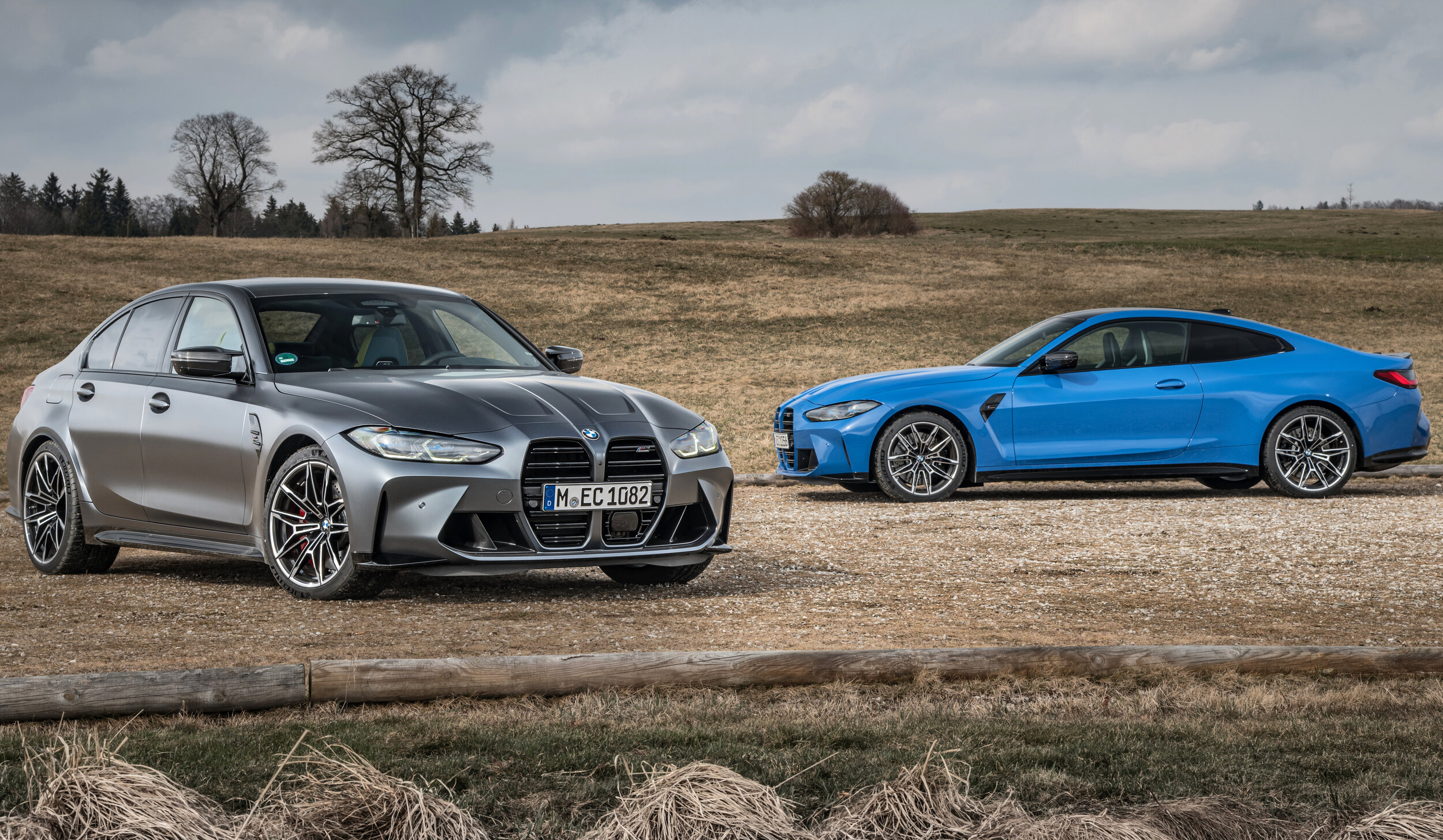
SENDING traction to all four wheels has unsurprisingly added additional spring to the step-off for BMW’s M3 and M4.

In announcing the four-wheel-drive editions are now in production, with New Zealand availability set to commence in the first quarter of this year, BMW has also signalled that both are quicker accomplishing the 0-100kmh than the rear-drive editions already flying the flag here.

The M xDrive models achieve the same 375kW/650Nm 3.0-litre twin-turbocharged 'S58' inline-six as the rear-drive Competition variants specified for New Zealand and also run a common eight-speed torque-converter automatic transmission.

Routing all the punch to all four corners, through a downsized version of the switchable M xDrive all-wheel-drive system fitted to the larger M5 super sedan, lends a four tenths’ advantage in the sprint time.

Commentators note this leaves the cars matching the next-generation Mercedes-AMG C63’s rumoured 3.5-second sprint time, and is now just two-tenths off on the all-electric Tesla Model Three Performance.

Badging aside, the M xDrive models are identical in visual appearance to the models here now and will likely deliver in identical specification, though this has yet to be confirmed.

P90416615_highRes.jpg

The price is also up in the air, though obviously there will be a premium; if the pricing for the United Kingdom is an accurate barometer, the xDrive cars might cost around $6000 more than the rear-drives, which provision at $168,990 as an M3 and $172,990 as an M4.

These are the first of their family to achiev xDrive and engineering it in has demanded significant changes, more than might seem immediately apparent. For instance, these editions get a different front suspension setup, with unique geometry and even a different steering ratio. Along with that, the engine oil system has been upgraded.

At its heart is an electronically controlled multi-plate clutch to divide the engine output between the front and rear wheels. The transfer case gets a bespoke control unit and 'integrated wheel slip limitation' that is designed to be effective without requiring intervention of the stability control system.

BMW says that the M3/M4 will be rear-drive in normal conditions, though the split is fully variable. At the back, the all-wheel-drive models retain the Active M Differential of the rear-drive cars to control the torque split between the back wheels.

As standard, the system is in 4WD mode. The driver can switch to 4WD Sport for even more rear bias and, if the DSC (Dynamic Stability Control) system is switched off completely, they can choose the 2WD setting for pure rear-wheel drive. The variable traction control system, adjustable through 10 levels, can then be used, and the M Drift Analyser is fitted as standard.

The addition of all-wheel drive traction adds around 50kg to the mid-sizers' kerb weight, edging them closer to the 1800kg mark.

As per the rear-drive cars, the xDrive models have 19-inch front and 20-inch rear alloy wheels as standard, wrapped in 275/35 front and 285/30 rear performance tyres – with Michelin track-focused tyres available as an option.

P90416610_highRes.jpg


Benz electric flagship here by Christmas

Everything about the EQS seems likely to wow

Der_neue_EQS.jpeg

 THE most extravagant electric vehicle Mercedes has yet to put into production will start to show in New Zealand before year end.

While volume expectations for the EQS, effectively a battery-compelled S-Class limo – but sitting on a new electric platform and with obviously more dramatic styling - and touted as the first of its kind in the large luxury sedan category, are not being discussed, the national distributor has expressed confidence about this five-seater with a range of up to 770 kilometres making a solid showing from the get go.

“Currently, first deliveries are expected in December and pricing will be available closer to that time,” a brand spokesman.

As for how it will do?

“The EQ product in general is gaining momentum in New Zealand.

“Of course we had EQC winning (New Zealand) Car of the Year, then a lot of recent interest in EQA and with the reveal of the EQS we expect further positive interest in that vehicle and Mercedes-EQ in general.

“That’s not mentioning the continuously increasing customer interest in our plug-in hybrid portfolio as well.”

Prime Minister Jacinda Ardern having an Audi e-Tron 55 sports utility as a primary Government transport choice when she’s at home in Auckland has sent a powerful international message about Government entertaining an increasingly hands-on interest in electric motoring.

Notwithstanding that the current ministerial limo fleet runs diesel BMW 7-

Series, is Mercedes Benz interested in pushing the EQS as a potential replacement in that duty?

Says the spokesman: “As for the government vehicle question, of course we will explore any opportunities that may come up but there is no specific strategy to announce at this stage. “

Der_neue_EQS (1).jpeg

Benz’s international unveiling has given detail of two initial launch models, badged EQS 450+ and EQS 580 4Matic, each get a massive 107.8kWh (net) battery pack, allowing for a WLTP range of up to 770 kilometres. An onboard charger allows AC charging up to 11kW (or 22kW as an option) and DC charging up to 200kW.

The EQS 450+ has an electric motor on the rear axle only, making up to 245kW and 568Nm of torque, for a 0-100kmh time of 6.2 seconds and a 210kmh top speed.

Adding another motor to the front axle gives the EQS 580 4Matic four-wheel drive and up to 385kW and 855Nm. That drops the benchmark acceleration time to just 4.3 seconds. Top speed is the same as for the EQS 450+.

A Torque Shift torque-vectoring system helps spread power across the front and rear axles as needed, up to 10,000 times per minute – though its capabilities won't be fully realised until the an AMG edition, with 560kW. This will be revealed before year-end but nt touchdown timing for NZ has been shared yet.

Mercedes intends for EQS to be seen as a technology leader as much as it is an electric one, so it's loaded with the latest luxury gadgets. Even so, that’s just a starter … lots of the high-end equipment is likely to be optional and there's plenty of talk in the 70 page press release of over-the-air upgrades that buyers can install after they've taken delivery.

Der_neue_EQS (7).jpeg

All versions come with a modest amount of rear-axle steering, but it's possible to unlock a system with up to 10 degrees of lock, which dramatically reduces the turning circle of the EQS, making it easier to manoeuvre and park. Not that you'll need to worry about such things if you have the fully autonomous parking technology enabled.

Before you get in, you can have the air cleaned as well as the cabin set to your desired temperature. The doors can self-open and close at the touch of a button, or even automatically as you approach the car with the key on your person. As the driver, you hop in and, on pressing the brake pedal, the door closes behind you.

The top instrument display is the MBUX Hyperscreen, a slick-looking one-piece digital dashboard. It actually comprises three individual screens. The front-seat passenger gets their own display to interact with. In the interests of safety, a camera keeps an eye on the driver and, if it detects that their attention is focused on the passenger's screen, it is dimmed automatically.

As standard, the EQS is fitted with a 12.3-inch driver display and a 12.8-inch central touchscreen in portrait orientation, as on the current Mercedes S-Class.

The cabin isn’t just about technology. It appears to be luxurious, too. Mercedes-EQ offers loads of personalisation for the interior and shows incredible attention to detail.

EQS sits between the regular and long-wheelbase versions of the S-Class in terms of length. The elongated shape is designed to minimise drag as the car moves through the air, with remarkable effect. Mercedes-EQ claims that the EQS is the 'most aerodynamic production car in the world' thanks to a coefficient of drag as low as 0.2.

The appearance of the EQS can vary considerably, depending on which boxes you tick on the order form. There are standard, AMG Line and Electric Art exterior styles to choose from, and a Night Package to add to those. Digital Light headlight technology is worth a mention. It uses 1.3 million micro-mirrors and video projector tech for a wide variety of safety functions, and to welcome the driver with a snazzy light show.


Q4 e-Tron unveiled but not close

NZ not prioritised for Audi’s tasty medium crossover.

A211730_medium (1).jpg

INTRODUCTION here of the Audi Q4 e-Tron unveiled overnight has been blown apart by the same issue that has delayed sister cars – maker determination other countries are initially more deserving.

Forget the early 2022 timeframe touted previously by Audi New Zealand. Local boss Dean Sheed says any hope of that occurring has gone. At very best the new crossover model, set to hit Europe’s roads in June, ‘might’ be available for launch here at the end of next year, though it could yet have to be a 2023 sighting.

“It definitely won’t be early 2022 … it will be late 2022. At the earliest. Potentially even flipping it to early 2023 is a possibility. We are down the pecking order and the challenge is securing volume.”

It’s a story that also already been told for two close cousins, the Volkswagen ID4 and Skoda Enyaq and seems increasingly likely to be aired for two others indicated for eventual NZ availability, the next-generation Porsche Macan and the SEAT/Cupra Born. 

A211704_medium.jpg
A211724_medium.jpg

In addition to being Audi’s seventh electric vehicle the Q4 it is also the first on the MEB platform, the structure upon which all key VW Group electric vehicles set for NZ introduction are based.

Basically, when it comes to the release of MEB models, VW Group is calling the shots.

 New Zealand does not have priority – as much as anything else, Sheed believes, it’s because VW Group has decided our national policies are not up to the pace of other countries pushing electric car adoption.

Audi NZ has been promoting the early 2022 release schedule for Q4 for some time and some months ago began to back that up with a viral warm-up campaign, now seemingly shelved.

With three powertrain options, offering up to 520km of range, and in sports utility wagon and more rakish, also five-door, Sportback body stylings, the Q4 has long been touted as being the model that would achieve as a best-seller for Audi.

The new car will sit below the e-tron in wagon and Sportback styles, the impending S editions of those, plus the more performance-oriented e-tron GT, which shares an underpinning with the Porsche Taycan and includes an RS edition.

Sheed says it’s a disappointment not achieving Q4 to the original timeframe because a lot of groundwork for its release has been laid by his brand, but fact is that VW is giving preference to countries that have a stronger Green attitude and are doing more to encourage electric vehicles.

“A lot of the volume is going to the countries with legislation and requirements for CO2 (reduction). Our country doesn’t have those yet so we are down the pecking order.

“With these (MEB) cars, demand is in excess of supply. So it comes down to rationing … VW Group has to prioritise and those countries with very strong Governmental pressure typically get the product first.

“So it’s Europe first and then they will go outside that to other countries.

“Are we (Audi NZ) ready for it? Absolutely are. However, when it comes down to prioritisation, the Government and the country does not have a sound pathway yet.”

A212073_medium.jpg

While MEB-based cars are particularly affected, he believes this issue will also disrupt availability of many other EVs and potentially also plug-in hybrids.

However, the e-Tron GT and RS cars that will go on sale in June are not affected, being on an Audi (and Porsche)-specific platform. Also, product planning for those was signed off months ago the factory has begun production of NZ models.

The Q4 family is headed by a 50 Quattro, offering 220kW and 460Nm through dual electric motors, sending power to all four wheels for a 0-100kmh time of 6.2 seconds. It also involves an entry-level 125kW/310Nm Q4 E-Tron 35 and mid-spec 150kW/310Nm Q4 E-Tron 40. These use a single electric motor to power the rear wheels, for 0-100kmh times of between 9.0 and 8.5 seconds depending on the variant chosen. 

Audi quotes 341km of range from the E-Tron 35's 52kWh battery on the WLTP cycle. The E-Tron 40 and 50 Quattro have a 77kWh battery pack offering 520km and 488km of range respectively.

The E-Tron 35 can support fast charging up to 100kW, with 125kW charging available to the 40 and 50 Quattro models. The company says in ideal conditions, the E-Tron 40 can gain 130km of range in around 10 minutes of charging. 

A211729_medium.jpg
A211705_medium.jpg

The SUV body is 4590mm long, 1865mm wide, and 1613mm tall. Boot space is 520 litres, or 1490 litres with second-row seats folded down. The SUV shape has a drag coefficient of 0.28, whereas the Sportback variant has a 0.26 Cd signature.

The car runs disc front and drum rear brakes; the latter is to enable a regeneration cycle from the rear electric motor under braking, meaning less mechanical braking force is required.

The provisions to expected luxury level. It rides on 20 or 21 inch wheels and provisions a 10.1-inch infotainment screen with voice control, with an 11.6-inch screen as an option. The driver gets a 10.25-inch digital instrument cluster with an augmented-reality head-up display.

Buyers can also choose from nine equipment packages, each offering different trims, accents, stitching, headlining, and door sill combinations.

Those who opt for the sportier S Line interior can choose between standard natural/synthetic combination leather, premium nappa leather, Dinamica artificial suede, and Puls artificial leather – the latter two which are created from recycled plastics.

Haptic-touch buttons feature on the steering wheel, while seat heating, ventilation, and massage function can figure.


Updated JCW Mini all about looking faster

A mid-life update for the most fiery car in the family turns up the styling temperature.

P90418140_highRes.jpg

NOTHING changes when measured against the stopwatch – where it cuts more of a dash is in the look.

 So it goes for the refreshed edition of Mini’s fastest model.

Unveiled overnight and set to release in New Zealand in the third quarter of this year, the latest John Cooper Works street racer has the same power and performance figures as its predecessor.

 Don’t consider that to be a disappointment. Underneath the bonnet sits a 2.0-litre turbocharged four-cylinder engine producing a very respectable 170kW and 320Nm, driving the front wheels via either a six-speed manual transmission or an eight-speed torque-converter auto. It’ll smack out 0-100kmh in 6.3 seconds in manual, 6.1 in auto. Quick enough for a hot hatch, right?

As much as the refresh stands as being an easy ride for the BMW-owned make’s engine tuners, it’s certainly kept the styling department plenty busy.

There are numerous upgrades to the look. Most particularly, the entire front fascia has been completely redesigned. 

There’s an imposing matt black grille with a striking hexagonal design, contrasted by a new red stripe along its centre, signifying that it is no regular Mini. 

Tough-looking, body-coloured air ducts sit below the grille on either side of the number plate mounting point, feeding cool air into the braking system. Another set of angular air openings is there to cool the powertrain. 

At the rear, there’s a new, super-aggressive diffuser finished in a shade of matte black that blends into the finishing edge of the flared rear wheel arches. 

Sitting square in the middle of this novel diffuser is a set of 85-millimetre stainless steel sports tailpipes with a contrasting chrome finish. 

To help slow the hot hatch down, Mini has redesigned the Bremdo-provisioned braking system. The four-piston front brake calipers are also painted red and adorned with the John Cooper Works logo. 

The 2021 model also achieves new lightweight John Cooper Works alloy wheels, which can be had in either a 17 or 18-inch sizing. 

A bespoke chassis tune for the suspension comes as standard for the JCW, and as an optional extra, buyers can tick Mini’s Adaptive Suspension box.

These electronically controlled dampers make adjustments to suit the road conditions in just 50-100 milliseconds, for a more dynamic ride. There will also be a number of different modes that can be selected depending on the driver’s mood, which includes ‘Lounge’ and ‘Sport’ mode. In other works, hit the switch to achieve various degrees of joltiness. But, still, it’s not being promoted as a limo, right?

Inside, the updated hatch comes with a host of new features including a redesigned central instrument cluster and an 8.8-inch touchscreen display.

The Mini’s infotainment software has also been updated, benefiting from a revised display that makes interfacing with the audio, navigation, communication and app systems more intuitive.  

The JCW also comes with a host of safety features as standard that include adaptive cruise control with stop and go functionality and parking assist.


Staria confirmed for NZ release

Hyundai here says it will take the big lugger, but offers few other details

csm_hyundai-staria-mpv-debuts-04-1610_f78f67909e.jpg

 TWO, five and eight-seat configurations will apply in Kiwi market versions of the Hyundai Staria, a van whose styling is definitely out of the box.

 Aside from provisioning the seat counts – which suggest a pure commercial/speed camera version, plus two that will potentially set to act in family-sized people carrier and potentially a luxury minivan mode – Hyundai New Zealand is giving little away in respect to the model.

It says specifications for this market will be released closer launch, though the date for that is also undetermined. The best the Auckland-based distributor can offer is that arrival is due in “the second half of this year.”

Staria’s bold styling has attracted a lot of attention but so has its sheer size; the full length is 5.2 metres and it has a 3.2m wheelbase.

csm_hyundai-staria-mpv-debuts-07-1610_30a2ddb5ef.jpg

The chair configurations for this market seem to be different than those cited by Hyundai headquarters. They have also spoken of a seven-seater in a plush Premium layout, above, which offers reclining armchairs in the second and third row. They also configure an 11-seater. Hyundai NZ says that one is not on their wish list.

Insofar as powertrains go, it gets the 2.2-litre four-cylinder turbodiesel and 3.5-litre V6 petrol that serve in the super-sized Palisade sports utility, these respectively outputting 129kW and 431Nm and 199kW and 331Nm. 

There’s no suggestion that it is in line for the hybrid drivetrains that Hyundai has also developed, for Santa Fe.

csm_hyundai-staria-mpv-debuts-06-1610_50373b37d4.jpg


M Town: Big bang event also a last blast?

Is this extravagant ultimate power play at a celebrated NZ racing circuit a sign-off for BMW’s mightiest machines in fossil-fuelled formats?

IMG_8966.JPG

 IMPRESSION a just-started M car celebration laid on by BMW here at the moment could be a final hurrah for these hot rods in fully fossil-fuelled form is being downplayed.

 As much as it agrees that electric seems to be set to be an M ingredient, the local distributor says the ‘when’ and ‘in what’ aspects are still be sorted and assures that product it offers presently is definitely sticking around for a while yet.

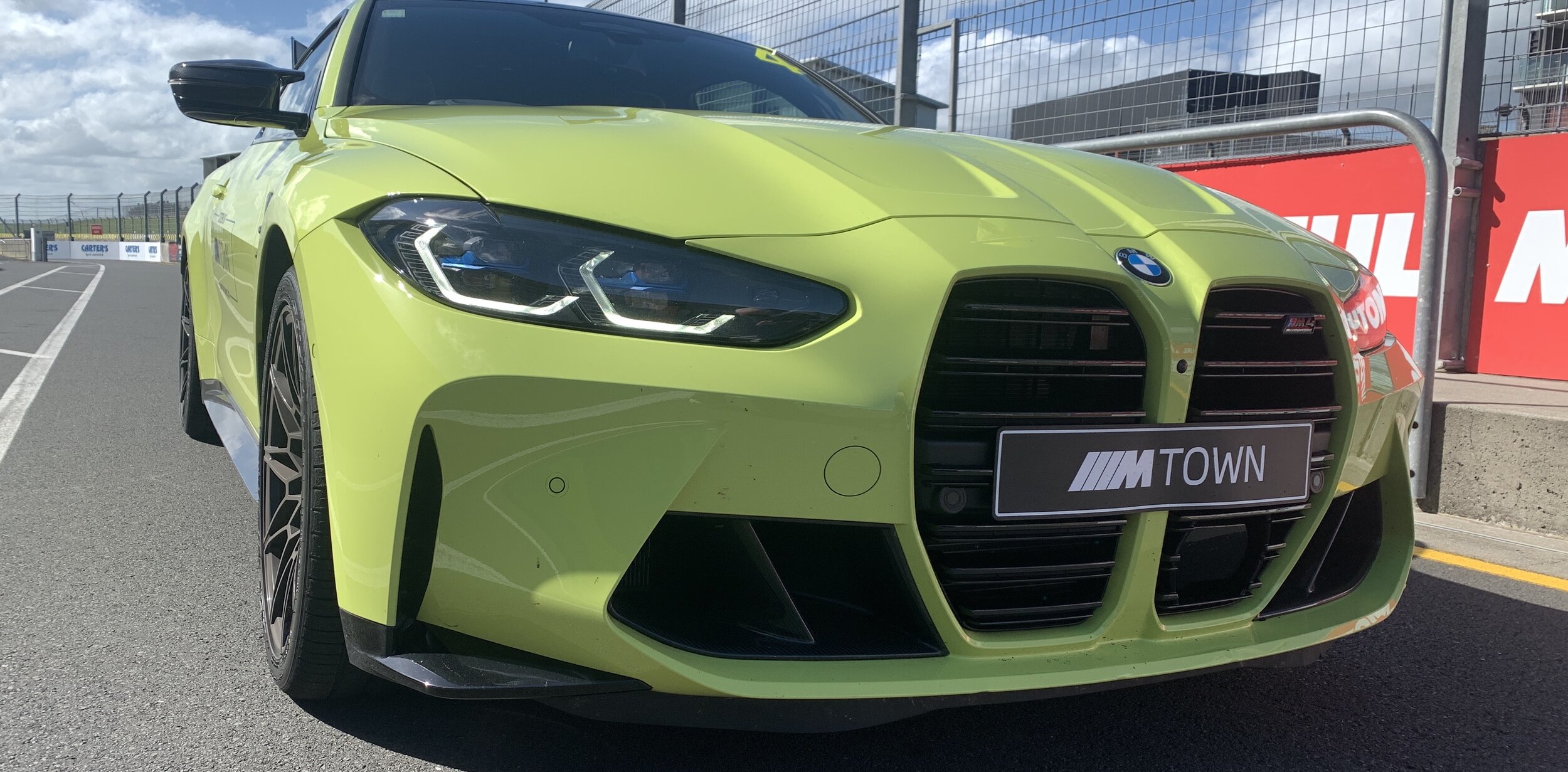
So, if customers attending the big M Town event currently on at Hampton Downs racing circuit to drive latest hard-core petrol-addicted fare - the new Competition editions of the M3 and M4 plus the recently-added M5 and M8 – plus an assortment of lower-tier M Performance models, are to raise this subject?

BMW New Zealand product and pricing manager Tim Michaelson offers several thoughts.

First, as much as head office has indicated that an M battery car seems likely, we can keep calm and carry on in respect to the ‘old school’ hot rods here now - they are not set to be short-stay residents. 

Also, he says, little else can be said because it’s not company policy to speak about future product. 

Finally, however the cards are played “I think M cars are always going to excite and exhilarate.”

Still, a path seems to be set. As much as sightings overseas this week of an even more radical M4, in ‘ready to race’ CS Clubsport trim, would seem to cement thought that the performance division is still developing more traditional product, it also has committed to going battery-powered as well.

IMG_8960.JPG

M Division head Markus Flasch said in January his mob will have an “electrically powered performance automobile for the first time” later in 2021.

That would seem to time with the schedule for M Town. Assuming this high-production, big budget event first tried in 2019, with snow driving, continues to stage every second year, then the next will be in 2022 – the 50th anniversary of the performance badge.

So what chance we will see some plug-in-then-play cars next time around?

Michaelson’s comment about that is an acknowledgement that, yes, BMW has shown off a concept, the Vision M Next of 2019, which has been interpreted as a replacement for the petrol-electric i8 coupe.

Also, “globally there has been communication about future and concept cars. They have definitely signalled they are working on that.

“But I cannot comment on anything concrete at this point of time.

“They have not communicated anything officially about what is coming next nor have they said that these will be the last, if at all, combustion engines. There is definitely no communication around that at all.

“Electric is where things are headed and definitely BMW will be involved in that. I think M cars will always continue to excite people.

IMG_8985.JPG

“(But) I don’t think anyone attending this event needs to worry about these being the last of the petrol M cars, in the short term.”

There’s talk Vision M Next won’t make production, due to cost, and that instead the first electric M cars will be based on two fully-electric products confirmed for NZ.

These are the iX arriving in a few months’ time and the i4 coupe set to release next year. The first is a SUV similar in size to the X5 and the latter is a low-slung five-door car, in the style that BMW calls a Grand Coupe, so is similar in look and dimension to the current M3.

Flasch is promising these cars will present “a completely new manifestation of the distinctive M feeling”.

For his part, Michaelson says he can sense a generally positive vibe from consumers in respect to BMW’s electric car planning.

As big as an oil to ohms transition will be, he also doesn’t imagine many, if any, M addicts coming through this event might relate thought that, if the petrol crusade ends here and now, today’s fare will be the last cars they will buy.

Still, if that was the case, what a way to see the oil era out: The $168,990 M3 sedan and $172,990 M4 two-door coupe sister ships, running a 375kW/650Nm turbocharged 3.0-litre in-line six cylinder, and the $234,500 M5 sedan and $342,900 M8 five-door Grand Coupe, sharing a turbocharged V8 but in differing tune – so 460kW and 750Nm in the first, 450kW and 750Nm in the other – are absolute standouts in their categories; huge shove, belligerent soundtracks and pin-sharp dynamics are common traits.

m town (24 of 123).jpg

Useful for this occasion but maybe no other, is a new M3/M4 feature called an M Drift Analyser. This will give a driver a star rating out of five for how well they’ve achieved some sideways sliding. Just a shame no-one could work out how to actuate it to judge the skills of the professional drivers whose day-ending hot laps were the first occasion to experience the cars with traction controls disabled.

 The track cars also had the optional M Carbon bucket seats, which look like the sort you’ll find in serious racing cars and come as part of a $9000-plus carbon pack. Worth it? They’re hard to get out of because of the curious raised insert bissecting the top part of the base. Officially, it’s designed to keep your legs in place under high corner loads. Don’t be surprised, though, if you hear sniggering remarks. As British motoring mag Autocar says, it runs risk of being miscontrued as “some kind of carbonfibre penis tray.” Don’t risk the embarrassment.

But yes, they’re furiously fast cars, though that’s not to say anything from the electric corner couldn’t be as captivating (except, of course, in respect to the soundtrack).

At the time of the i4’s 2020 launch, BMW said its 390kW powertrain ranked it “alongside a current BMW V8”. The i4 is capable of 0-100kmh in 4.0 seconds – so 0.1s slower than the M3 and M4, 0.7s off the M5 and 0.8s behind the M8. With a range of just over 595km though, it might go further on a tank than all of these and, of course, will be much cheaper to refill.

Michaelson says Hampton Downs is a great fit for M Town’s theme of being ‘the only place in the world where too much is just right.’

m town (91 of 123).jpg

Getting to try the pukka M cars on the national circuit – at up to 160kmh - reminds that “M cars are born for the track. This is where people can enjoy these cars.”

Other challenges for media, influencers and brand ambassadors yesterday included putting a selection of lower tier M Performance product through handling and sprint exercises, taking the SUVs and crossovers around a tame off-road course and coming up with nice things to say about the M3 and M4’s latest facial look.

The M Town investment is worth it because this is a powerful letter in New Zealand. Our uptake of M or M Performance models is the world’s highest in percentile terms – one in every four BMWs sold last year were in either of those configurations.

M is also big for BMW internationally; 2020 was a record year of sales, Flasch reported recently.

Meantime, there’s no local comment yet about the M4 CS, which is still undergoing trials but should be in production next year.

m town (1 of 123).jpg

Sightings this week of an engineering mule running on European roads reveal a deeper front splitter, reprofiled side skirts, a more aggressive rear diffuser and a larger ducktail spoiler. As with the M5 CS, it is expected the coupe’s bonnet will be swapped for a carbon-fibre-reinforced plastic replacement.

But it will be far more than a visual shake-up. The website for Britain’s Auto Express motoring magazine says engineers will undertake work on the M4’s chassis, too, fitting lowered suspension and new dampers. It also appears to have drilled brakes with larger calipers than on the M4. 

Alongside changes to the suspension and braking system, BMW will aim to make the CS version lighter than the baseline M4 model with a number of revisions matching the 70kg weight reduction seen in the M5 CS. Depending on the scale of the weight-reduction, Auto Express believes, BMW could even look to reintroduce the CSL badge - it applied trademarks for both M4 CS and M4 CSL back in 2017. 

Inside, the M4 CS should get a similarly race-inspired makeover with an Alcantara steering wheel, carbon fibre bucket seats and some new seat belts which have been branded with red and blue stripes - the signature colours of BMW’s M Division.

As for power? The pundits reckon BMW is all but certain to eke out a little more from the ‘D58’ straight six, perhaps as much as 395kW.

m town (100 of 123).jpg


EQA releasing in June, for $85,500

 Mercedes’ baby electric aiming for models popular with Kiwis

20C0579_012.jpg

MERCEDES’ second all-electric car, the EQA 250 compact crossover, will launch in New Zealand in June for $85,500 – a price comparable with the petrol model it derives as well as three key established sub-$100,000 electrics: The Hyundai Kona EV, Kia Niro and Tesla Model 3.

Benz says the smaller sister model to its $142,000 EQC model, which is the current holder of the New Zealand Car of the Year, is expected to create a new entry point to Mercedes-Benz electric vehicle ownership here, “as the latest addition to the popular and increasingly diverse compact passenger vehicle family.” 

It says the model, which apes the EQC in being on a platform shared with a fossil-fuelled car – in this instance, the GLA (whereas EQC is off the GLC underpinning) - should fill a particularly sweet spot.

Globally, SUVs account for one in every three Mercedes-Benz passenger vehicles sold, compact models comprise one-in-four. It also notes that customer interest in the Mercedes-Benz EQ brand and its expanding portfolio of all-electric and mild hybrid models is at an all-time high around the world.

With a driving range of up to 480km, as measured under Australian Design Rules, the EQA 250 will  adequately cover not just the daily commute for most customers, but adds the flexibility to plan extra-urban road trips and weekends away, the brand suggests.

The EQA 250 can be recharged at home via a Mercedes-Benz wallbox or standard 240-volt wall plug, while the growing network of rapid and ultra-rapid chargers adds the option of fast top-ups on the go.

The EQA 250 is powered by an asynchronous electric motor at the front axle with a rated output of 140kW and 375Nm, via a single-speed spur gear set. The transmission ratio and gear wheels have been configured for the requirements of the front-wheel drive system.

Beneath the floor as part of the integral vehicle structure is a ‘double-decker’ 420-volt lithium-ion battery with five modules and 200 cells, creating usable energy content of 66.5 kWh and combined electrical consumption of 16.2 kWh per 100km. The battery is part of an intelligent thermal management system, which can be cooled or heated as required via a coolant-fed plate underneath the battery, ensuring it can be kept within optimal temperature range for operation and charging.

20C0579_106.jpg

Via the Type 2 CCS plug and supplied charging cables (one for a domestic socket, with an eight metre cable; the other a five metre fixture for public charging stations), the EQA can achieve from 10-80 percent charge on the wallbox in around four hours and 15 minutes (AC connection with at least 11 kW), and from 10-80 percent charge with a rapid charger in 30 minutes (DC connection with a 100kW supply).

The car steps away from the GLA styling in much the same way that the EQC easily differentiates from an GLC.

 Styling signatures include a black panel grille, divided into two by a louvre, highlighting the central star that is a hallmark of the brand. A horizontal fibre-optic strip connects the daytime running lights of the full-LED headlights, ensuring a high level of recognisability both in daylight and at night. Blue colour highlights within the headlight reinforce the signature EQ appearance. The front wing features a badge in high-gloss black with EQA lettering in blue. 

The rear end also includes characteristic EQ features. The LED tail lights merge seamlessly into the tapered LED light strip, underlining the impression of width in the rear view of the EQA.

Additionally, the EQA is distinguished by front and rear aprons in chrome, while the roof rails and waistline and window-line trim strips are polished aluminium.

The EQA has adjustable damping suspension with multi-link rear, a direct steer system and Dynamic Select driving mode selection, and rides on 19-inch AMG 5-twin spoke light-alloy wheels.

20C0579_057 (1).jpg

It achieves the MBUX infotainment system, including voice control (‘Hey Mercedes’) and 10.25-inch centre touchscreen that is the hub for functions such as navigation, media playback, telephony and vehicle functionality. A second 10.25-inch screen forms a customisable digital instrument cluster for the driver.

Other convenience functions include keyless entry and start, a powered tailgate with handsfree access, smartphone integration with Apple CarPlay and Google Android Auto, plus wireless charging for selected mobile devices, heated and electrically adjustable front seats with memory function, automatic climate control including remotely actuated pre-entry climate control, Artico artificial leather upholstery and a leather multi-function sports steering wheel, and a DAB+ digital radio tuner.

The standard safety fitment includes active distance assist cruise control with automatic restart, route-based speed adaptation, and a range of active assists including steering, braking, lane keeping and blind-spot monitoring. Traffic sign assist and a parking package including parking assist and reversing camera, feature. It has nine airbags.

For a limited time, the EQA 250 can be specified with an exclusive Edition 1 package, which costs an additional $7300.

This includes a comprehensive selection of additional features and distinctive interior and exterior cosmetic enhancements. The brand has not said how many Edition 1 cars are designated for NZ.

Key highlights of the package include 20-inch AMG multi-spoke light-alloy wheels finished exclusively in matt copper, an AMG Line exterior trim and further gloss-black details, Neva grey leather and blue upholstery, backlit trim elements, blue stitching for the door panels and centre console, air vents in silver chrome and energy blue, sports multifunction steering wheel with flat bottom and perforated grips, AMG pedals, illuminated door sill panels, Edition 1 floor mats, and a unique vehicle key with copper-coloured surround.


Kodiaq’s fresh look revealed

Mid-life update here toward year-end will ask RS fans to alter their fuel preference.

08_new_skoda_kodiaq-1920x1280.jpg

ASIDE from the obvious styling tweaks, Skoda’s biggest selling vehicle in New Zealand, the Kodiaq, seems also set to have a change of heart in respect to a variant that has a strong Kiwi following.

A mid-life facelift revealed overnight and set to hit NZ by late year delivers modest exterior alterations including new lights, more high-tech options, the possibility to upgrade the cabin further … and a petrol engine for the top-of-the range Kodiaq RS in place of the old diesel.

The present car’s 180kW/500Nm diesel engine has been usurped for a 182kW 2.0 TSI petrol unit. Conjecture – yet to be clarified by Skoda – that this is the same engine as in the Golf GTI, which means it might make only 370Nm of torque. Skoda says the petrol-powered Kodiaq RS is lighter by some 60kg in the nose, which should help its performance and dynamics, despite the torque deficit.

40_new_skoda_kodiaq-1920x1281.jpg

Two diesels and three other petrol powerplants, though surprisingly, none in a hybrid configuration, are also listed for the updated car, though which of these will be sold in NZ has not been shared.

Diesel power is by the new 'Evo' version of the Volkswagen Group's 2.0 TDI four-cylinder engine using twin-dosing to reduce NOx emissions. It's always paired with a seven-speed DSG automatic and can be had in 111kW or 150kW states of tune. The latter can only be had with four-wheel drive.

Europe’s entry-level petrol Kodiaq takes a turbocharged 1.5-litre TSI petrol engine making 112kW, married to a six-speed manual gearbox or DSG auto. The 141kW 2.0-litre TSI alternative gets the DSG transmission and four-wheel drive as standard.

Complementing the more prominent grille up front is a new, higher-up bonnet, redesigned bumpers and slimmer LED headlights. The latter are standard, while the Kodiaq can be fitted with full LED Matrix headlights as an option for the first time.

There are new LED tail lights too, most of the range getting 'dynamic' indicators. A slight restyling of the back bumper has been applied and there's a new gloss black roof spoiler fitted across the range, too. There are also a few new alloy wheel designs to freshen things up, measuring up to 20 inches.

The RS and Sportline looks are broadly similar, the RS getting the same black detailing theme, but has its own design of bumpers, exhaust outlets and 20-inch wheels.

The interior has not undergone much visual change, but there’s more than meets the eye beyond some trim changes and new steering wheels.

04_new_skoda_kodiaq-1920x1280.jpg

Skoda has fitted the new Kodiaq with the Volkswagen Group's latest infotainment software and hardware, with a built-in eSIM and 'over the air' updates. The central touchscreen measures 8.0- or 9.2 inches across the diagonal, there are USB-C ports for device charging and a 10.25-inch digital instrument display (called Virtual Cockpit) can be fitted. The LED ambient lighting has also been extended and the Canton sound system has been upgraded.

Ergonomic seats upholstered in perforated leather are a new option. They can be heated and ventilated, have electrical adjustment and a massage function. 'Eco' seats are offered in the midrange models featuring recycled materials Skoda labels as vegan.

52_new_skoda_kodiaq-1920x1281.jpg

Street Smart for Skoda

Young driver training programme will involve Czech brand’s cars.

kamiq-scoutline-4-1920x1280.jpg


ONCE was Holden, now another brand with strong ‘everyman’ credential has stepped in to keep the faith.


That’s the story with Street Smart, with announcement today that the hands-on driver training programme that is helping young Kiwi drivers to stay safe on New Zealand roads, with ardent support from former V8 Supercars driver, four times Bathurst winner and road safety advocate Greg Murphy, is now backed by Skoda.

The agreement will see Skoda cars being used on the day-long driver training courses that aim to reduce accidents and fatalities, means that the Czech brand now has another Holden holding – it also, of course, has just taken the massive police patrol car contract that the Australian brand fed for years.

Rodney Gillard.jpg

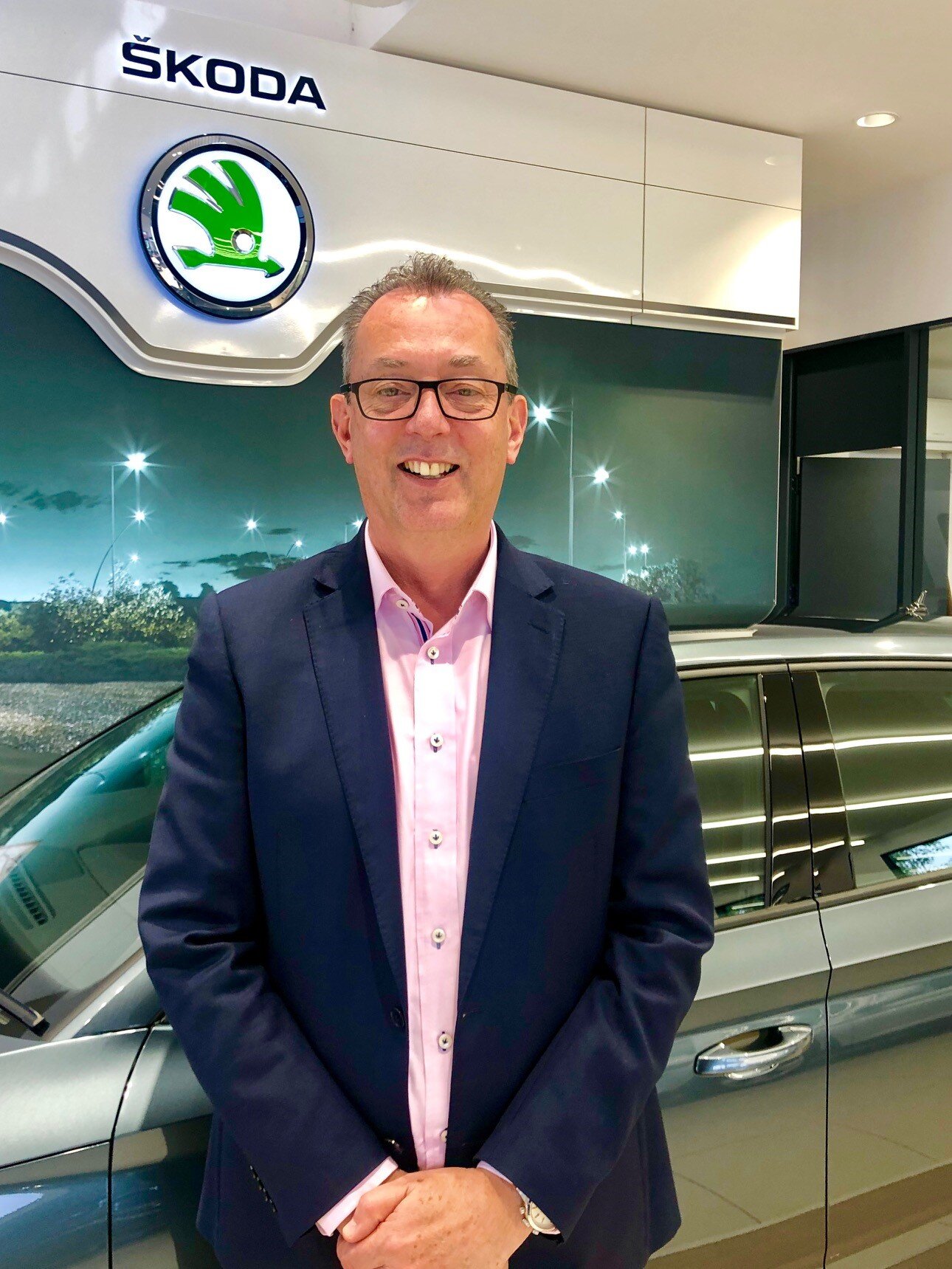
“Road Safety is important to Skoda. We do everything we can to keep our drivers safe by providing advanced safety technologies in our cars, that should both actively prevent accidents and protect occupants in case of an emergency; but we also want to contribute to individual driver safety,” explains Rodney Gillard (pictured), general manager for Skoda New Zealand.

 “That’s why this new partnership with Street Smart is so exciting for us.”

Street Smart is a world-class best practice cognitive based driver programme. Created in 2018 in conjunction with well-known road safety expert Peter Sheppard and tested and fine-tuned by Murphy, who continues as a programme ambassador, the programme has already equipped more than 1300 young drivers with the tools needed to safely drive on our roads, be more aware and prepared.

Skoda will supply vehicles for use within the multiple exercises that participants will be part of.

These are designed to give young drivers a chance to experience the latest technology and vehicle safety innovations that are available and also gain understanding the capability of their own cars, and how different cars respond in different situations, Gillard says

The involvement is immediate. Street Smart’s first events this year are being held in the April school holidays at venues across the country.

C5X blends SUV, station wagon and sedan

Citroen is at its eclectic best with this new flagship

CL21.009.022.jpg

 TIRED of rocking around in a large expensive European sports utility wagon?

Despite those vehicles being very strong sellers, Citroen has determined there are enough people out there desiring to break from the trend.

If you’re in that crowd, say ‘bonjour’ to the C5X, a large prestige model unveiled internationally overnight that will serve as the brand’s new flagship.

 Ostensibly a large high riding car that for those who cannot see themselves in something bulkier and blockier, it delivers an emphasis on comfort and design, yet also stands out as being proudly unconventional in several respects, notably the design.

Part SUV (hence the raised height), part station wagon (so, loads of interior space) and part sedan (the overall elegance) … Citroen is famous for being unconventional from time to time, but this one seems especially eclectic. Little wonder that its maker has voiced expectation of it straddling several segments of the market.

Certain styling cues – most notably the LED headlight design – are inspired by the radical CXperience concept, which was shown in 2016 and with which the C5X also shares its so-called ‘Advanced Comfort’ design ethos.

The model’s ‘X’ suffix? It’s not really an off-road reference. Instead, Citroen says, it’s about the marketing positioning. This is a model at “the crossroad of customers’ needs”.

Production for right-hand drive countries begins next year and there’s no word yet from national brand rights holder AutoDistributors NZ as to whether we will see it. Perhaps not; large Citroens have always struggled here.

Still, you’d have to think styling like this would allow it to stand out from the Q7 and X5 crowd.

 Measuring in at a lengthy 4.8 metres, the Citroen C5 X is noticeably longer than the C5 Aircross, the largest SUV Citroen has offered until now. It starts out on 19-inch wheels that are more slender than usual, for economy reasons.

To compete with SUVs, it maximises practicality. The boot measures in at 545 litres, increasing in volume to 1640 litres when the rear seats are folded forward.

Primarily, thought, it is about passenger needs. Citroen is all about ‘Advanced Comfort’; it’s a credo that expresses in the seat design and the suspension suspension setup.

CL21.009.026.jpg

The car aims to replicate the ‘magic carpet’ driving style of historic Citroen sedans such as the DS and CX. It uses a hydraulic cushion suspension set-up, as per the Aircross, to deliver a ride that aims to “overcome all obstacles, potholes, kerbs, speed bumps and other road connections”.

The supreme version of this evidences in a plug-in hybrid version is equipped as standard with a drive mode selector giving a choice of three suspension settings.

‘Advanced Comfort’ is also prevalent in the cabin. The seats are designed with what Citroen says is a mattress-style approach.

The interior includes some premium materials, including wood inserts across the dashboard fascia and extending into the doors. With no traditional gear selector, the centre console is uncluttered and includes plenty of physical buttons for things like climate control. Sitting atop the dashboard is a large 12-inch touchscreen that provides for a new type of infotainment system with a widget-based display and smartphone connectivity via Bluetooth and USB-C, in addition to wireless charging.

There will be only be petrol engine options – yup, diesel is dead even with the brand family that made it famous in cars. The plug-in hybrid model is expected to be most popular. This has an output of 168kW and an electric driving range of more than 50 kilometres will be available.

Several driver assistance features will add to the car's tech-filled nature, with an extended head-up display, adaptive cruise control with stop-and-go functionality and lane-keep assist.

CL21.009.027.jpg


Ute-like Santa Cruz reveal close

With the big debut days just away, Hyundai muddies the waters about what it has finally created.

Large-45403-2022SantaCruz.jpg

WE’D be comfortable calling it a utility … but Hyundai is insisting its long-awaited Santa Cruz traydeck is something else.

 When pressed on what that makes it, though, they seem lost for words.

So goes the latest news in respect to a model that, after a remarkably long development process – remember, the concept was unveiled in Los Angeles six years ago – now seems close to entering production.

We’ll know a lot more later this week; Hyundai plans on Thursday to release a wealth of detail about its unibodied trucklet, including what markets will take it and when.

Will that include New Zealand? The brand’s distributor has sporadically expressed interest, but never outright said it’s in the queue.

Potentially it might be, given that information out of Hyundai North America, which has taken the lead on this project, suggests the vehicle is based on the latest Tucson, which is now coming into this market. 

Of course, that relationship only becomes meaningful if Santa Cruz is also built in left-hand-drive.

Anyway, ahead of the big reveal, Hyundai has released not only some images but also a video from its design studio in California talking about the new model. 

As you can see, the production has Brad Arnold, the design manager of Hyundai North America, stating it’s “not a truck” but instead is “… a Santa Cruz."

That proposition has gone down interestingly in the US, with leading website Autoblog summing up the situation well by commenting that, if it’s not what it appears to be, what does it become? Suggests the site: “So, um, it's a city? A skateboard brand? A school whose mascot is the banana slug?”

Turns out, Hyundai is striving to enforce this model is especially designed to fit into an environment a lot of outdoorsy utes sold in NZ also find themselves coping with. The city.

"It's meant to thrive in dense urban environments, and the open outdoors," Arnold states.

So it’s soft? Well, maybe. As Autoblog says, it’s based on the Tucson and no-one will confuse that model as being a hard-out off-roader, either.

Large-45404-2022SantaCruz.jpg
Large-45405-2022SantaCruz.jpg
Large-45406-2022SantaCruz.jpg


CX-5 family adds second turbo model

New sports-themed SP25T is a $2800 cheaper alternate to full-out Takami

2021 CX-5 SP25T.jpg

NOW there are two – derivatives of Mazda’s top-selling CX-5 sports utility, that is, with a fiery turbocharged 2.5-litre petrol engine.

One outcome of a mild refresh of the model line is that the 170kW and 420Nm SkyActiv-G 2.5T that has previously restricted to the flagship $61,795 Takami is now also under the bonnet of a new introduction to the family.

At $58,995, the SP25T is effectively a Takami that presents with a bit less plush – so, no leather or sunroof - than the top dog and a slightly sportier ambience, the pair being mechanically identical and both delivering a maker-cited 0-100kmh time of 7.7 seconds.

The engine’s outputs are 30kW/168Nm more than the naturally aspirated 2.5-litre petrol engine offered in mid-spec models.

Mazda NZ says a feature of the SP25T trim is a blackout theme – appropriate, the brand feels, in a country where the national sporting colour is black.

The exterior elements include black metallic alloy wheels and piano black exterior mirrors, while the interior gets black deluxe leatherette/suede seat trim along with a black decoration panel. To set off the black, red stitching has been added to seats and steering wheel.

David Hodge, Mazda NZ managing director, believes the SP25T grade will add to the CX-5s’ solid reputation. 

“With the blackout features it will appeal to New Zealand motorists who want all the great features of the CX-5 but in a sportier package.  It will certainly make a statement on the road.”

Other changes to the CX-5 line up include the addition of privacy glass to GSX models and turbo badging on the SP25T and Takami grades. All models now feature wireless Apple CarPlay as well as Android Auto, though via USB.   

One revision that has appeared overseas will not get here until year-end. That’s the adoption, in high-end models, of a 10.5 inch Mazda Connect infotainment display. For the interim, the upgrade cars will maintain the previous line’s 8.0-inch interface.

The enhanced screen has been on US-market CX-5 models since last August and has a faster processor.