
Electric Vitara push with two versions
/Common battery size and the choice of front and all-wheel-drive for Suzuki’s first battery car.
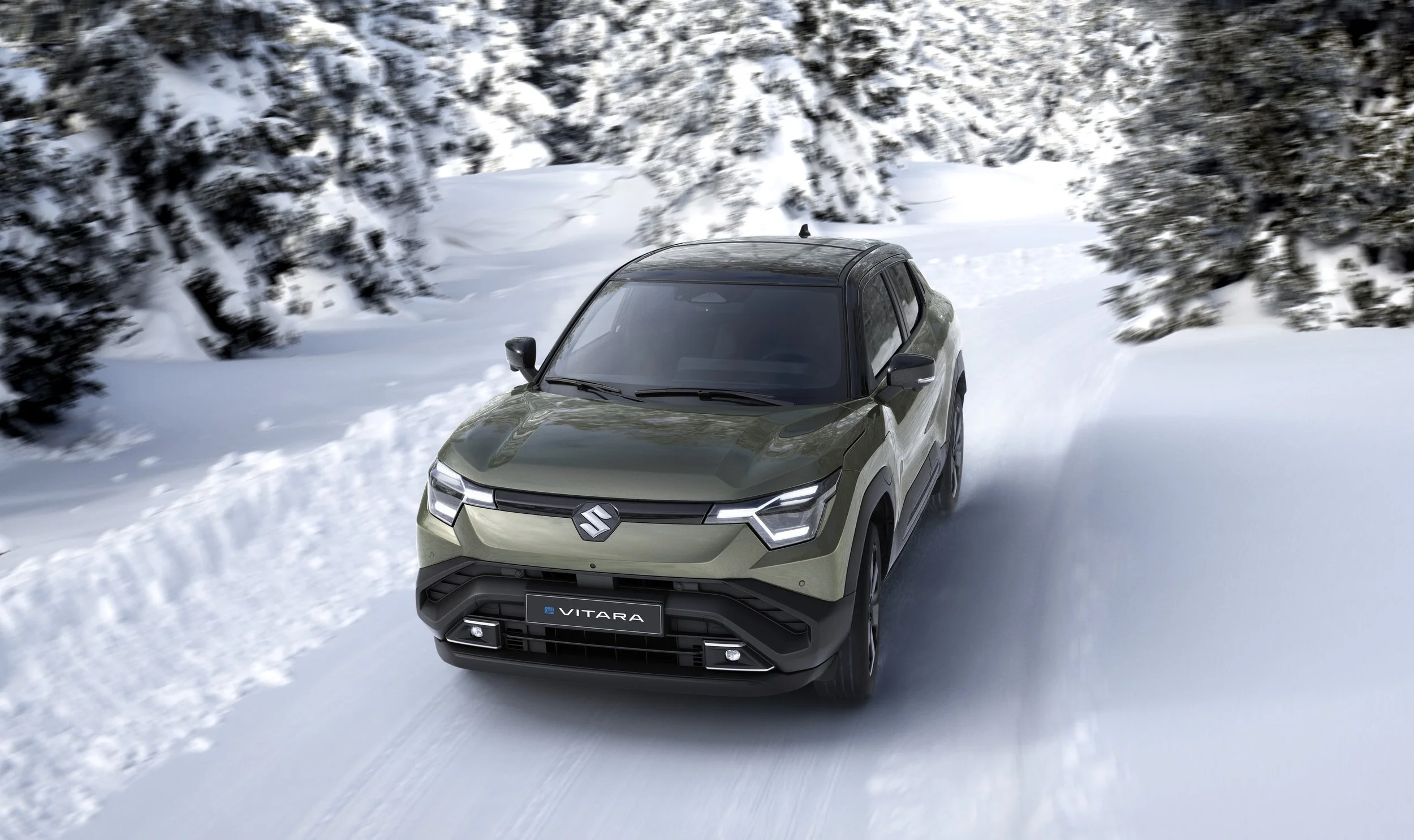
KEEPING it simple is the ethos of Suzuki New Zealand planning for its first electric car, with just two options incoming.
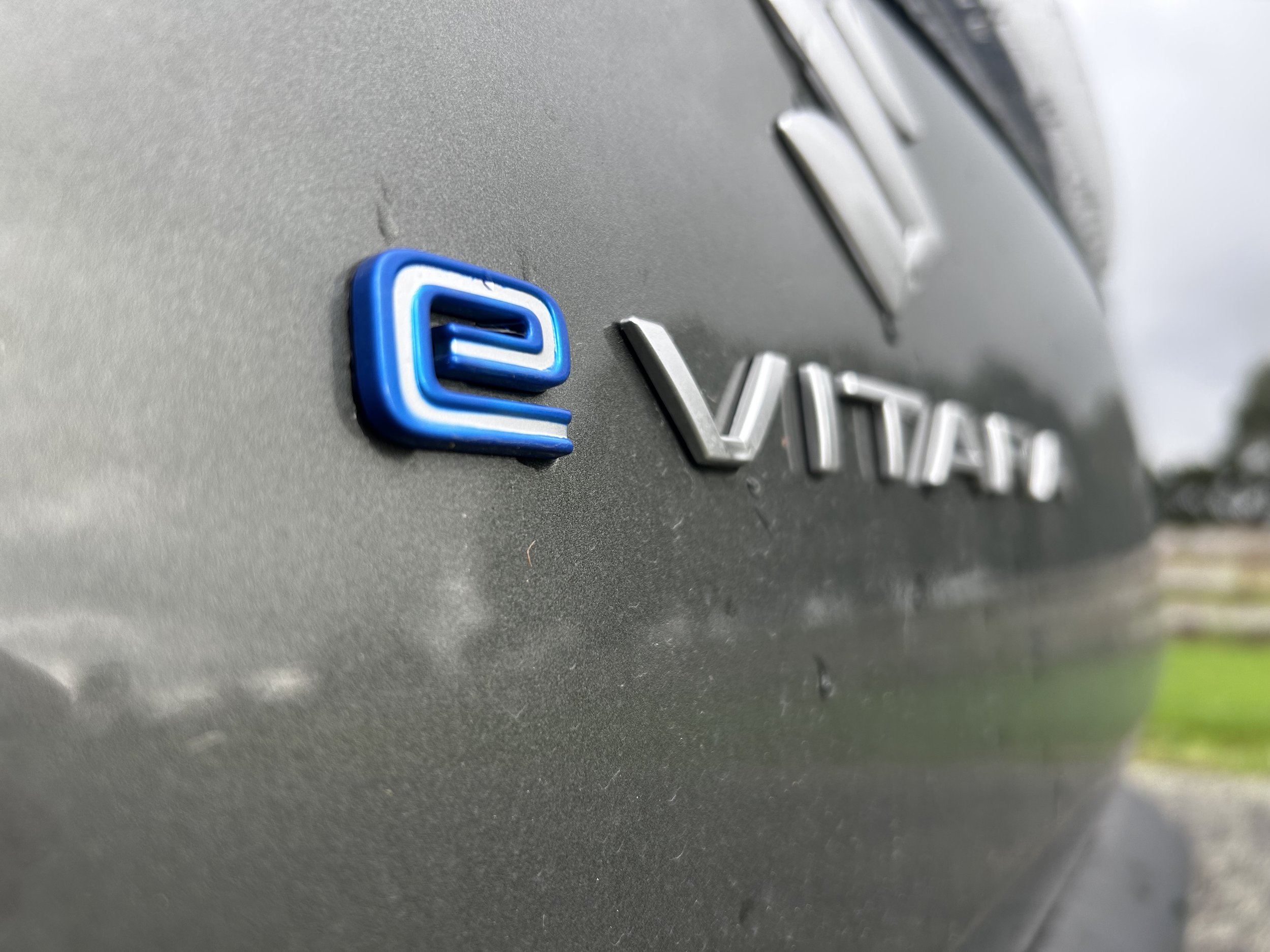
As the name suggests, the e-Vitara is a battery-dedicated new chapter for one of the Japanese make’s oldest model lines, whose internal combustion story began in the 1980s.
When the electric arrives - the make says ‘second quarter of 2026’ having previously suggested March - it’ll be a changing of the guard, with Suzuki New Zealand by then having cleared stock of the current 1.4-litre petrol hybrid model.
Whereas petrol Vitara spanned a large family, the electric will reduce to a front-drive with a range of up to 430 kilometres and a dual motor, with 396kms’ expected. Those ranges are estimated to the WLTP scale.
Both NZ-market types run a 61kW battery, the larger of two it is built with, the other being a 49kWh pack.
If overseas specifications are carried here, then the entry version takes a 128kW electric motor, while the dual motor - which continues the familiar ‘Allgrip’ labelling - has a combined power of 135kW.
Like the Jimny five-door and the Fronx crossover hatch, the e-Vitara comes from India.
The Gujarat factory is one of four plants it has there. Combined capabilty of producing 2.6 vehicles per annum means India has become a more important manufacturing base than Japan.
Suzuki NZ has yet to share pricing or the full specification for the electrics, but a media share today suggests they will run on 18 inch wheels and have heated front seats, a heated steering wheel, wireless charging, and customisable ambient lighting on the front door panels and centre console. A smart climate control heat pump system designed to conserve the battery for driving range is also featured.
Suzuki has promised advanced safety technology, with autonomous emergency braking, rear cross traffic alert, traffic sign recognition, and parking sensors highlighted as being among ingredients. Like many electrics, it has a low speed safety alert to warn pedestrians. The sound, Suzuki says, has been modelled on a jet taking off, “symbolising the thrill of starting a new journey.”
Irt also claims that the cabin has “a future-forward design that feels like a spaceship about to time warp the moment the door is opened.”
The e-Vitara is the end result of an EV project that has lasted years and has very little in common with the internal combustion Vitara apart from the name.
It is based on a new flexible architecture called Heartect-e, which has been designed especially for electric models and will also be shared with Toyota.
Suzuki favours a lithium-iron phosphate battery chemistry on grounds it makes for a more robust battery pack.
The e-Vitara draws its styling from an eVX concept car shown in 2023.
Suzuki is the last of Japan’s car makers to go electric and as much as e-Vitara is unlikely to stand alone, like Toyota and Mazda Suzuki also favours a multi-path approach using methods suitable for each region in the world such as pure electrics. hybrids, compressed natural gas and biofuel vehicles.
The media share quoted national sales manager Aaron Wales as saying there is considerable in-house excitement about the car.
“We’re really looking forward to the arrival of the e VITARA and there’s no doubt this outstanding new SUV will appeal to New Zealanders and their sense of adventure It will be an excellent addition to our range of affordable and fun small cars and SUVs.”