
China Inc: When push becomes shove
/More than two dozen Chinese vehicle brands are now represented in NZ, and all have ambition to be powerhouses.
ACCORDING to the Chinese zodiac, 2026 is set to be a double whammy year for luck.
Being the year of the horse in itself is a portent for business success. On the basis of the Five Elements theory, it is also the year of fire. Lore has it that children born during the ‘Fire Horse’ period stand to achieve remarkable feats.
China’s automotive industry already rides high on good fortune, its fuel tank is already brimmed with high octane optimism. How much more luck does it really need?
The world’s largest car market is also the world’s biggest producer of new vehicles. It is the top producer and developer of electric vehicles. Status as a global automotive power has come fast; ramping up to EV dominance in itself was achieved in less than 10 years.
Even if past effort of the past 24 months is simply replicated rather than ramped in 2026, China will hold position as the most powerful adversary yet to the world’s long-established performers.
Eighteen Chinese brands are here and more are entering the fray; some say the count by end of 2026 might be up to 30. All are looking to offer more affordable options comparatively to the big hitters.
They are offering variety in powertrain set-ups, though the push is primarily with electric and electrified - tough sectors just now.
While EV registrations in 2025 are almost 20 percent up on 2024, to date this year just 6394 have been registered - a 70 percent decline on the count for the last good year, 2023.
China Inc’s impact on the market is still emergent; the highest profile operations in respect to market share for all new vehicle sales is MG, on 3.1 percent.
Next are BYD and GWM, both on 2.7 percent. LDV holds a one percent stake, Jaecoo has 0.7 percent, sister brand Omoda and their parent Chery each hold 0.6 percent, Geely and LeapMotor are just starting up, so at 0.1percent.
Those penetrations will not yet overly irk sector giant Toyota, which grabs one in every four new car sales, Ford and Mitsubishi, respectively at 11 and 10 percent.
But the top three Chinese are already out-perming Tesla (1.2 percent) and VW (1.7) and BYD is just ahead of Honda, while MG is just half a percentage point shy of overshadowing Mazda and Nissan.
So they are on a path and it could be fair to say that, as it stands now, the Chinese brands’ incursion is delivering the same level of ripple effect as occurred in the 1980s, when the market opened up to used imports from overseas.
All are extremely bullish. But how much of that ambition is hot air, and how much might be derailed by significant industry revision seeming likely to come soon back at home?
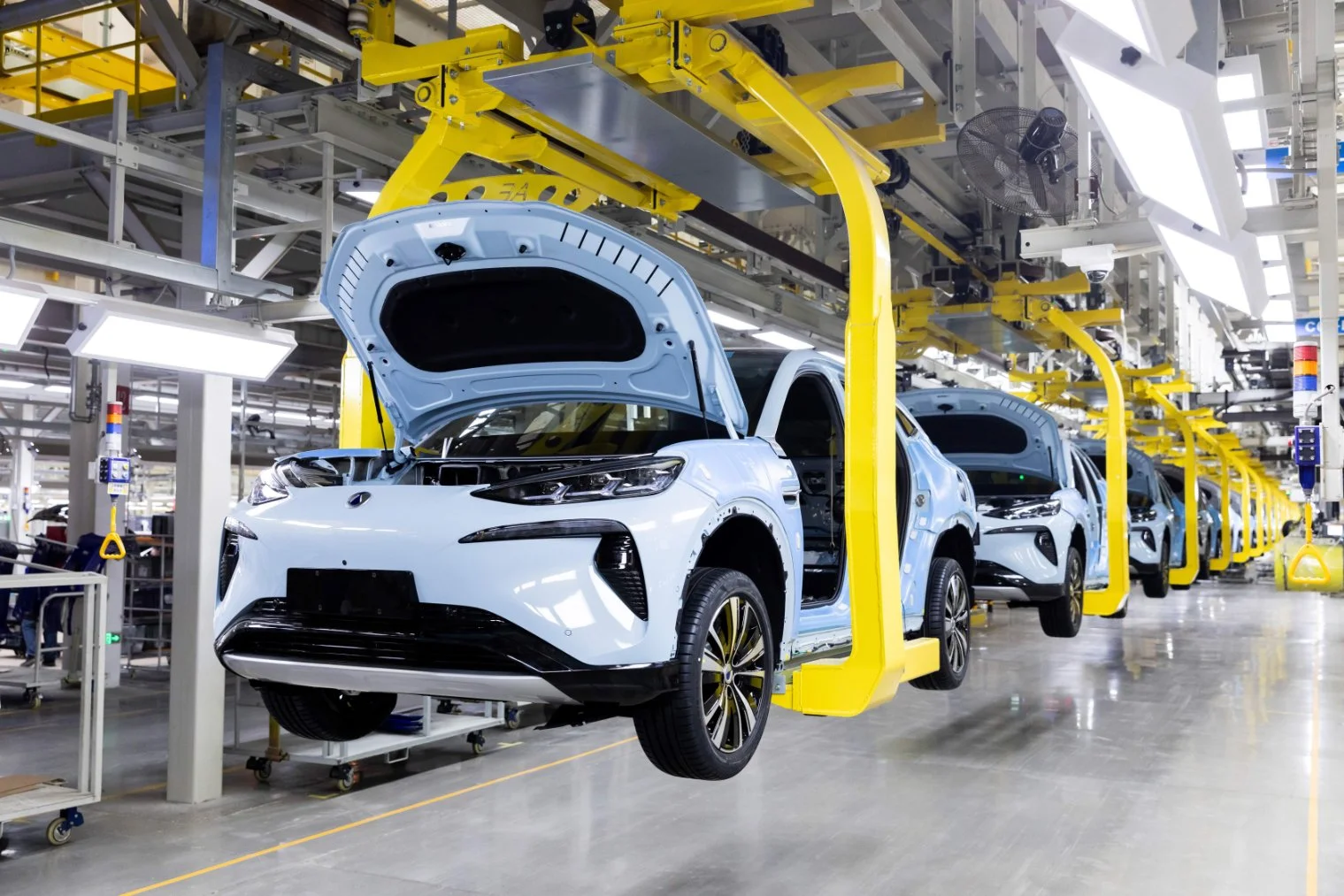
Emergent talk is that China is re-assessing its automotive endeavours; not to curtail but certainly to more ardently control.
Policies at national and regional level that prioritised production targets, notably of hot favourite new energy vehicles (the home parlance for anything ‘electrified’, so from hybrid, through plug-in hybrid to full electric) product over market demand are being reviewed.
Rampant spending by some carmakers has been shown to risky over-investment and years of big-ticket political support has fuelled a boom; gluttony has created a glut. The world's second-largest economy is saddled with vast oversupply.
View that China has more brands making more cars than it can absorb because the industry is striving to hit production targets influenced by government policy, instead of consumer demand, has been raised by President Xi Jinping. So, assuredly, it isn’t going to be swept under the carpet.
China last year produced almost 28 million cars and it has factory capacity to produce twice that. The domestic market, which last year swallowed up more cars than NZ has on its roads regardless of age, has hit peak.
To keep sales going, performers have enacted brutal domestic competitive practices. But even rampant discounting - at levels Kiwis can only dream of - is achieving so much. What’s concerning Beijing are the other methods to accrue registrations, and thus secure tasty incentives. These include worrying practices of mass dumping brand-new cars.
Exporting helps relieve that stress, and places where consumers are keen technology adopters and open minded about new providers are the real gold mines.
It should be obvious by now that New Zealand is among favoured markets with potential for fast growth. The incursion already has been more than enough to significantly change industry and consumer patterns here, but as they say, perhaps ‘we ain’t seen nothing yet.’
Cars from China designed and built by Chinese brands (so, excepting the Tesla, Kia, Volvo, Polestar product also from there) now appear to account for at least one in six new vehicles sold here.
The nature and structure of the car market here makes us alluring. Kiwis (and Aussies) buy a wide range of cars relative to other markets and we’re not afraid to take on new makes.
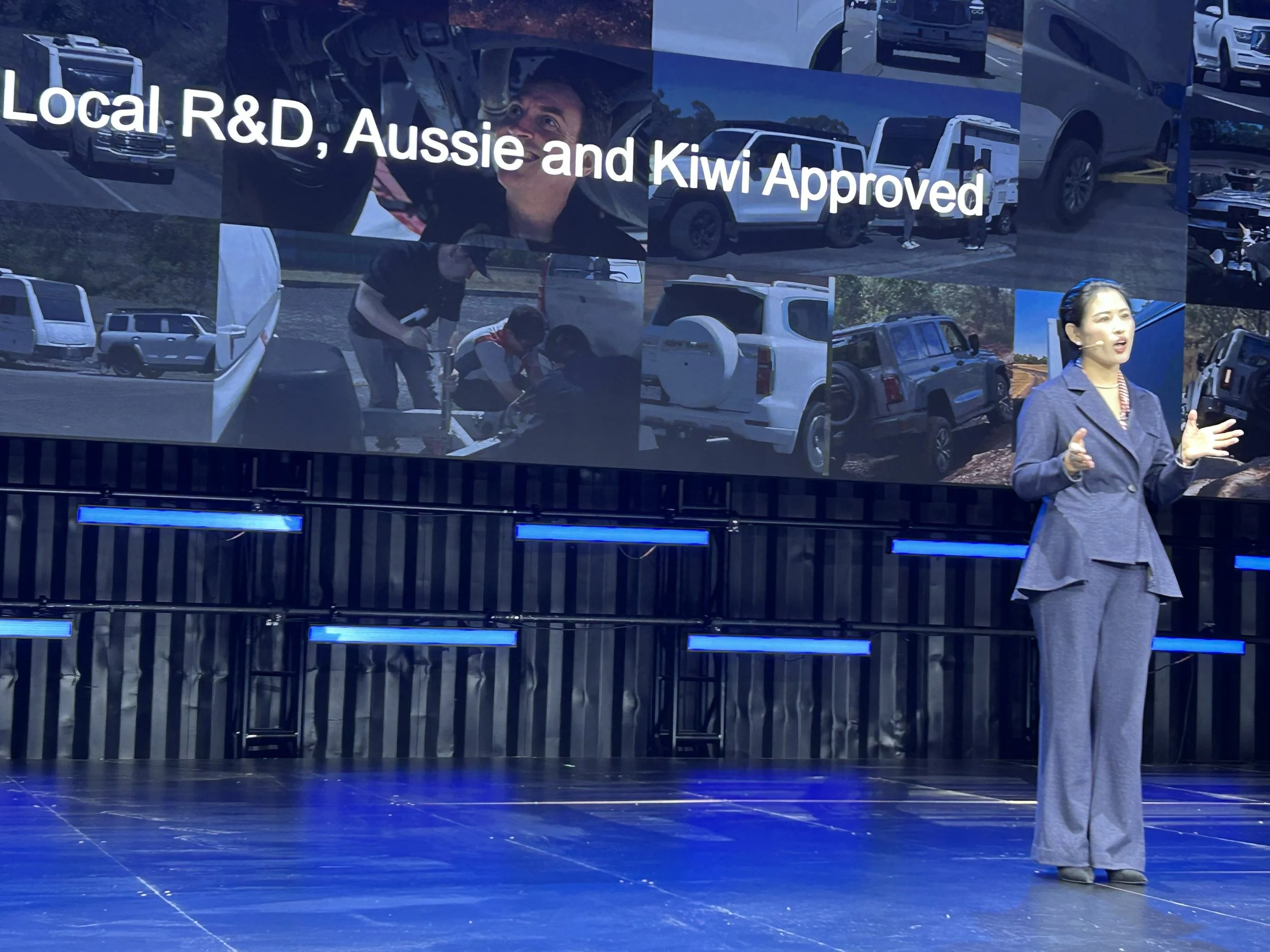
At April’s Shanghai auto show - now the world’s largest and most important for reveals - GWM global chairman Jack Wei suggested relatively high salaries, a diverse population and emissions standards and crash-testing protocols set by independent crash test authority ANCAP - which New Zealand parts funds and sets as our primary safety standard - are considerations.
Chinese makes don’t hunt as a pack - the enmity between some is very real - but common to all is unmasked ambition.
Aggressive goals for sales growth are commonly expressed. One major player purportedly advised a local distributor likely to sell around 2500 cars this year that the source factory could immediately avail 30,000 for 2026 if need be.
It’s certainly evident from goals expressed by others that as much as our new car market is likely to sit at around 115,000-120,000 units this year, they would be much more satisfied if it could somehow be elevated to 160,000. Or more.
With that kind of thinking, the pressure is ALWAYS on. At same token, some makes are starting to accept the best people to be in charge are those that have most intimate knowledge of this market.
MG’s latest (and eighth since 2017) local boss, Dean Sheed, is a good find; he has a background with Ford, then ran VW and Audi here.
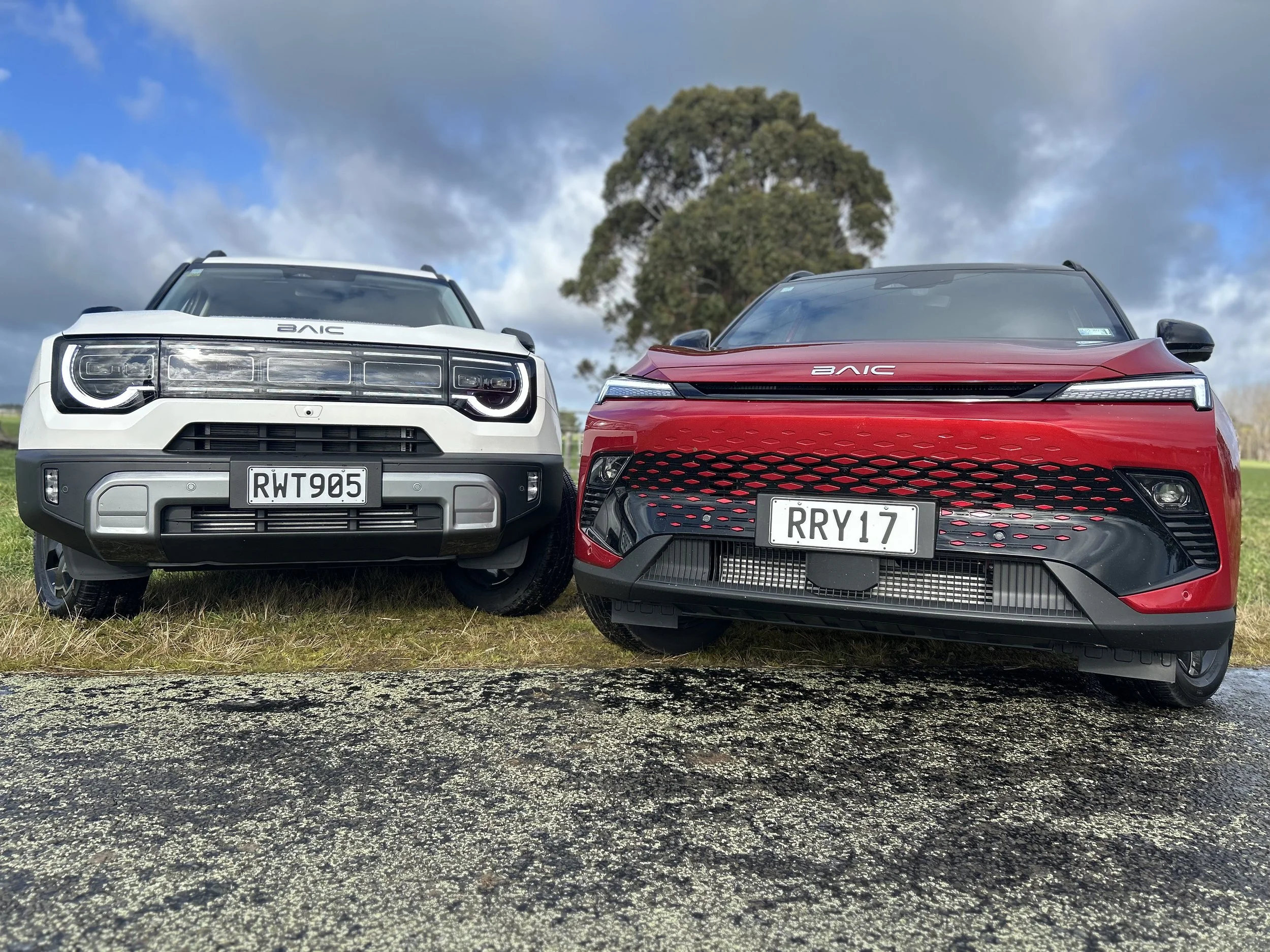
Of the three senior executives to depart Ford NZ over the past year, one, Simon Rutherford, has relocated to running Armstrong’s Distribution Limited, with parcels three Chinese makes - LeapMotor, Dongfeng and BAIC - and another, Cameron Thomas, is GWM’s country manager.
MG’s intent to be national No.3 by 2030 and Thomas’s recently asserted intent to raise the Haval, Cannon, Tank and incoming Wey brand family to No.5 in our market by 2028 is the sort of confidence the head honchos in Wuhan, Shenzhen, Wuhu, Anhui, Chongquin and Baoding will surely like to hear.
The ideal is to simply sweep in and steal the show. BYD certainly managed that by starting out here with the Atto 3 … a small cheap compact electric landing just when rebates were driving EV adoption to lathered frenzy was a masterstroke.
As said, withdrawal of rebates pretty much popped that bubble for every EV - these days Atto 3 barely shows up in data - but back then it was a dominant car anecdotally assured success becuase, like the Telsa Model 3 a couple of years earlier, it was simply available and accessible at the right price.
How about a repeat with a ute? BYD confidence in respect to the Shark 6 was high. But New Zealand general manager Warren Willmot’s claim, when revealing what was then a first of its kind plug-in petrol hybrid ute at the 2024 national Fieldays agricultural event, that “the biggest, cleanest change in the ute industry ever” would soon be hitting those “dirty diesels” where it hurt most just hasn’t played out over the 16 months since.
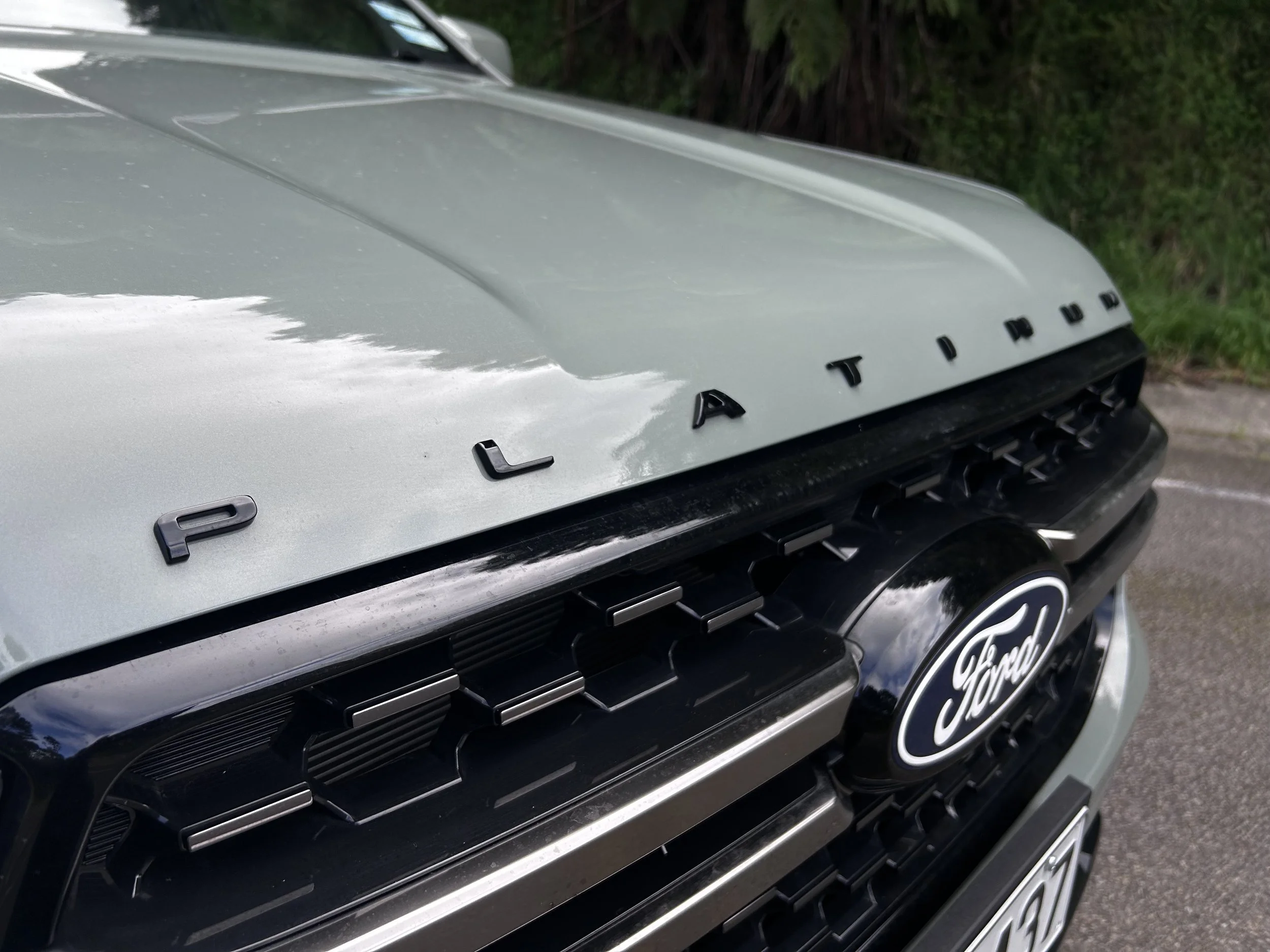
The category big sellers then, Toyota Hilux and Ford Ranger - now also respectively available in mild hybrid and PHEV - hold same status now, and always did in the interim. Shark has only once this year made the top 10. Its registration tally of 1615 units between January 1 and end of October makes it a minnow against the Ford on 7862 and Toyota on 7232.
The crushing lesson from the EV collapse has taught distributors here to keep stock inventory lean. Some Chinese distributors take the next step of allocating everything as soon as it lands; the dealer picking up the bill there and then. It’s a good incentive to sell, sell, sell.
The new car scene was tough last year; consumer interest is on the rebound now, but there’s evident anxiety among yard owners to secure the golden nugget of a Chinese brand, preferably one out to work the budget end, that can deliver fast sales and tidy profits.
Some commentators are caught up in the rush but the consumers they should be prioritising are in any case generally too level-headed and pragmatic to swallow the hyperbole.
But dealer level and pub chat feedback suggests attitude to Chinese cars is genuinely now largely positive.
We see them as exemplars of advanced technology and decent manufacturing, arriving with more favourable pricing, comparable to product from other countries.
We are increasingly noting that Chinese product has lifted in respect to crash worthiness and occupant protection. That the best of the crop are setting leading scores in the independent NCAP/ANCAP tests that hold priority recognition here can only strengthen that credibility.
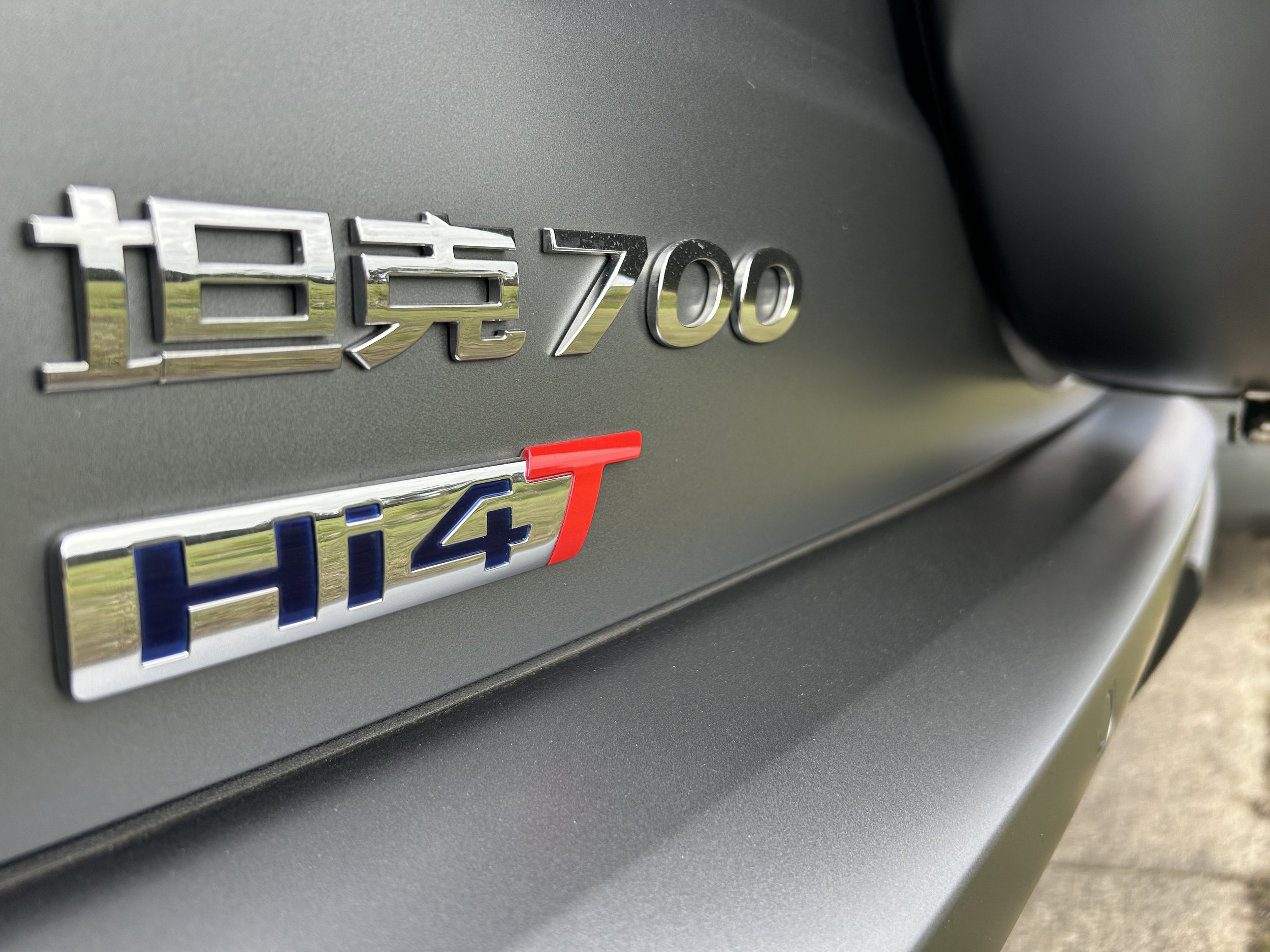
The next challenge is to make them more pleasing to operate. If driving pleasure is what matters most, then China struggles to deliver; few seem over-encumbered by dynamic finesse. Well done, GWM, for its regional effort to retune suspension and steering of its products to meet regional expectations.
Also demanding attention is China’s embrace of driver assistance technology. The delivery is certainly intensive, but is also almost always so heavy-handed as to be annoying, if not impossible to put up with.
Those you lack temperament for needless bings and bongs and erratic steering and braking adjustments should always test drive first. Also, if the car seems unnaturally calm, check to see if the seller hasn’t covered the monitoring camera with tape.
Warranties are generally very strong but one grey area is the degree of parts availability for quick and effective turnaround. All cars are susceptible to parts failure, none are immune to crash damage; it takes one flicked up stone to destroy a windscreen.
The legacy brands take deserved pride in keeping massive national warehouses packed with million dollar inventories, ready to repair at short notice.
Toyota, Mitsubishi, Nissan and VW Group brands have vast warehouses and take justifiable pride in having established national supply networks with very good track record of bringing product back to road-worthiness.
It’s far from clear how many Chinese makes are in the same position. But that none are crowing yet could be telling. The distributor for one recent arrival expected to make a scene admitted to this writer he held around $100,000 worth of inventory in country. That’s not a lot.
China’s enthusiasm for shorter product life cycles than has been the industry norm works both ways. On the one side, it means potential a distributor will have to hold more parts.
On the other, it mean today’s duds will soon be yesterday’s bad dreams. The pace of development is astounding; a new Zeekr car that has just announced for NZ but yet to go on sale here has already been updated in China.
Back to where we came in. Without those endless top ups of cash from national and regional administrations, China’s car industry would never have grown anything like as big.
If the money train stops, what impact on China Inc continuing to uphold itself as an unstoppable force?
That is about to be tested. Reuters news agency is reporting that Beijing has sent a clear signal that it is willing to pull the plug on subsidies for the NEV industry.
In the last week of October, top policymakers omitted EVs from their list of strategic industries in their recent five-year development plan for 2026-2030, the industry's first exclusion in more than a decade.
Analysts say the move is evidence the Beijing considers the industry to be mature and no longer requires the same level of financial support, leaving its development up to market forces.
Still, they also accept this demands some care. A potential shakeout potentially has huge implication for China’s economy, where the car industry and related services comprise about one-tenth of gross domestic product.
This could be the start of a new beginning for an industry whose rise has been incredible, with an explosion in growth tracing back to 2009 when Beijing launched a programme to encourage makers to produce EVs and consumers to buy them.
Even with billions availing in subsidies, the EV side that now hogs the headlines only generated into something substantial in 2017, when Chinese government officials drafted a car-making policy blueprint outlining a goal of producing 35 million vehicles a year by 2025.
When the dust clears, AlixPartners, a specialist consultancy, predicts just 15 of the 129 EV and hybrid brands in China will be financially viable by 2030.
If only the biggest and fittest survive, it will be of absolutely no relief to any other car makers around the world because those survivors will all be giants, easily as capable as the big name brands out of Europe, North America, Japan and South Korea we already know well.