
Hydrogen X5 talked up regionally
/Munich confirms fuel cell edition will join EV, PHEV, petrol and diesel types - will we see it here?
REGIONAL promotion of a production-confirmed BMW being set to include a hydrogen fuel cell among its five powertrain choices has stopped short of suggesting local availability could one day be likely.
The fuel is controversial, not least with electric car zealots, who BMW is trying hard to win over by being the European premium brand with the biggest offering of battery cars.
However, hydrogen is already a fuel turning wheels in New Zealand, with Toyota and Hyundai already years into ongoing trials.
Having started with the Nexo compact crossover, the South Korean make is now concentrating on a programme involving its Xcient heavy truck, on long distance haulage. The biggest trip is a regular Auckland-Palmerston North overnight return, each leg being a six hour and 513 kilometre haul, with refuelling at the turnaround.
The Manawatu city is home base for Toyota New Zealand, which has more than 20 examples of its Mirai car in circulation, most based in Auckland.
TNZ’s office is just down the road from the hydrogen refuelling station used by the Hyundai, but Japan’s No.1 cannot run a Mirai on that turf because of an incompatibility with the bowser.
The BMW lining up for hydrogen is the next, fifth generation of its most popular sports utility, the X5, which begins its roll out next year as the iX5.
The fuel cell edition - called the iX5 Hydrogen - is set to become the first hydrogen car that BMW has ever sold.
It seems likely to join the market in 2028 and by then will complement continuing diesel, petrol, plug-in-hydrid and a type-first fully electric edition.
The hydrogen-involved car has a Toyota link; the Munich firm has the same fuel cell tech used by the Mirai, sourced under a license agreement. The makes have been partnering on this for some years. A iX5 test mule running a hydrogen fuel cell was publicised in 2023.
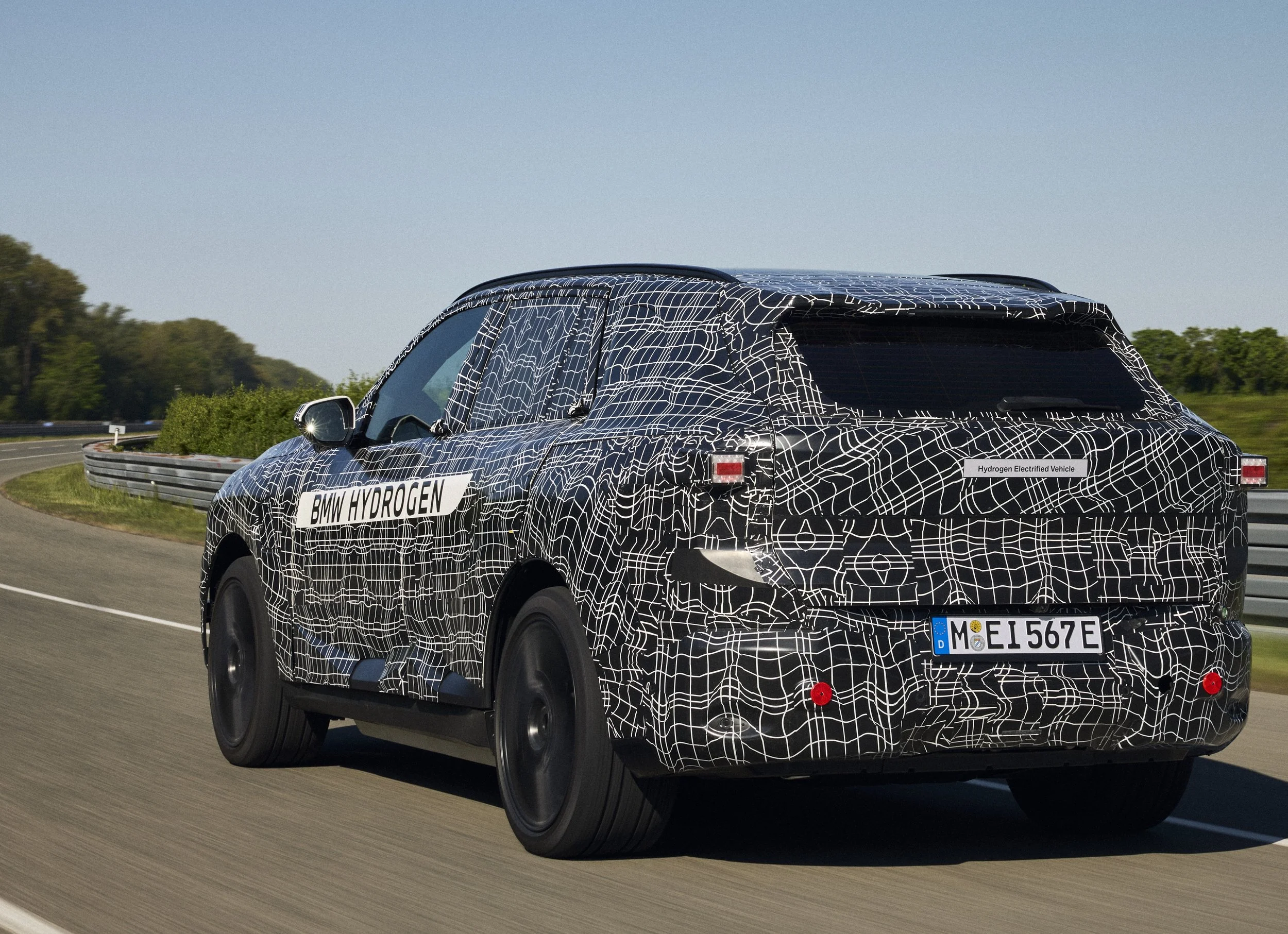
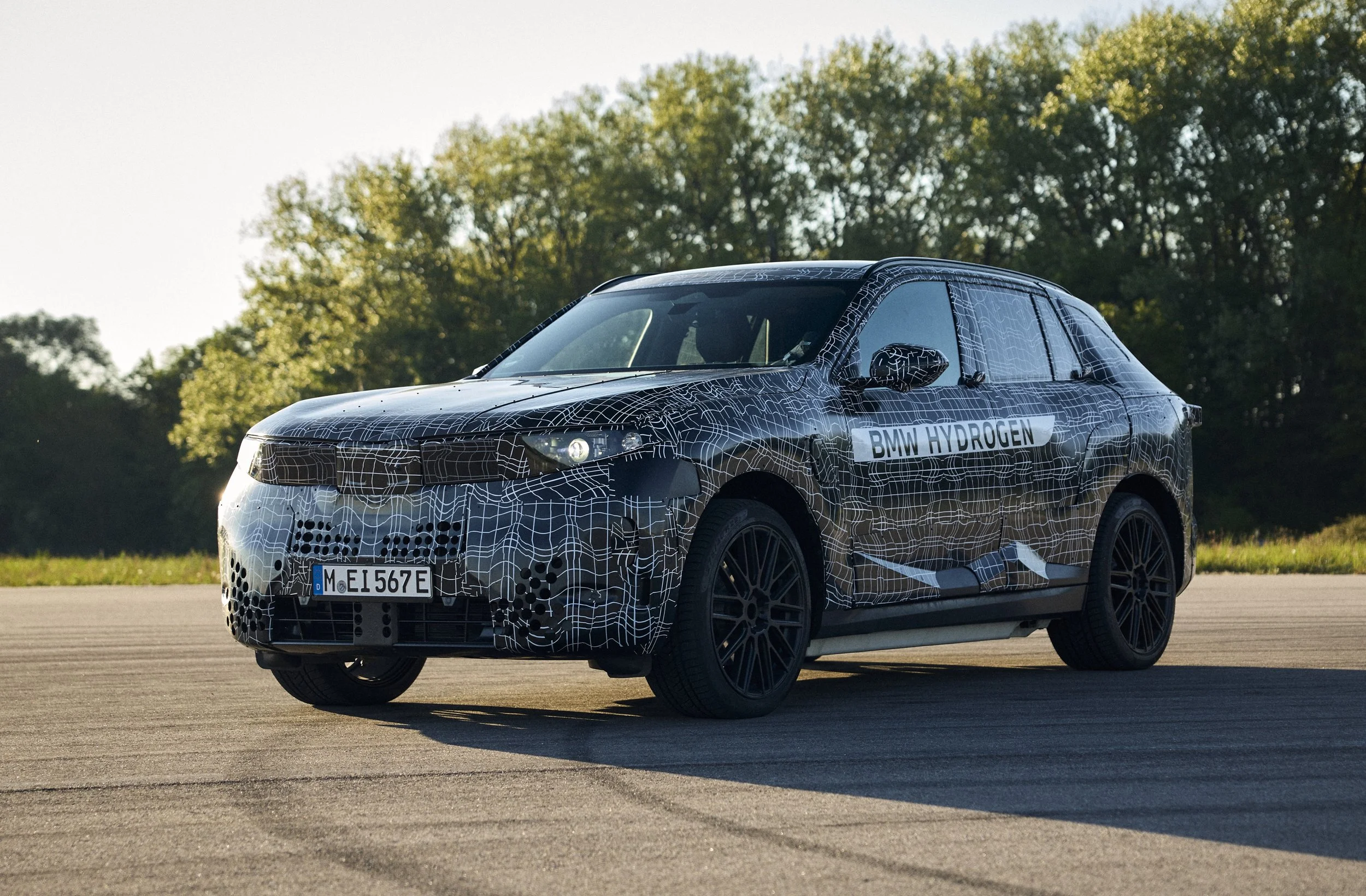
BMW has yet to share too much technical detail about iX5, but says the fuel cell car will achieve 480 kilometres’ range. The new prototype seen here uses a third-generation fuel cell stack which is around 25 percent smaller than the initial one yet delivers greater power density and efficiency. The system integrates a new high-voltage control unit, dubbed the BMW Energy Master.
“The launch of the X5 in five drivetrain configurations demonstrates our determination to serve different customer needs globally,” said Joachim Post, the German manufacturer’s research and development boss.
Although heavily camouflaged, the iX5 Hydrogen prototype hints at how the next X5 will adopt the bold Neue Klasse look Kiwis will first see firsthand with next year’s iX3, which unveiled the recent Munich motor show.