
JLR hacker attack impact on NZ unclear
/Production flow from UK factories ceased; reports say Slovakia operation supplying here also affected.
IMPLICATION here of a costly cyber attack that has halted production at Jaguar Land Rover factories supplying New Zealand has yet to wholly unpack, but at the moment the local operation feels it is coping.
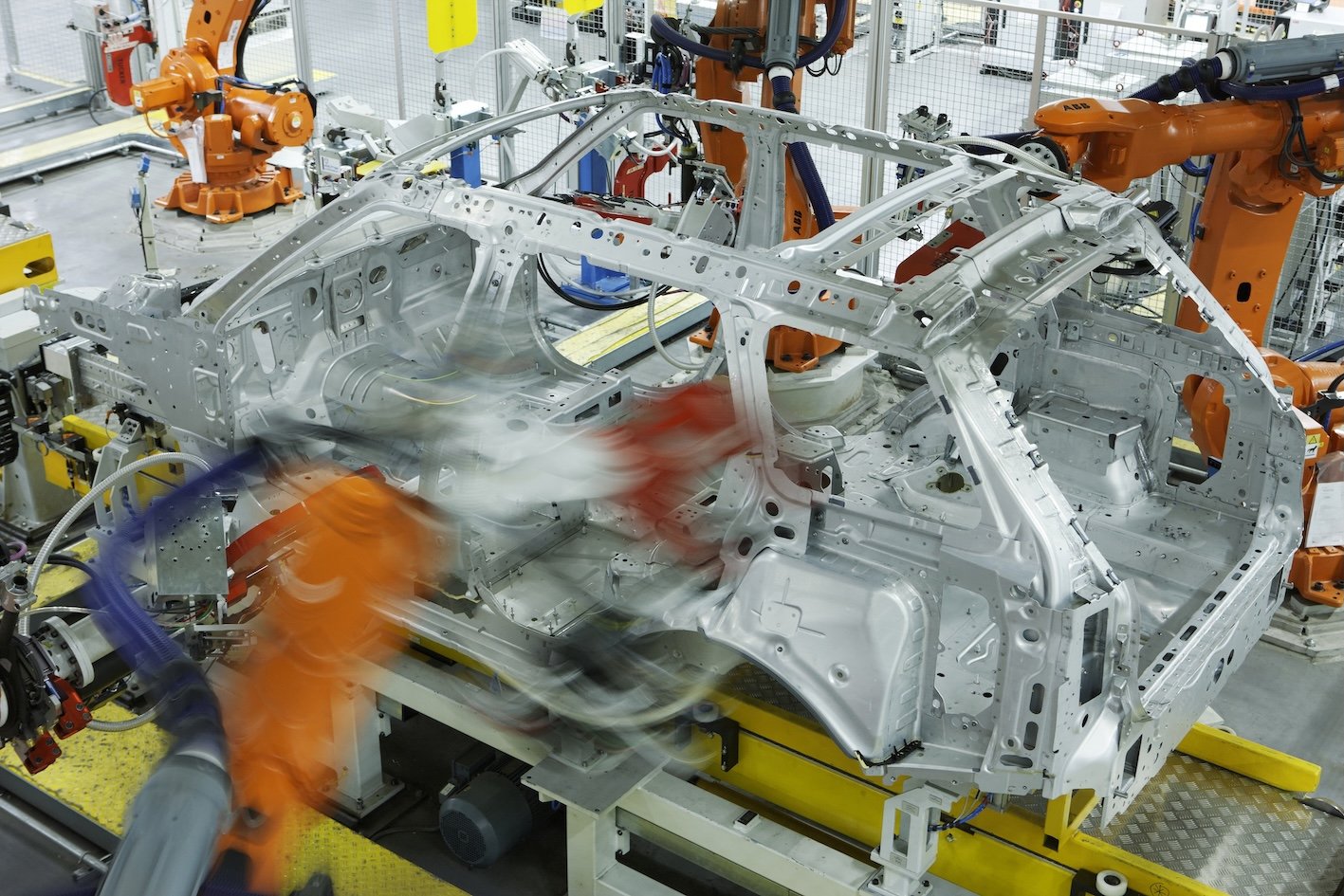
An attack on the car maker’s IT networks at the end of August has suspended production from its three UK factories, affected plants elsewhere and is thought to be costing the brand millions of dollars a day.
Comment has come from Ben Montgomery, the general manager of national JLR distributor Motorcorp, and Special PR, a public relations company in Auckland that acts for the Giltrap Group operation.
In respect to any impacts on supply for this market, Montgomery says stock remains available in NZ.
“We are in close contact with JLR who are keeping us up to date. We want to apologise for any inconvenience this has caused to Kiwis.”
In a separate statement, Special PR said “locally, we’re working closely with global teams to ensure our customers are supported and kept informed.”
Montgomery and the agency today directed attention to a global statement on the JLR website, JLR.com, which indicates that the brand is working toward regaining control of its IT network.
Reporting out of the United Kingdom today suggests resolution of the issue is far from complete, with suggestion carmaking won’t resume until next month at the earliest.
JLR, normally builds about 1000 cars a day at its three factories in Solihull and Wolverhampton in Britain’s West Midlands, and Halewood in Merseyside. NZ-market Range Rovers come from the UK.
Those facilities are presently silent, workers having been sent home following the hack - which first came to light on 1 September - with no firm return date.
JLR also has large factories in Slovakia and China, as well as a smaller facility in India.
These have also been affected by the shutdown, according to news reports. The Slovakia plant builds Land Rover Defender and Discovery for NZ.
In the UK alone, about 30,000 people are directly employed at the company's plants with about 100,000 working for firms in the supply chain.
Some of these firms supply parts exclusively to JLR, which is owned by India's Tata Motors, while others sell components to other carmakers as well.
British media say fears are growing that some suppliers, in particular the smaller firms who solely rely on JLR's business, could go bust without support.
The BBC reported today the British government is considering stepping in to support suppliers.
One idea being explored is the government starts buying the component parts the suppliers build. The proposal is that this will keep to those companies in business until production lines are up and running again.
Suppliers have told the news service they are sceptical about the success of such a scheme.
An investigation is under way into the attack, which is believed to be costing the company at least $115 million a week in lost production.
There are reports JLR had not been able to finalise an agreement for insurance against a cyber-attack ahead of the incident.
JLR confirmed this week that its factories will not resume operations until at least October 1. Earlier reports suggested the disruption could last until November.
This has been a tough period for the maker. In July it had to cut jobs in the UK as part of a voluntary redundancy scheme with US tariffs playing havoc on the brand's profits and sales.
All this turmoil is occurring as JLR undergoes a massive brand transformation to transition into an all electric future, while also coping with declining global sales, with figures down 4.4 per cent around the world in the first half of 2025 to 198,699 units.
The EV switch means supply of Jaguar cars here has effectively exhausted; Land Rover has become the current sales rock.
Curtailment of production of Jaguars with petrol and diesel power began in mid-2024. The make’s i-Pace electric car has also ceased production as part of that process.
If the UK government was to step in, it is believed to be the first time that a company would have received help as a result of a cyber-attack.
A group calling itself Scattered Lapsus$ Hunters has claimed responsibility for the hack.