
EX30 swaps suit for swanndri
/Cross Country flagship bumps city slicker original formats and prices also slashed.
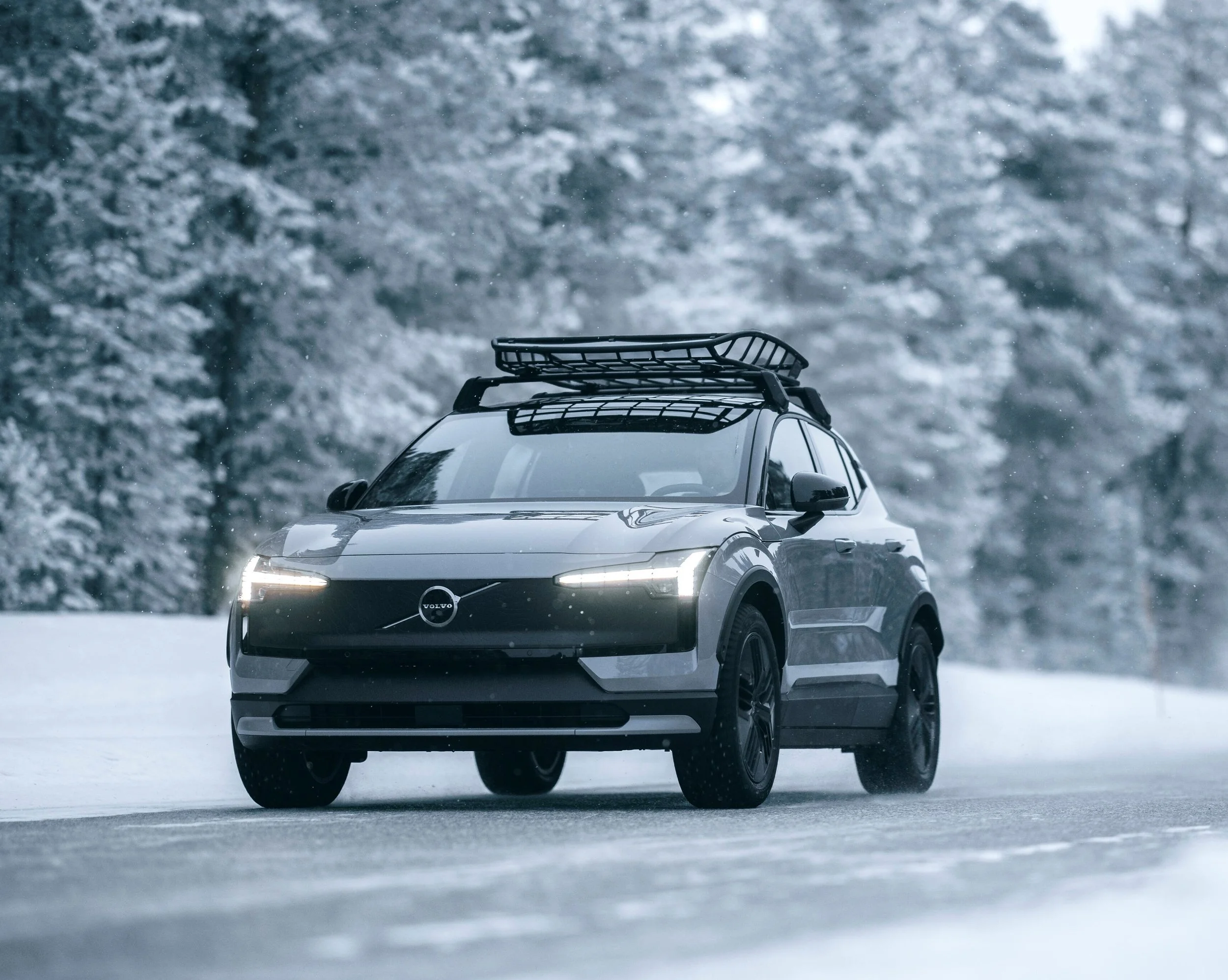
EIGHTEEN months on from release, the smallest electric car in Volvo’s line-up has entered into a personality and price repositioning.
An an outdoorsy makeover edition is now being favoured over the original city suave types.
The lineup has reduced to two types, both cheaper than the car was when released here in April 2024, representing as the most promising of a new generation of Volvos developed under its ownership by Chinese giant Geely.
On release it held pricing designed to take advantage of a battery incentive that had been withdrawn by the time it landed.
The smallest electric model Volvo says it intends to build availed as a single motor type in Extended Plus and Ultra trims at $74,990 and $78,990 respectively - low enough to attract the $7015 Clean Car discount abolished at end of 2023 - and a dual motor, also in Ultra trim, for $84,990.
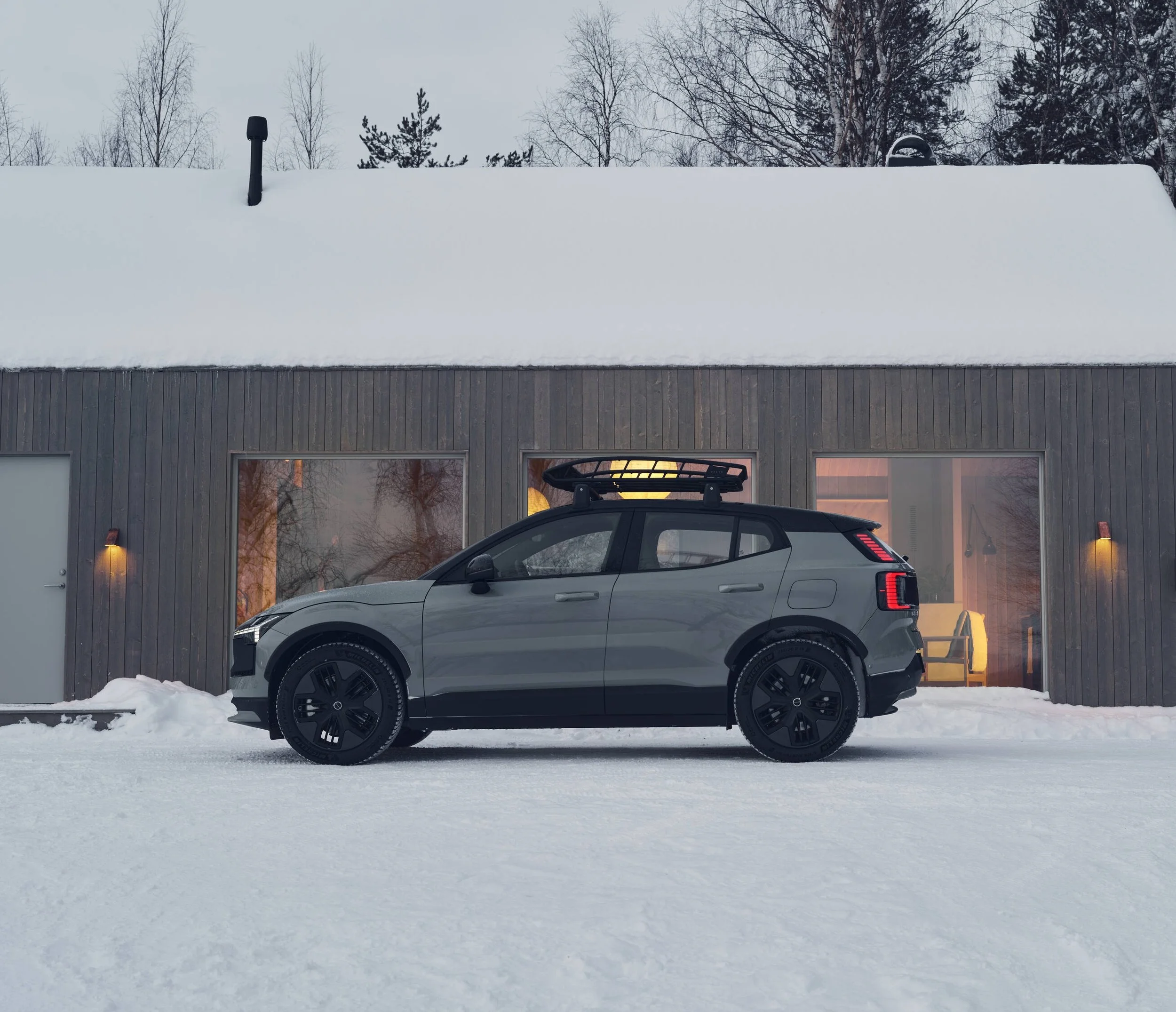
Today, Volvo New Zealand announced a change of marketing direction, with an entry car at $63,990 and a new elevated Cross Country dual motor (pictured), for $69,990.
The revision comes with announcement of other model repositioning, retirements and a reintroduction.
The XC40 all wheel-drive that has historically won strong volume has been returned to selection, for $76,990, the XC60 has been upgrade to include a Ultra Dark variant at $87,990 and there is an edition of the long-toothed XC90 in seven chair for $108,990.
Volvo Cars NZ brand manager Daile Stephens says the revisions are all about enhancing the make’s standing as a quality European make designed with Kiwi families and lifestyles in mind.
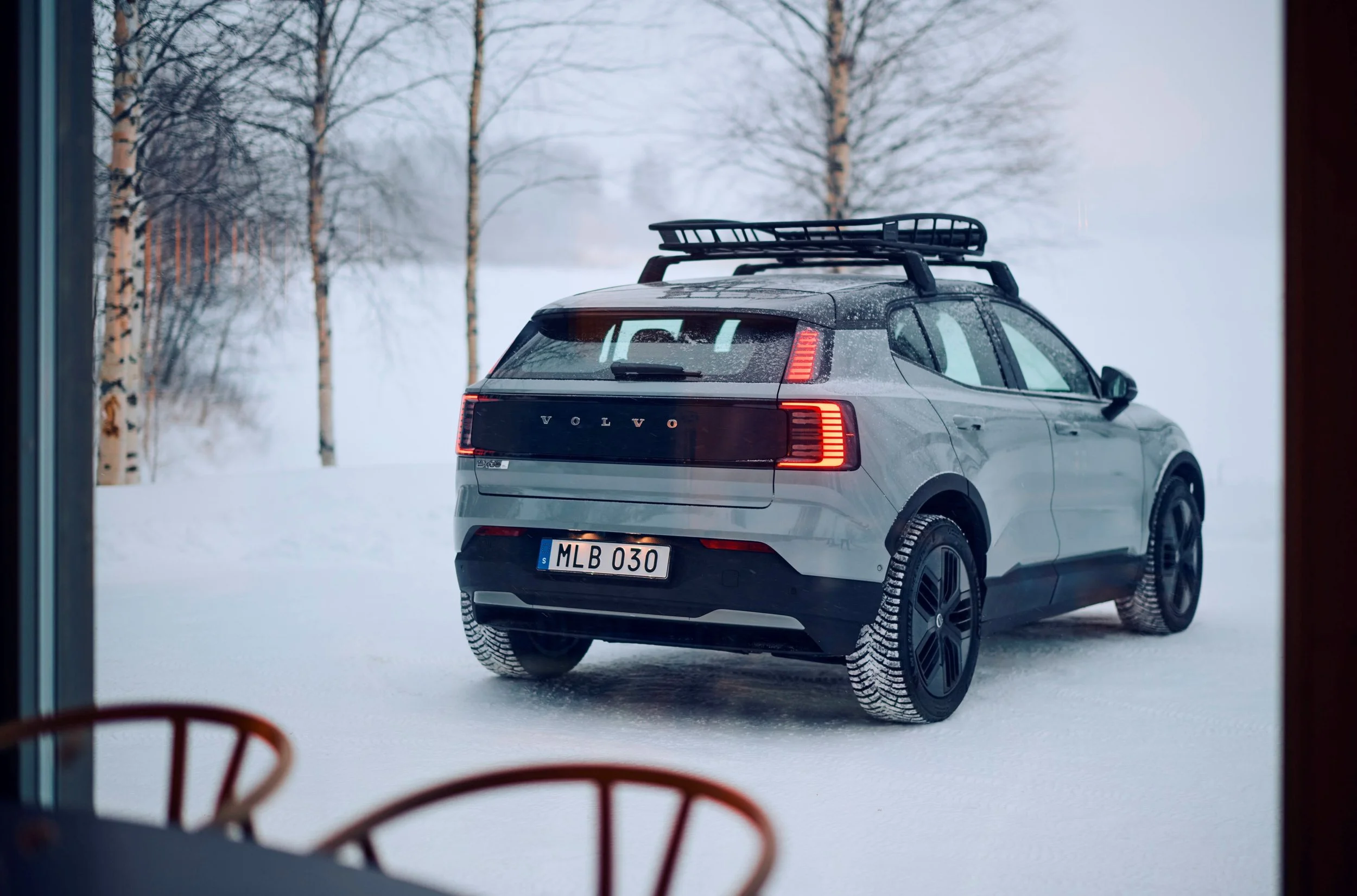
The EX30 change is major; Volvo has a history of Cross Country editions which enhance the off-roadability.
In case of the EX30, that is a big personality change than effectively asks for existing customers to reconsider what the car is about.
Overseas’ reports suggest the Cross Country type more in the name of implied rather than actual off-seal cred, though Volvo has fitted smaller wheels, softened the suspension and given it a bit more ground clearance to live up to the branding.
However, it’s likely a case of a fresh change being required to raise interest in a car that has been a hard sell in the challenging sales environment for EVs that has existed since rebates ended and Road User Charge introduced.
Although the EX30 has always has crossover intention, Volvo NZ’s suggestion is the Cross Country is a far more rugged type - albeit more in perception and presentation than actual talent - will make it ideal for those who want to explore beyond the city.
“With increased ground clearance compared with the standard EX30, it offers greater capability for navigating rough terrain while remaining compact and fully electric.”
That line of promotion is familiar ground for Stephens as, for many years, she was marketing manager for Subaru New Zealand.
One other throw of the dice is whether it will also look to the EX30 Performance, which with a 115kW front and 200kW rear motor set has more grunt than the past and present versions sold here.
The Cross Country comes in the highest-level Ultra trim but with solid Green credentials, with claim the EX30 was designed with the aim of having a smaller carbon footprint than any previous Volvo.
The car contains 25 percent recycled aluminium and 17 percent recycled steel, with a further 17 percent of its plastic content coming from recycled sources. It also evidences strong use of recycled materials inside, such as denim and PET plastic bottles, alongside more sustainable materials, including flax and wool.
Volvo has worked with suppliers to reduce emissions from the production process, while better end-of-life disposal has also been factored into the car's design.
Where EX30 first arrived, Volvo locally bypassed a 51kWh LFP battery model with a driving range of 344 kilometres and instead focused on a 69kWh NMC battery in a 200kW/343Nm model providing 479 kilometres of driving from the single motor. It assumed that provision remains with the update.
The dual-motor setup that availed in the Ultra previously appears to carry into the Cross Country. In original format it produced 315kW and 543Nm and has a 460km range.