
Dongfeng safety saga: Five stars for Vigo, none for Box
/Value-promoting Chinese newcomer asserts a better score for its second car here than the first.
ANNOUNCEMENT of a second car incoming from Chinese electric car specialist Dongfeng has highlighted how it has achieved a far more credible safety rating than the brand’s initial product here.
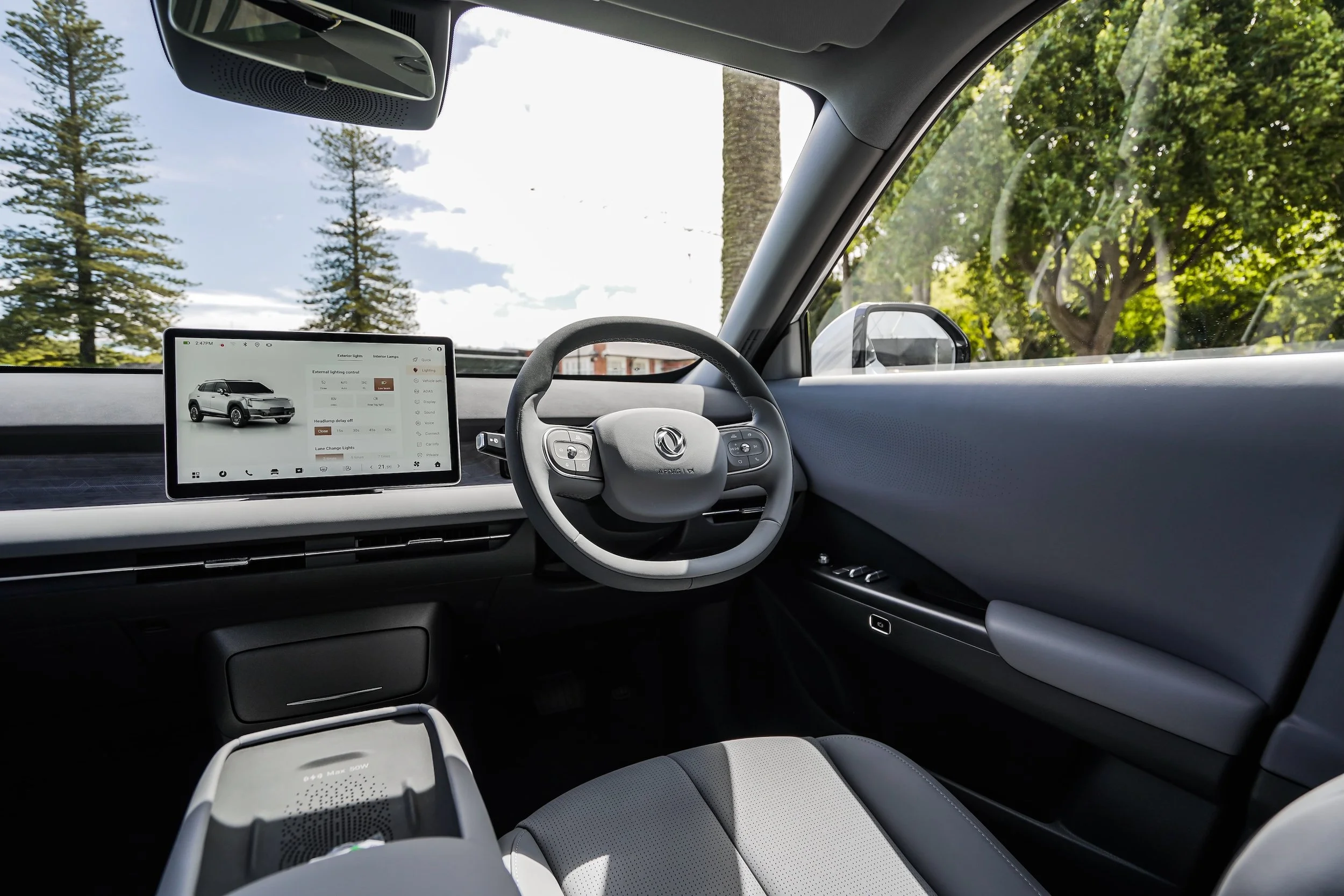
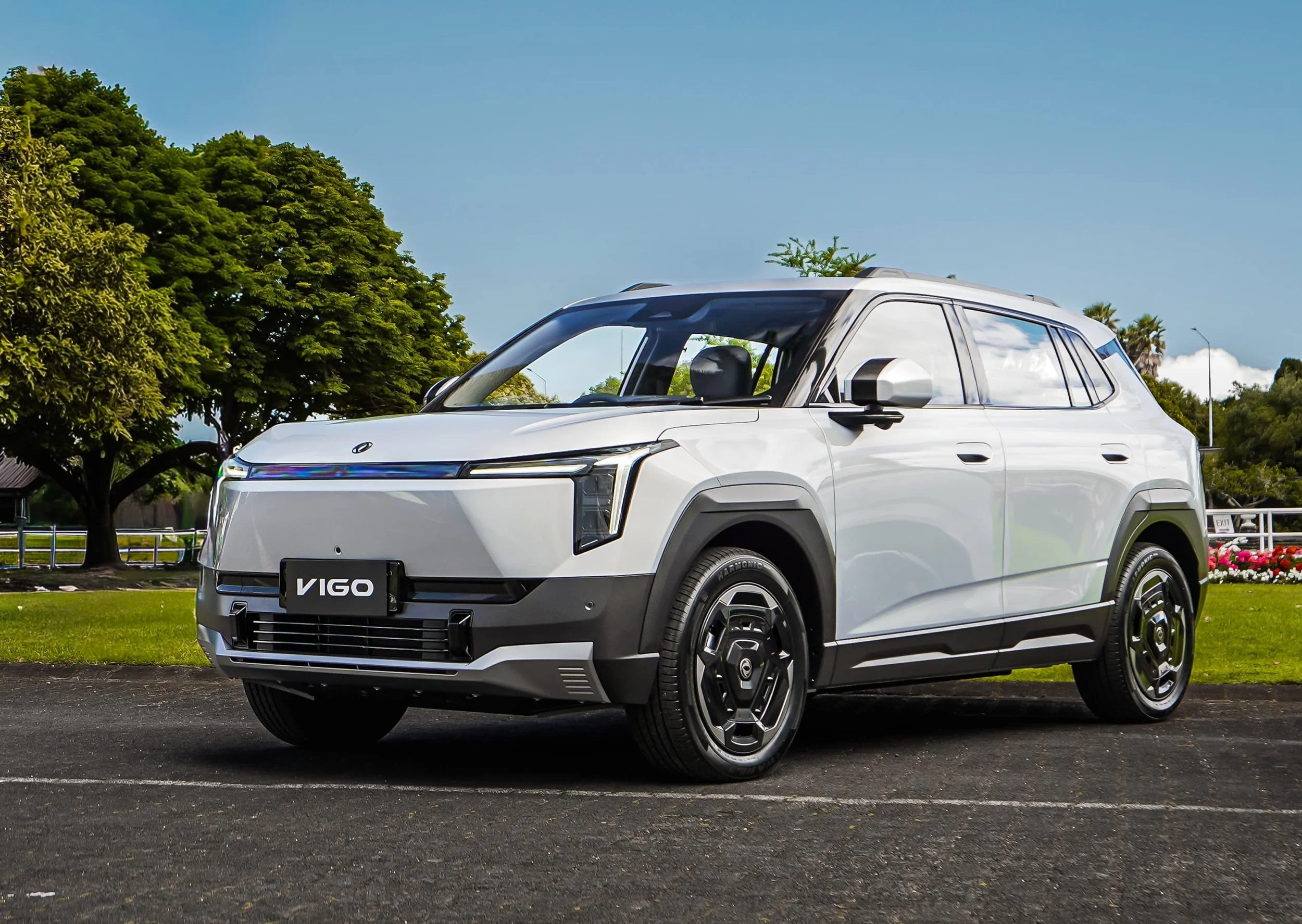
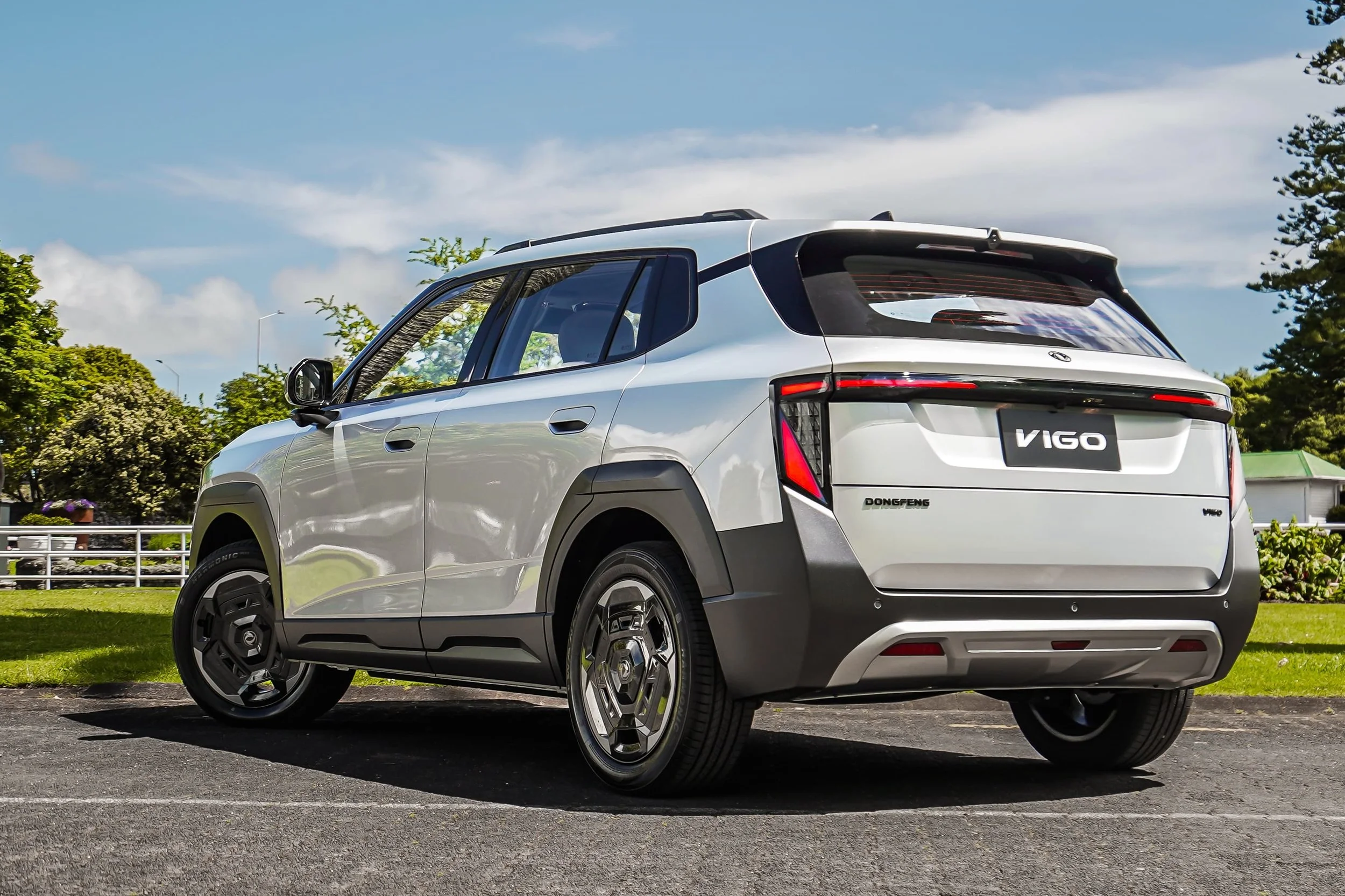
In releasing information today about the Vigo (above), a five seater compact sports utility on sale from next month, the distributor has emphasised how this model has a five star Vehicle Safety Risk Rating (VSSR) from New Zealand Transport Authority Waka Kotahi.
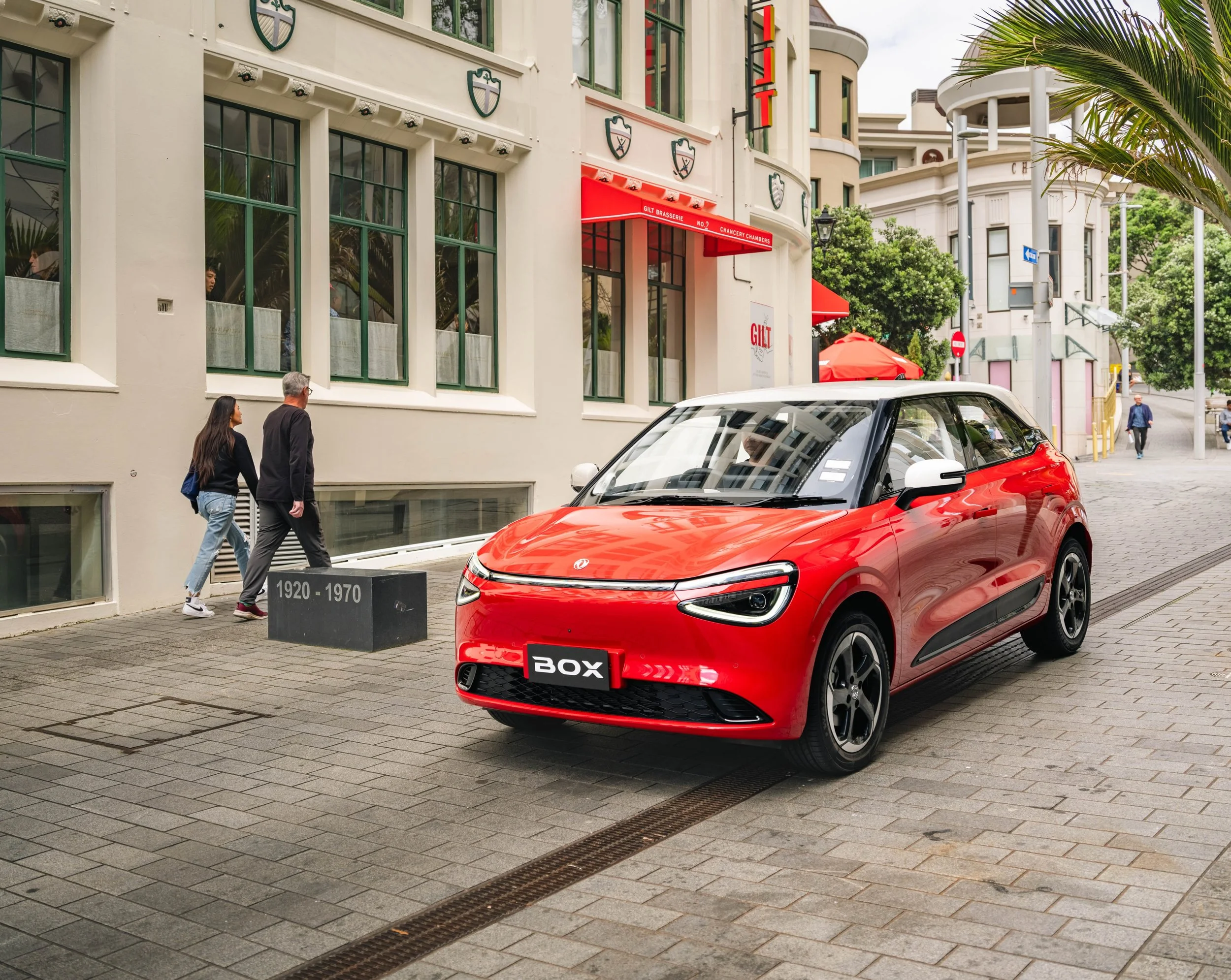
That’s a far more salutary score from Government transport watchdog than it delivered for Dongfeng’s first car, the Box city hatch (below) that landed late last year. NZTA Waka Kotahi has just decided Box warrants its lowest-possible VSRR credential.
The Box is high profile as it has positioned as New Zealand’s cheapest electric vehicle currently available. The Vigo is also chasing attention for being a budget buy - with a limited-time launch price of $37,990, it is being promoted as the value electric SUV in this country.
Attractive stickers help sell cars - but often, so do crash test ratings.
VSSR ratings, which lodge on the Rightcar.govt.nz website, are generally determined for cars that have not been subjected to the Australasian New Car Assessment Programme, an independent scorer based in Australia.
VSSR assessments are common for Japan used import cars in configurations that are not exported.
But Dongfeng also cops a VSSR consideration because it is one of the very few Chinese car brands here that does not also represent across the Tasman.
Notwithstanding the useful of VSSR, an ANCAP result remains the priority standard for consumers.
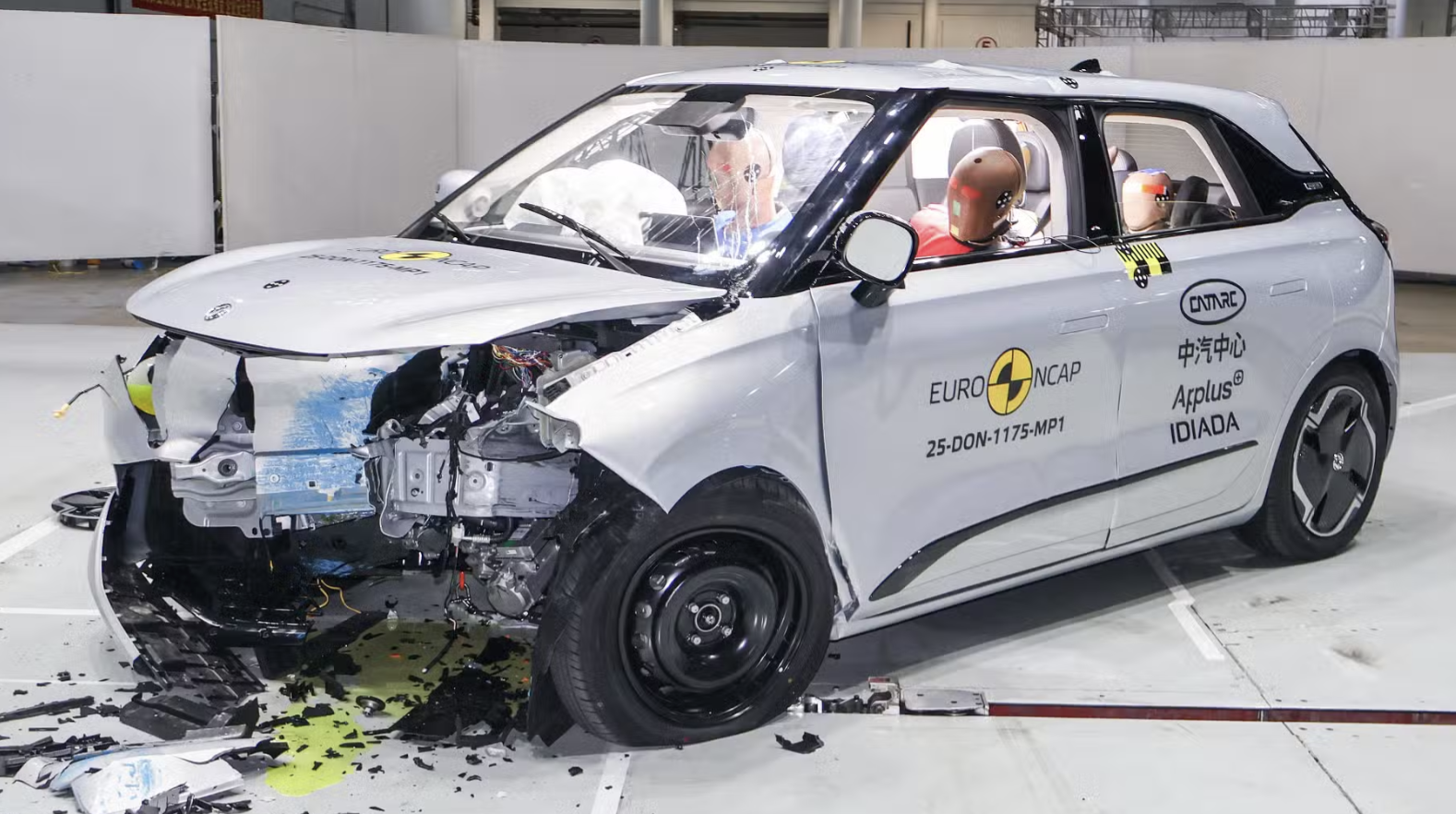
The Box was tested by European NCAP last year (below), and achieved a middling three stars out of a possible five. The safety auditor was concerned by it demonstrating a structurally unstable body, as spot welds failed. It also said an airbag deployed with insufficient pressure, causing head impact, and doors remained locked post-crash. Euro NCAP aired concerns about its real-world protection.
It has not been uncommon for ANCAP to adopt Euro NCAP scores, but in this case it will not. Because of airbag count.
The Box tested by Euro NCAP was specified with six airbags.
It has now been firmly established the Box being sold here has just two airbags, one in front of the driver and the other ahead of the front passenger seat occupant, and also absents some driver monitoring systems that go to Europe.
NZTA-attributed comment that this is “a lower level of crash protection than would normally be expected for a 2025 vehicle” could be considered understatement.
It has been many years since passenger cars sold new here configured without front and side airbags, with many also having curtain devices as well. Vigo has six airbags.
Because it does not match the specification of the vehicle tested by Euro NCAP, the NZ market Box has been designated “unrated” by both ANCAP and NZTA.
An industry magazine that revealed this last week believes this grading is significant.
Autotalk.co.nz says vehicles without a valid overseas crash rating typically receive a default five-star VSSR. For NZTA to decline to award this default rating to the Box is considered unusual.
Dongfeng distributor ADL, which is owned by Christchurch auto magnate Rick Armstrong, referenced Box in today’s share, but only in glowing terms, saying the city EV had enjoyed a successful launch.
ADL lists Vigo’s strengths as being “standout space, premium features and genuine versatility at an unmatched price point.”
The launch price only holds until end of April. Thereafter, the car climbs to $39,990. The introductory offer also includes a panoramic moon roof, which in normal circumstances is a $1500 option. Also optional are some paint hues, for $499.
ADL’s local boss, Simon Rutherford, says the Vigo will represent as “another example of Dongfeng breaking barriers to EV ownership.
“… there is no other small SUV in the market which offers this combination of premium features plus legroom and boot space without compromise. It proves that compact on the outside doesn’t have to mean cramped on the inside.”
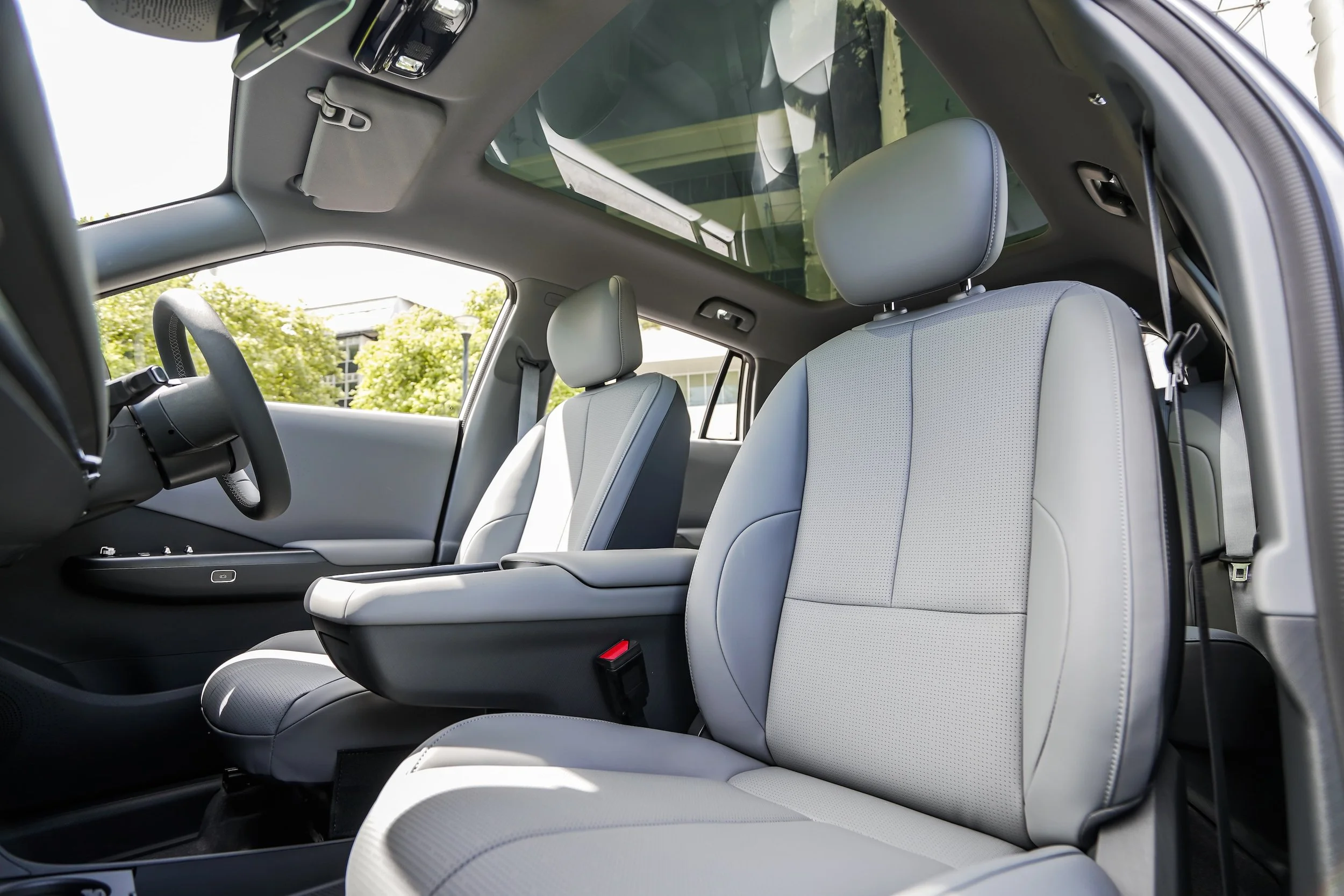
Vigo’s safety features also run to front and rear parking sensor, 360-degree surround-view camera, automatic emergency braking, forward collision warning, lane departure warning, lane keeping assist and intelligent adaptive cruise control. Those driving assists are calibrated to level two, which means they can allow modest semi-autonomy.
The boxy 4.3 metre long and 1.6m tall body brings a ‘Rubik’s Cube’ design philosophy that aims for generous interior space and a 500-litre boot.
The car has and Vehicle-to-Load (V2L) capability and a camping mode “that intelligently manages power to maintain the cabin at 25 Celsius while providing continuous power — even when locked — to help enjoy late summer evenings.”
The car runs on 18-inch alloy wheels, lhas eatherette trim, electric front seats, a heated and ventilated driver’s seat with welcome function, wireless Apple CarPlay (Android Auto Optional), wireless charging pad, a large 12.8-inch central touchscreen, 8.8-inch digital driver display, ambient lighting with 128-colours that react to music - and even an external speaker for out-of-vehicle use.
As previously reported, this model has a 51kWh battery capable of charging from 30-80 percent in 18 minutes and offering a WLTP driving range of 340km.
The model is backed by a six year/200,000km vehicle warranty, eight year/200,000 m battery warranty and six years’ roadside assist.
Dongfeng represents in Auckland, Wellington and Christchurch.