
Box safety improvements yet to be unpacked
/Dongfeng distributor says there’s no hiding from baby EV’s shortcoming. “It is what it is.”
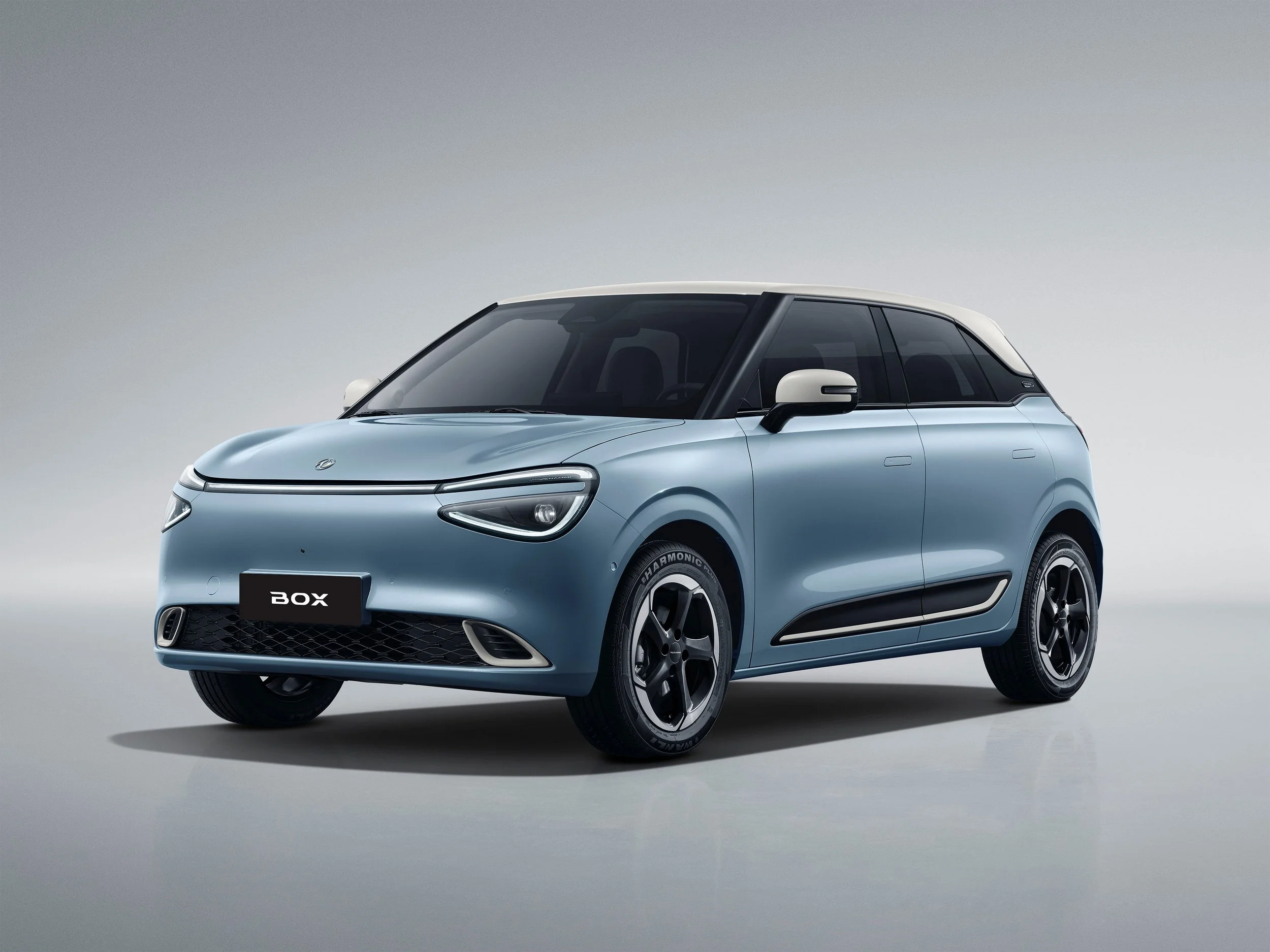
NOTHING to hide - and nothing fresh to say.
That’s the latest from Dongfeng’s national distributor in respect to the black safety cloud hanging over the baby electric Box.
The compact hatch presently sites as the country’s cheapest new EV is controversial for safety shortcomings.
As result the car holds an unpalatable ‘unrated’ standing from NZTA Waka Kotahi.
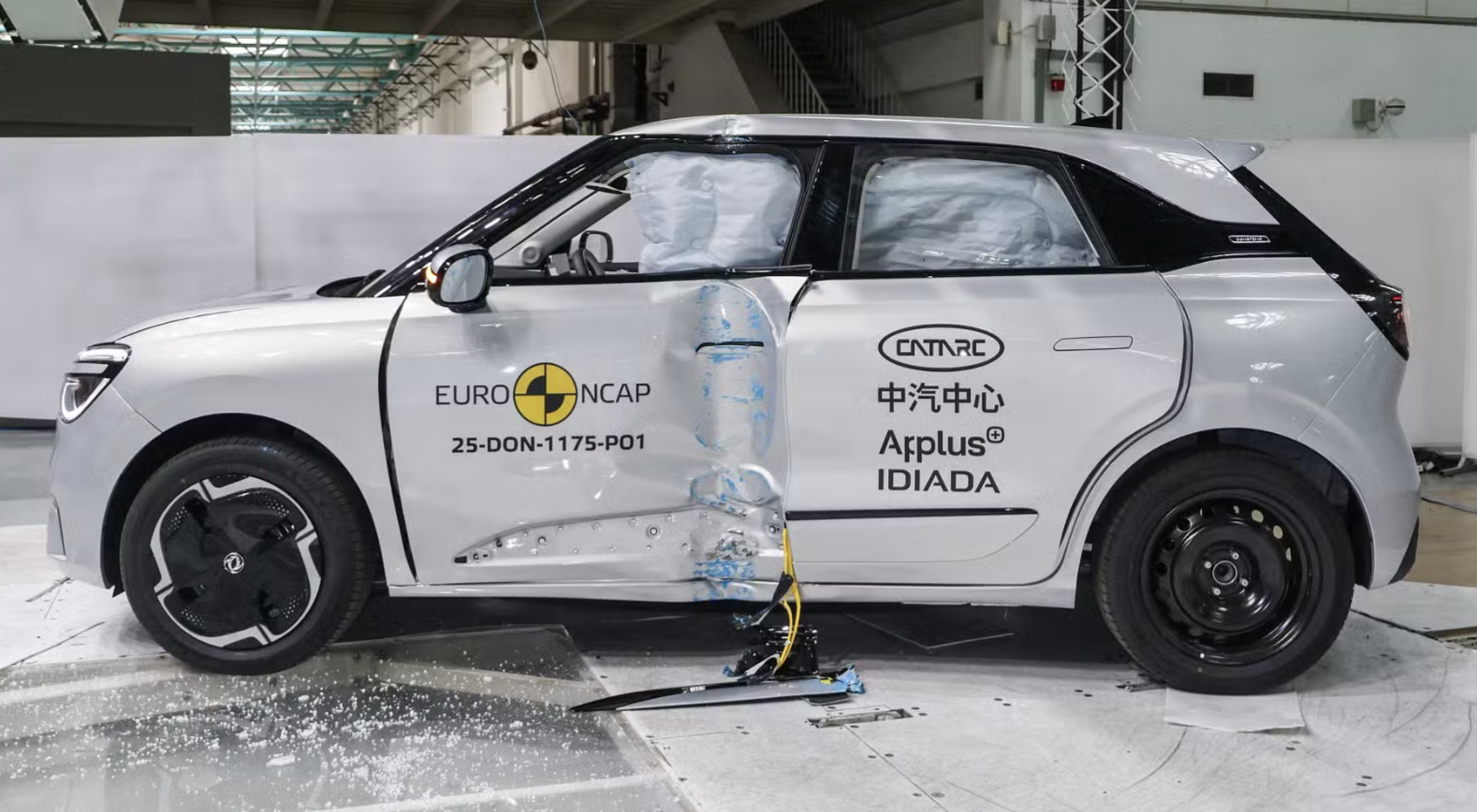
The designation is due to it selling here with a significantly reduced safety specification compared to the European version, which itself achieved a middling three star score from Euro NCAP.
Here it sells with just two airbags, frontal devices for the driver and front seat passenger - a light count not seen in new cars for years - whereas in configuration fr Europe it has six, a far more typical provision in the sector.
Last month national distributor Auto Distributors Limited expressed annoyance with the Waka Kotahi’s rating, which results from it being assessed by the Vehicle Safety Risk (VSR) scoring system, normally just for used import cars.
VSR asessment is far less rigorous than an ANCAP score, something the car lacks because it is not on sale in Australia.
The operation owned by Christchurch auto industry magnate Rick Armstrong, said then it is working to achieve the small city-centric model with more airbags, but cannot say when that might happen.
Confidence that the car’s other safety provisions are already good enough to reduce chance of occupant injury, or worse, in an accident was repeated at an event this week to launch two more Dongfeng EVs, the Vigo compact hatch and the high-performance 007 sedan.
ADL reiterated this week is has been in contact with the factory in China. It’s still unknown if reconciliation is possible, or when it might happen
Arguably, more than just extra airbags are required. European NCAP also raised concerns about the model’s structural integrity, in light of spot welds on the A-pillar failing in its test.
Doors also failed to unlock and airbags didn’t inflate fast enough to prevent the driver’s head striking the steering wheel.
At Wednesday’s media day, ADL chief executive Simon Rutherford said his operation was not shying away from the $29,990 car’s issue.
He said there has been ongoing discussion with the make’s head office, in Wuhan.
“I want to acknowledge up front the Box challenge,” Rutherford said.
“There's nothing to hide. It is what it is.
“It wasn't deliberate, and we're getting great support to work through that with Dongfeng, proving their partnership and their willingness to to support us and to make sure that we progress right in terms of our strategy.”
Last month ADL said it could not achieve the car with the side and curtain airbags that come in left-hand drive, but added it nonetheless has had no qualms about putting it on sale.
Asked what factors determined ADL being happy to sign off nonetheless, a spokesperson said then it came down to the model still having a host of active crash avoidance technologies - all of which act to prevent an incident, rather than involve at moment of a crash, where airbags remain a primary tool for ensuring occupant wellbeing.
The spokesperson then said the spokesperson said initial publicity about the NZTA jarred, because it inferred that the safety rating it holds is akin to one it has not been assessed for.
“It (the coverage) infers that the Box has zero stars rather than it being unrated.”
Zero stars is the lowest possible rating meted by ANCAP/NCAP.