
Electric-assist Cannon fires up sector
/Status as country’s cheapest PHEV ute established, actual efficiency still to be ratified.
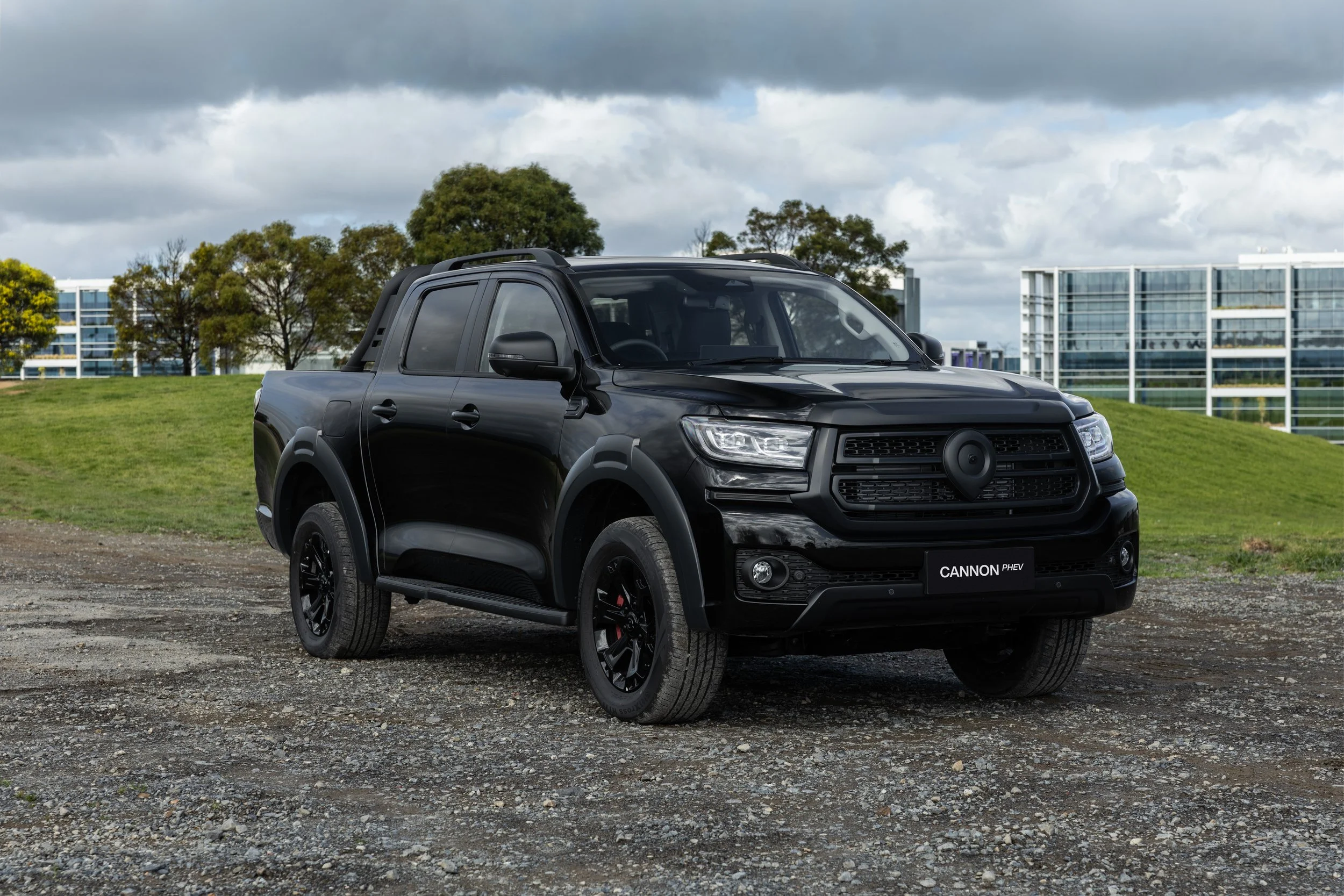
CONFIRMATION GWM’s entry utility has placed as the least expensive one-tonner here with plug-in hybrid assistance is clouded by the make still not providing clear evidence of how far it can run on electricity alone.
In sharing local pricing and specification details for the Cannon Hi4-T PHEV, and confirming it will be on sale within weeks, GWM here has also had to issue regionally-supplied efficiency data that does not meet NZ expectation.
Because GWM’s regional base is in Australia, it relies on the NEDC scale that is still accepted there, but has been firmly superseded here by a more accurate measurement, WLTP.
GWM management here and in Australia are well aware of the situation, but nonetheless continue to deliver just NEDC data.
NZ authorities began changeover to WLTP six years ago but have never censured distributors for sticking to NEDC. Likewise, some NZ publications continue to promote NEDC data without question.
In this case, an electric-only driving range of up to 115km and an overall range of 1037 kilometres from the petrol-electric drivetrain is attested. Official fuel consumption is cited as 2.4 litres per 100 kilometre.
If WLTP was used expectation would be the electric pure range would drop to as low as 80 kilometres - which is still double that from a Ranger PHEV - and that the combined range might well be in the mid to high 900s.
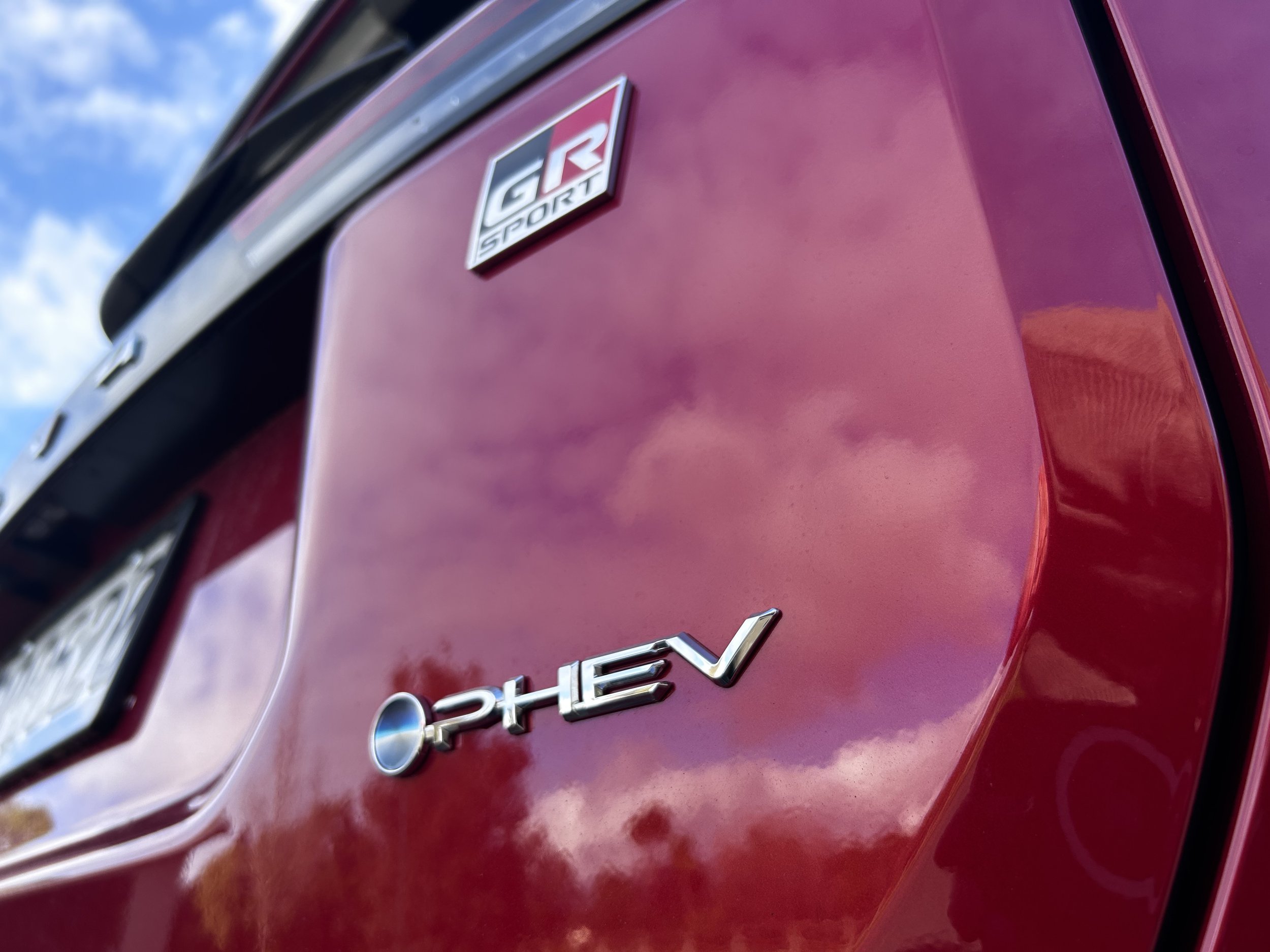
In real-world driving, figures might be quantifiably less. For example, the Toyota RAV4 PHEV GR Sport, for which an electric range of 144 kilometres is claimed under NEDC (and 112kms’ under WLTP figures for a derivative sold in the United Kingdom), produced 78kms’ battery-pure operability when trialled by this writer.
GWM’s double-cab provisions as a Cannon Hi4-T Lux priced at $58,990 and in Cannon Hi4-T Ultra for $62,990.
That makes the entry format a cheaper consideration than others of this ilk, a title nabbed from the JAC T9 PHEV, which remains most competitive on price, at $59,990. Then it’s a big jump to the Ford Ranger PHEV and BYD Shark 6, which respectively kick in at $74,990 and $78,990.
In configuring with this technology, GWM becomes the first brand here with PHEV utes in two sizes, with the alternate here being the pricier Cannon Alpha.
With Cannon power comes from a 2.0-litre turbocharged petrol engine paired with GWM's proprietary Hi4-T intelligent hybrid system and a nine-speed hybrid automatic transmission.
The engine makes 180kW of power and 380Nm of torque and an electric motor adds a further 130kW/495Nm for total combined outputs of 310kW/750Nm.
DC fast charging with peak upload of 110kW replenishes the 33.1kWh battery from 30 to 80 percent in 18 minutes. Handily, it has integrated Vehicle-to-Load (V2L) capabilities, providing up to 6kW of discharge power through 230V outlets located in the rear tub.
The Hi4-T retains traditional body-on-frame four-wheel-drive mechanical hardware, including a low-range transfer case and an electronic rear differential lock working alongside the electric drive system.

Towing capacity is rated at a maximum of 3500kg braked and 750kg unbraked, with a payload capacity of 835kg, it has 232mm of minimum ground clearance and a 500mm wading depth.
The Cannon types have a black exterior styling package delivers the 18-inch alloy wheels, grille, side steps, roof rails, mirror caps and sports bar in that hue.
It delivers a 15.6-inch high-definition central touchscreen running Coffee OS with over-the-air update capability, alongside a 10.25-inch digital instrument cluster and wireless Apple CarPlay and Android Auto support.
The Ultra grade adds red brake callipers, a tailgate step, an electronic sunroof, leather-accented upholstery, heated power-adjustable front seats, a heated steering wheel, ambient lighting, an auto-dimming rear-view mirror, front parking sensors, and a 360-degree camera system.
Cameron Thomas, GWM New Zealand country manager, says the model should be seen as representing “a practical step forward: the ability to drive on electric power during the week, while retaining the towing, touring and off-road capability Kiwi ute buyers expect.”