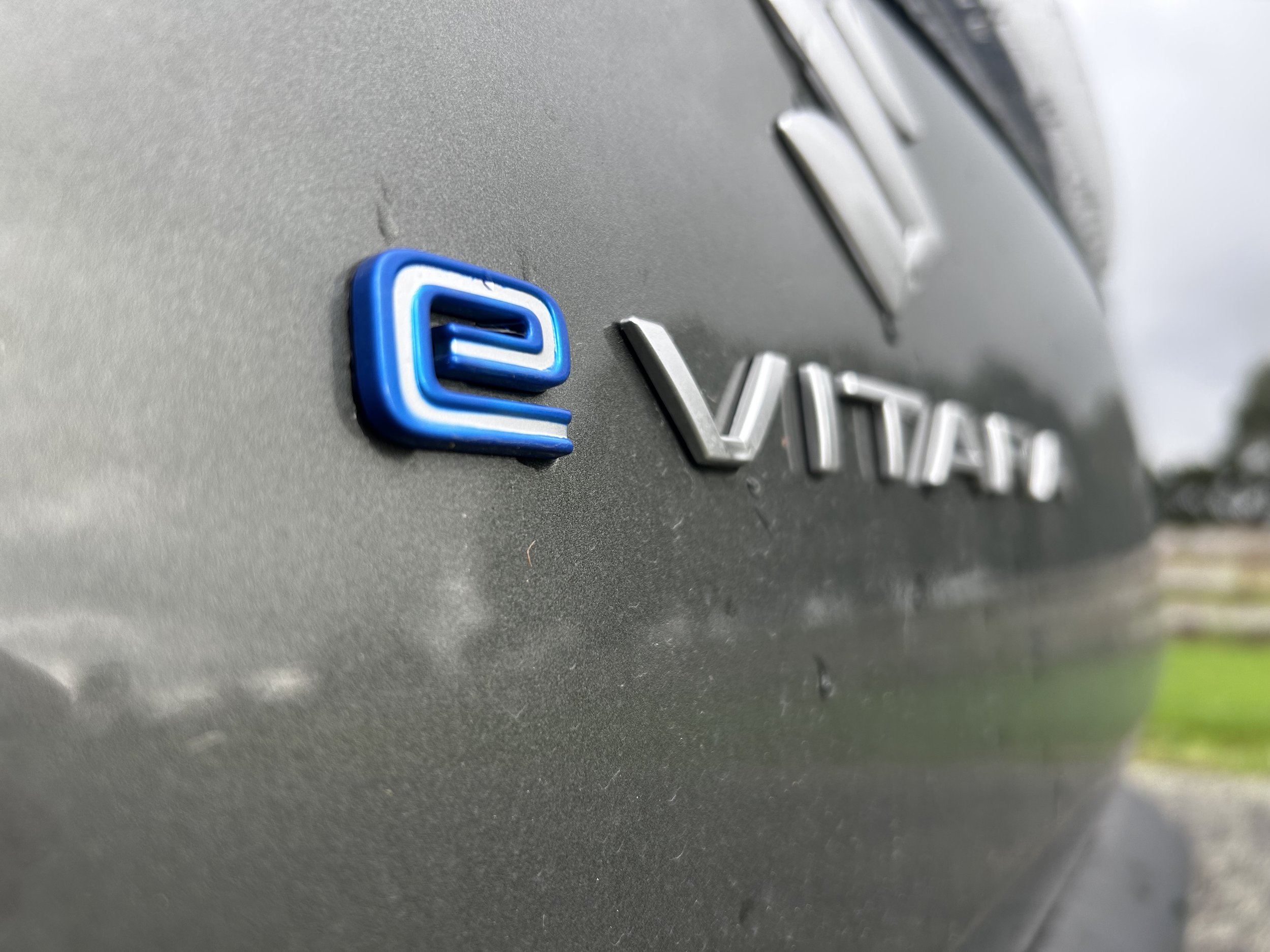

Ford’s NZ-bound China cars rile Trump
/A regional plus here, the Blue Oval’s deal with JMC is a Sino sore point Stateside.
SIGN-UP of China-made product has indirectly drawn Ford New Zealand into a political stoush in which its parent’s patriotism has been questioned.
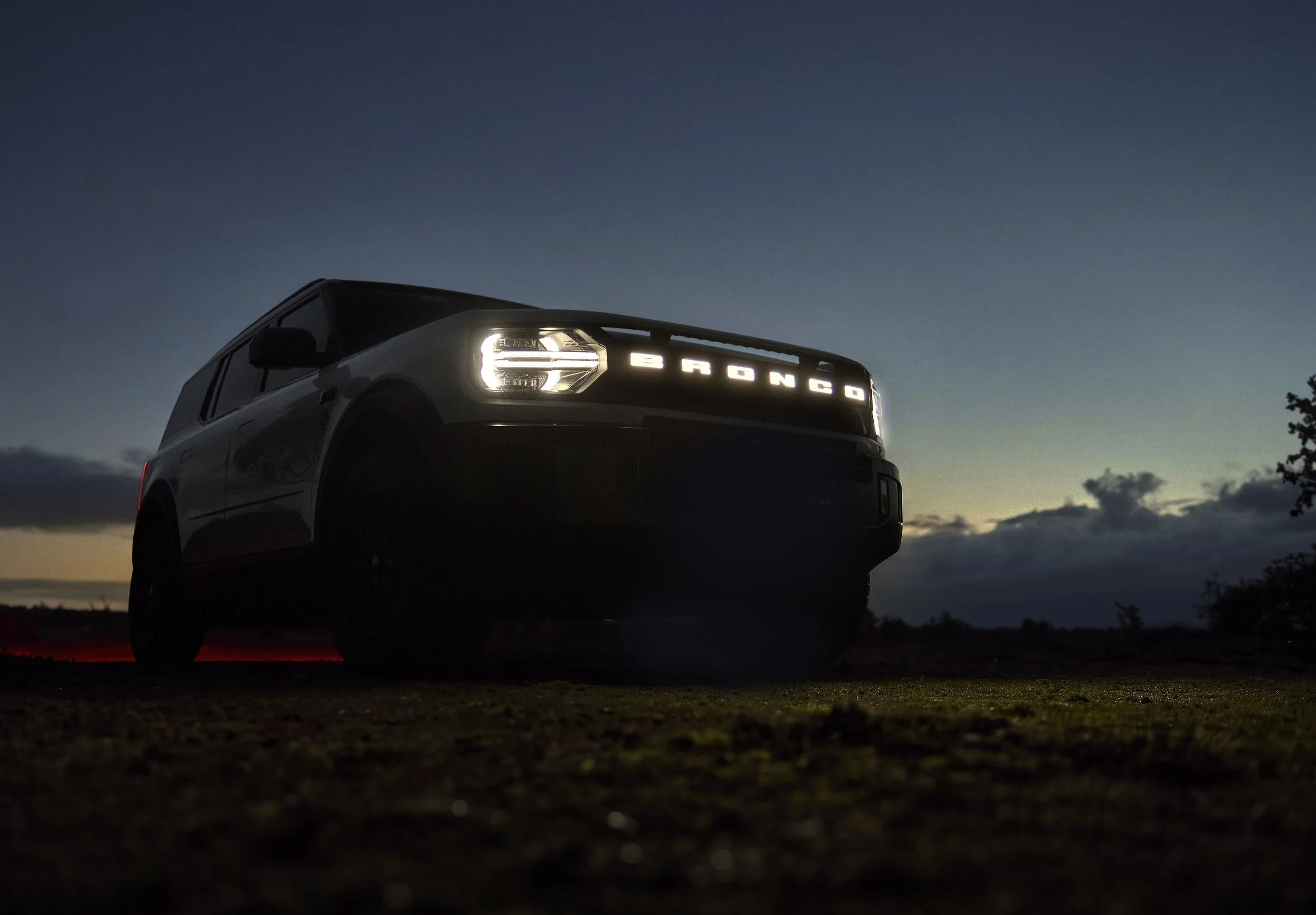
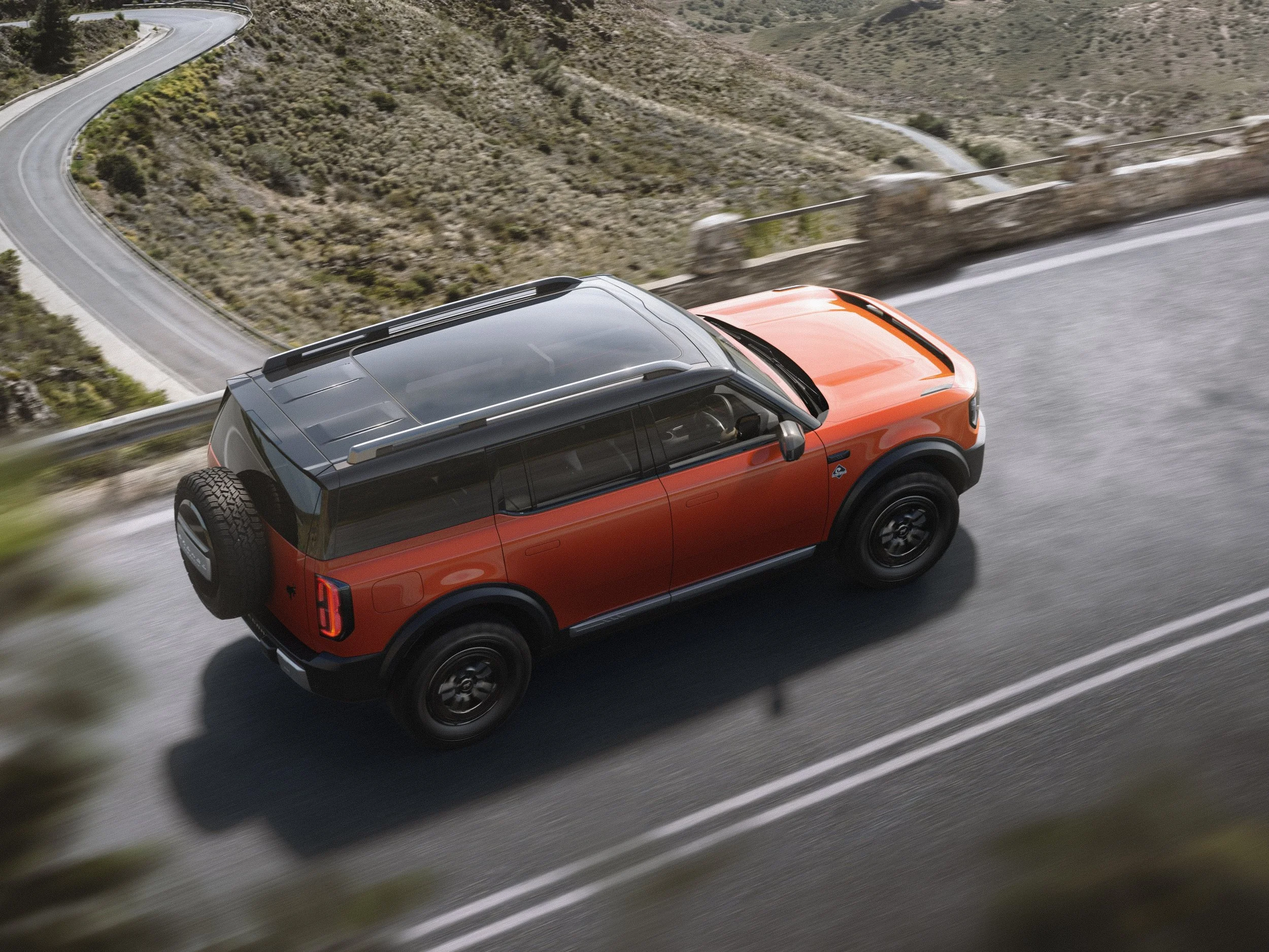
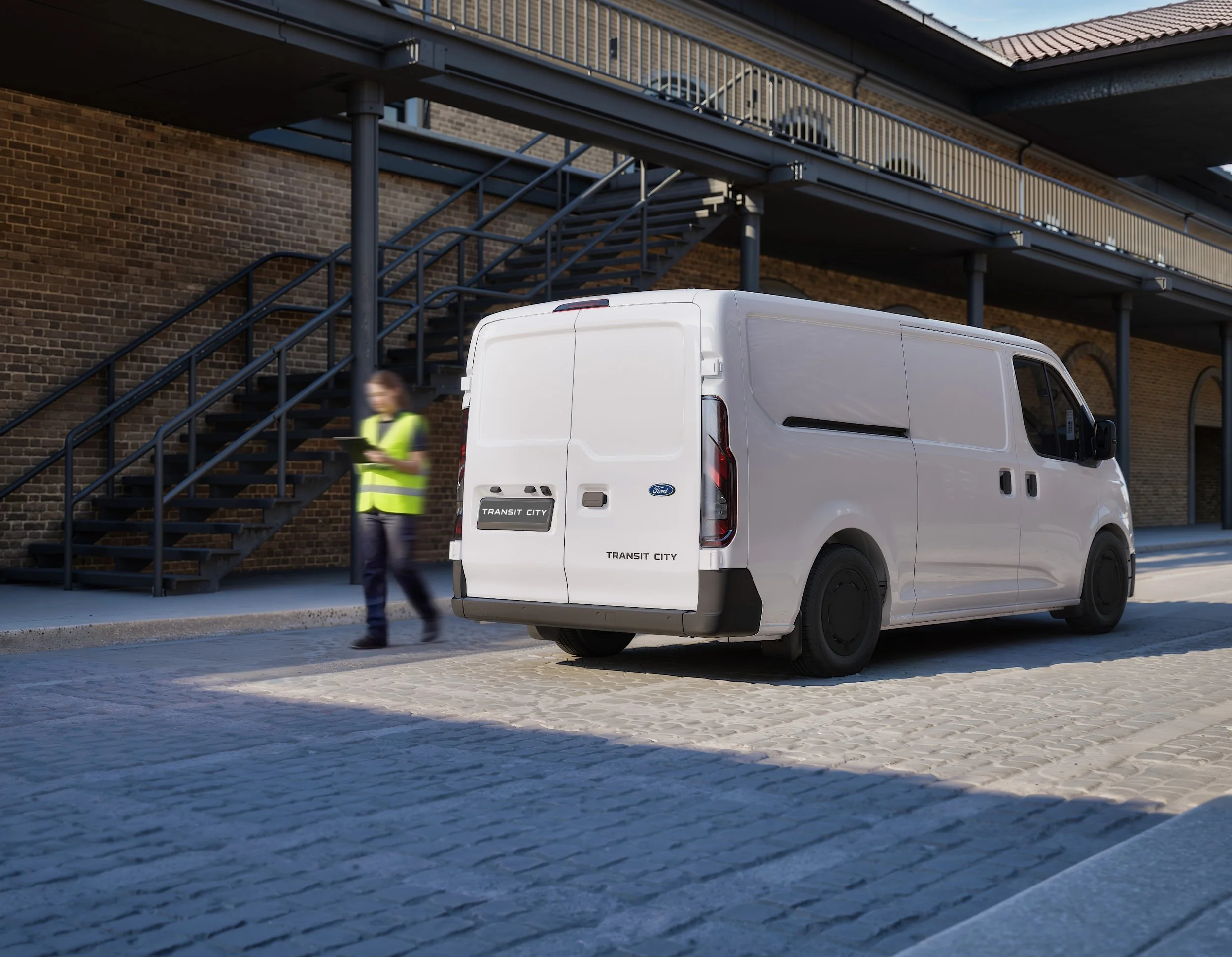
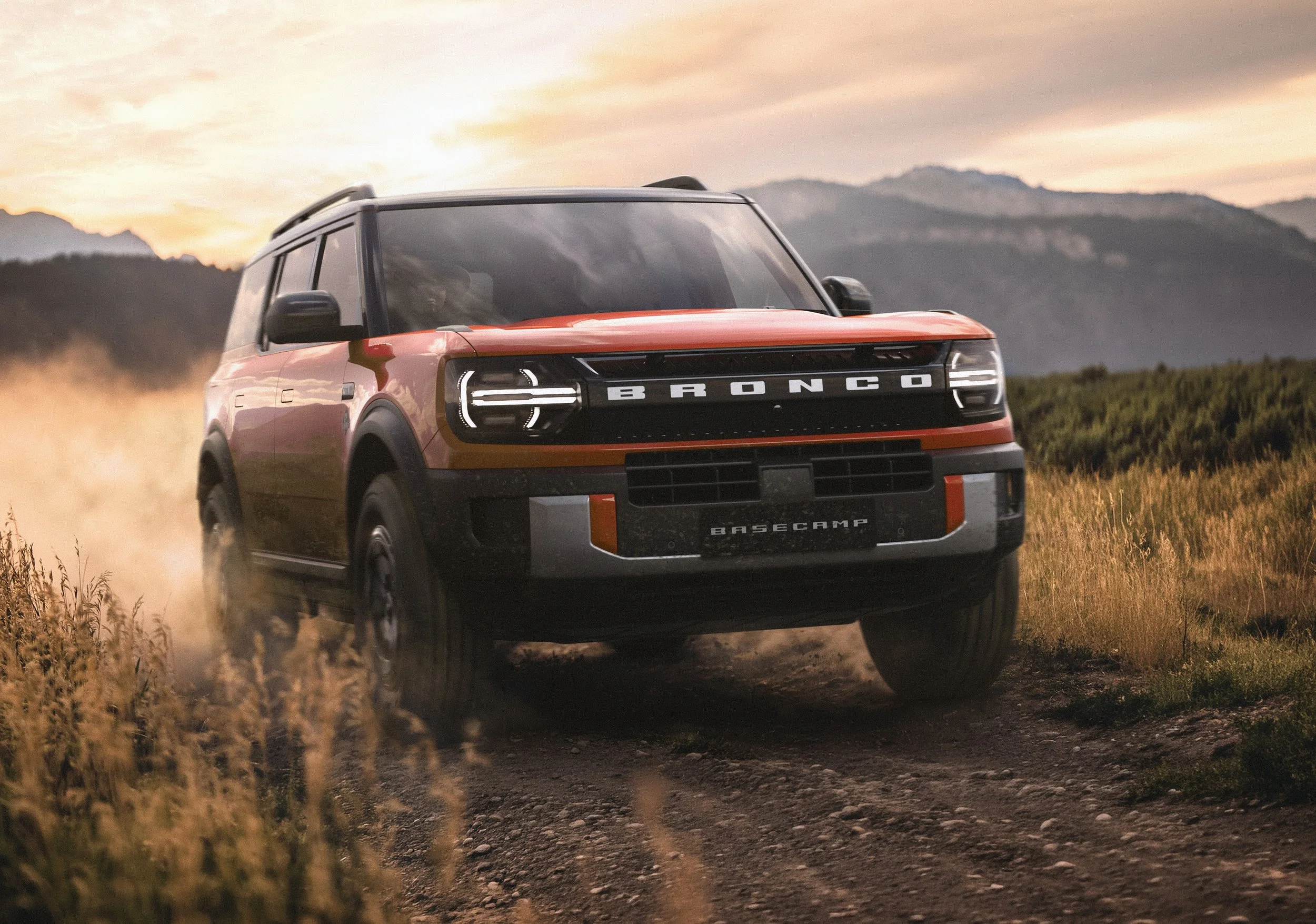
Intent announced yesterday to sell a range-extender hybrid Bronco Basecamp sports utility and fully electric Transit City van that are entirely engineered and built by Jiangling Motors Corporation (JMC) in Nanchang could be just the start of Ford’s reliance on China-sourced product.
Reported comment from Ford New Zealand and Australia president and chief executive Fadi Mawal has left impression more products will be sourced through the Blue Oval’s expanding Chinese partnerships, not least with JMC, in which Ford owns approximately 32 percent.
They have been together for three decades, initially in commercial vehicles before broadening the partnership into passenger and SUV products.
However, this and other tie-ups have become a massive upset for US president Donald Trump’s administration, which chose overnight to heavily criticise Ford for having Sino-centric arrangements to source everything from raw materials and batteries to entire vehicles.
It’s unlikely the JMC product is being contemplated for the US - in case of the NZ-bound Basecamp, that seems particularly remote, as the US has its own, in-house-developed Bronco sharing nothing but a common badge.
Yet a ban on sale of any car from China, that has now exempted Polestar from the US, has also not inhibited Ford from manufacturing Lincoln Nautilus vehicles there for the US market.
When it comes to China-sourced components, Ford says it would be highly tricky to do without. Aside from operating multiple joint ventures with Chinese carmakers in that country, it has various other ties, including a new partnership with Geely that will result in a new co-developed model for Europe. It is also licensing lithium-iron phosphate (LFP) battery technology from CATL.
Nonetheless, that has cut no ice with US Transportation Secretary Sean Duffy.
He has sharply criticised Ford Motor's business with Chinese automotive firms, saying the company's “reliance on technologies of foreign adversaries” isn't sustainable for America. He wants Ford to quit the Lincoln deal.
“While DOT recognises the intense competitive pressures of the global market, the company's recent strategic decisions paint a troubling picture of a foundational American brand actively intertwining its future with Chinese state-backed enterprises," Duffy said in a letter to Ford Chief Executive Jim Farley that has just been made public.
Duffy added that these moves “challenge the spirit of American national and economic security and supply-chain independence policies. In addition, Ford's joint venture with Geely in Spain helps strategic adversaries secure a vital foothold in Western markets and the Company's ongoing talks with BYD for hybrid vehicle components could lead to further embedding subsidized foreign technology into Ford's core supply chains.
“Furthermore, the framework you proposed at the Detroit Auto Show to facilitate Chinese joint ventures on United States soil, alongside delaying the reshoring of Lincoln models like the Nautilus until 2030, leaves an unacceptable, multi-year window of reliance on Chinese manufacturing while depriving skilled American workers of vital manufacturing jobs.”
In covering the issue, industry on-line publication Jalopnik noted “it's all but impossible to build a car entirely from raw materials to a functioning vehicle in the US, using only US workers and components, the way the Trump administration wants. Calling out US automakers for using cost-effective suppliers is only going to hurt price competitiveness long-term.”
Ford was swift to issue a response, stating that “Secretary Duffy’s letter is a wrongheaded attempt to capture headlines at the expense of a company that has done more for American manufacturing than virtually any other in the nation’s history.”
Availability of the Bronco Basecamp and Transit City here comes from Ford and JMC having moved to use their Chinese engineering and manufacturing operations as an export base.
Ford regionally sees obvious benefit from accessing competitively priced electrified products without developing them independently for comparatively small markets such as NZ and Australia.
Ford regionally has shared opinion that a global footprint including “new markets such as China” will help endeavour to bring customers greater choice and value at speed.
Marwal told the GoAuto website that ability to source models internationally will become increasingly important as Ford here attempts to broaden a portfolio presently dominated by Ranger and Everest.
“As a global company, we can bring in the best products from around the world to look after our Aussie and Kiwi customers,” he said, while stressing that Australian engineering would continue to lead global Ranger and Everest development.
“Our future direction is clear – greater choice for customers, deeper loyalty to the Ford brand, more foot traffic into our dealerships and a much more diverse line-up to sell.”
The Transit City is a one tonne (payload) battery electric van here after November with a claimed driving range of up to 254km combined, increasing to as much as 380km in urban-only operation. DC charging from 10 to 80 percent is claimed to take 33 minutes, while a 10-minute fast-charge can add approximately 68km of driving range. It offers up to 6.4 cubic metres of cargo space and a maximum payload of 1085kg, while equipment includes adaptive cruise control, front and rear parking sensors, a reversing camera, keyless start, and air-conditioning.
Due in the second half of 2027, Bronco Basecamp is an entirely different proposition from the North American Bronco.
Rather than the ladder-frame T6 architecture shared with Ranger and Everest, it is a five-seat monocoque SUV developed with JMC specifically around electrified powertrains.
Ford here will sell just the extended-range electric vehicle version, which combines battery-electric propulsion with a petrol engine used to generate electricity when required.
Though almost as long as an Everest, the model aims at the medium SUV sector Ford has not been in for almost three years.
Regardless of the new reliance on China, Marwal has reiterated that Ford is not abandoning the Australian-developed products on which its local success is built.
Development of Ranger and Everest will continue to be led in Melbourne and he reminds $A5 billion has been invested in Australian research and development during the past decade.