
McLaren rebranding enforces humble NZ roots
/Signage for the Remuera garage run by team founder’s parents has inspired logo change for the road car and racing operations.
LATEST revision of the McLaren word mark has occurred, with the new choice being inspired by the founder’s family garage in Auckland.
What kicked off as Bruce McLaren’s Formula One racing team in 1963 still competes in the sport, and this rebranding will transfer to that endeavour, but it is firstly specific to McLaren Automotive.
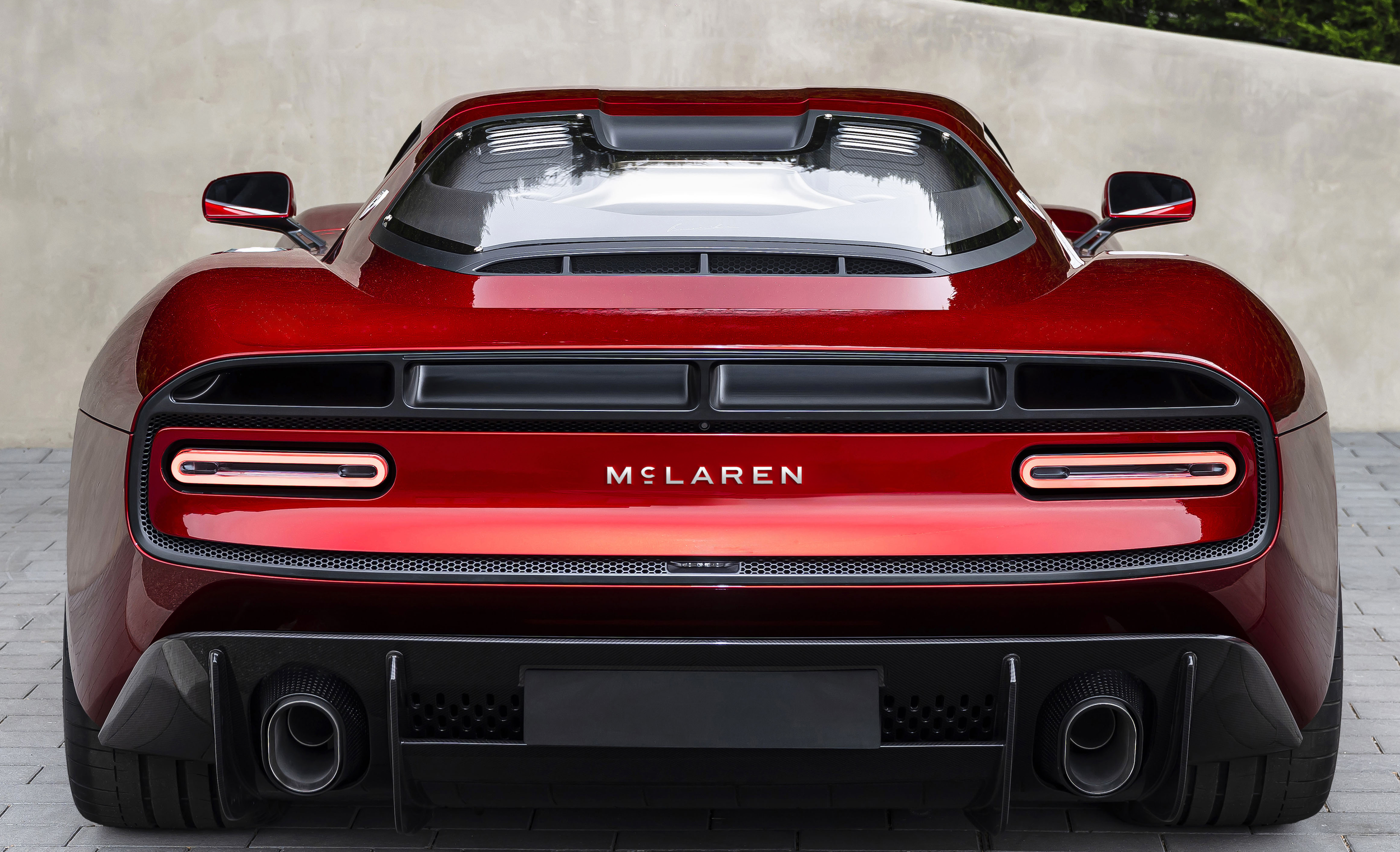
That’s the car-making offshoot which has so far dedicated to low-slung two-seater sports and supercars but is soon to add a performance sports utility, akin to the highly successful Porsche Cayenne.
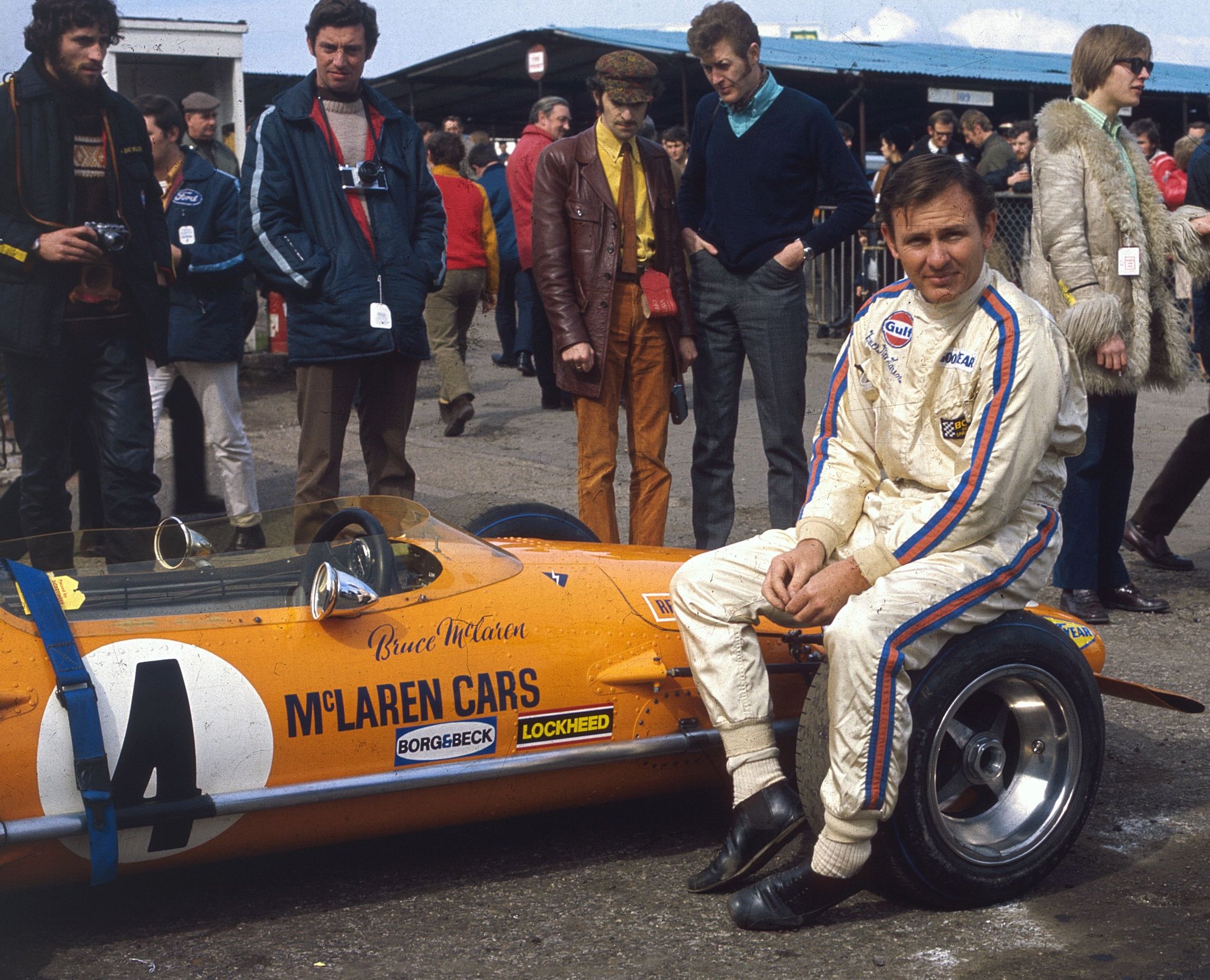
McLaren Automotive says its latest branding, unveiled overnight, was a deliberate enforcement of the legacy of its founder, one of New Zealand’s early motor-racing greats who tragically died in 1970.
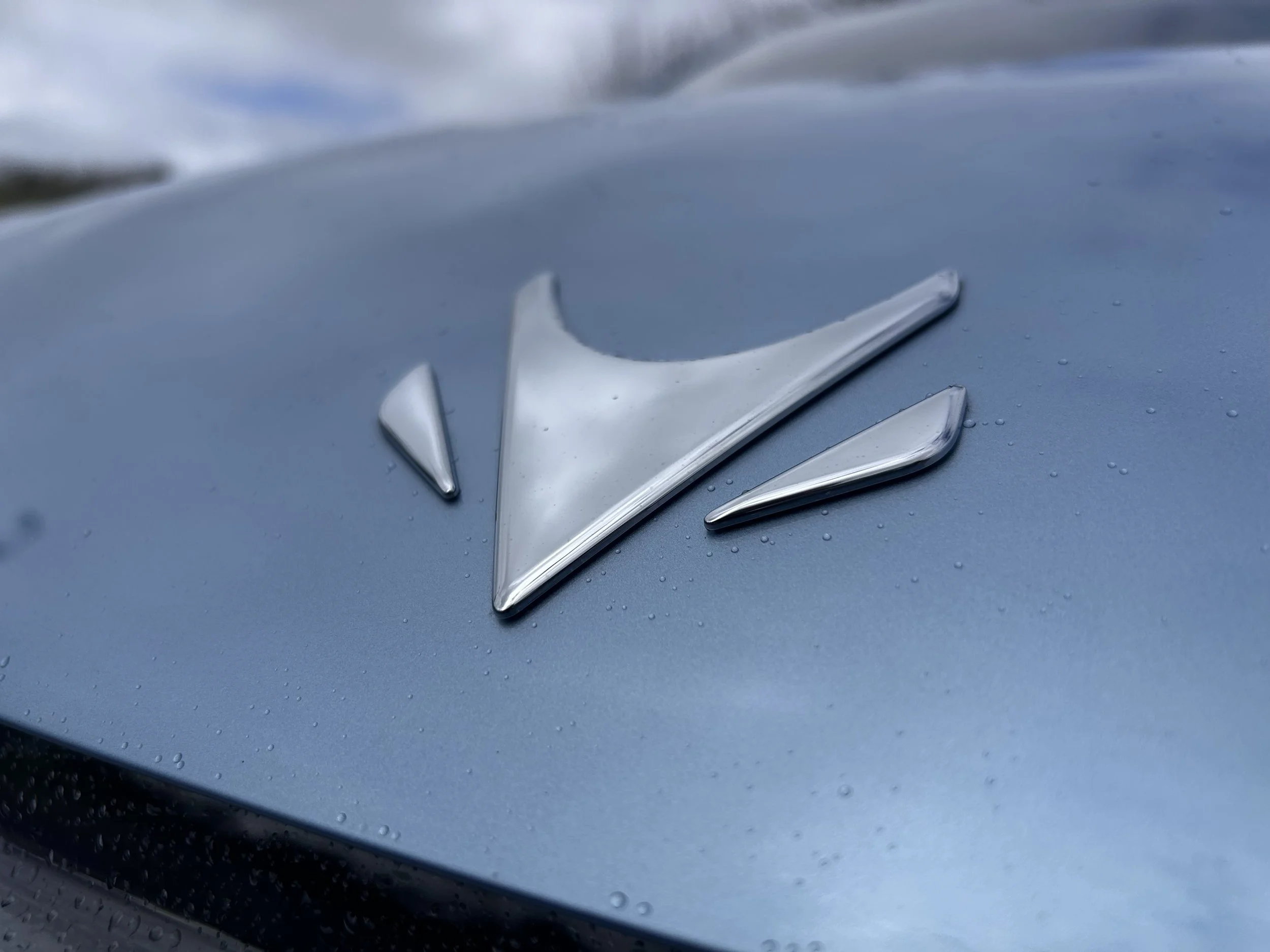
The new logo divests the red streamlined ‘Speedmark’, which has always been disputed - some holding that it shaped to reference a Kiwi, which had been an original usage, and others saying that ideal is misconstrued. However, the speedmark is not being retired.
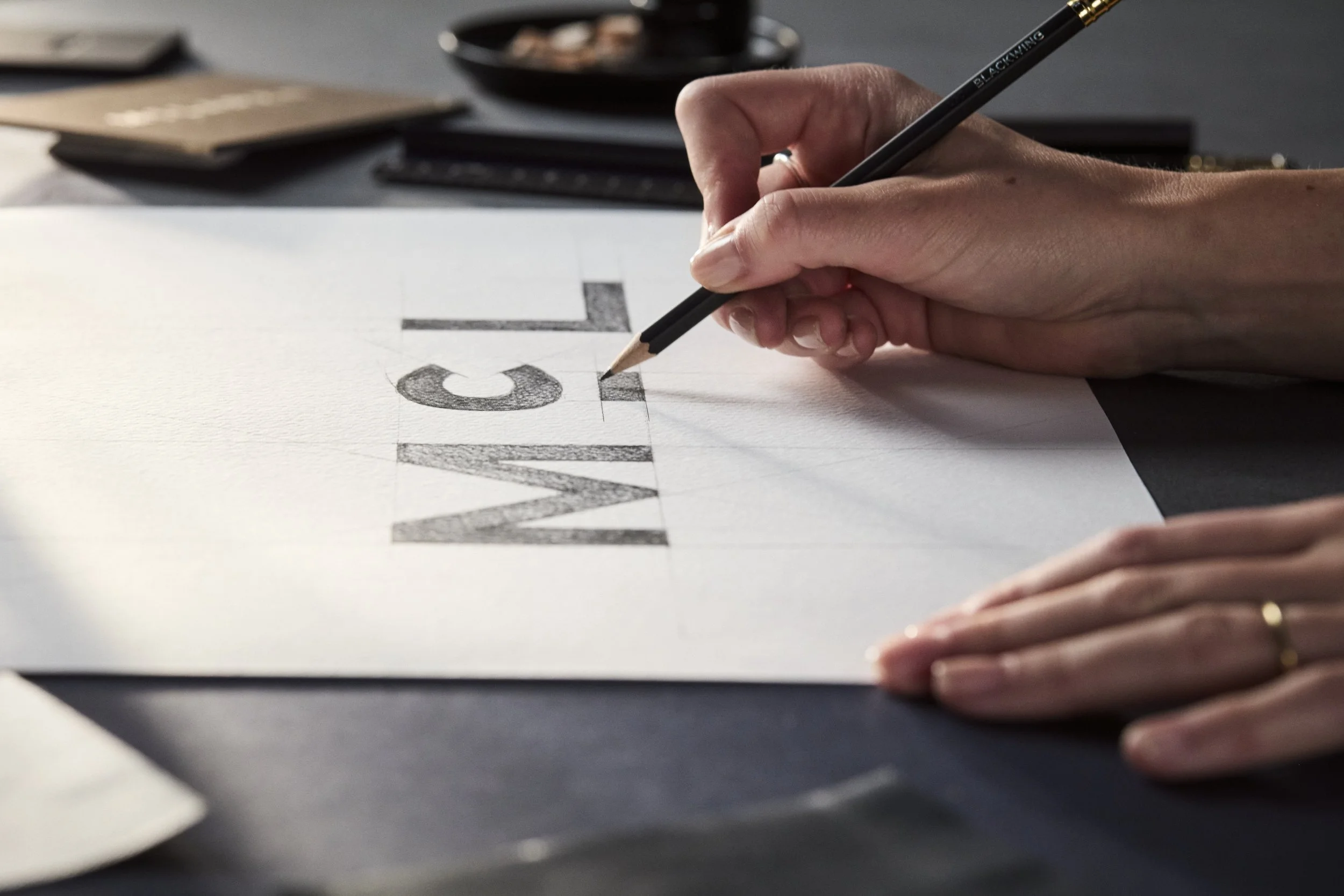
Either way, the new design does have historical context by running the McLaren name in full capital letters, with a small ‘C’ lifted by a line underneath.
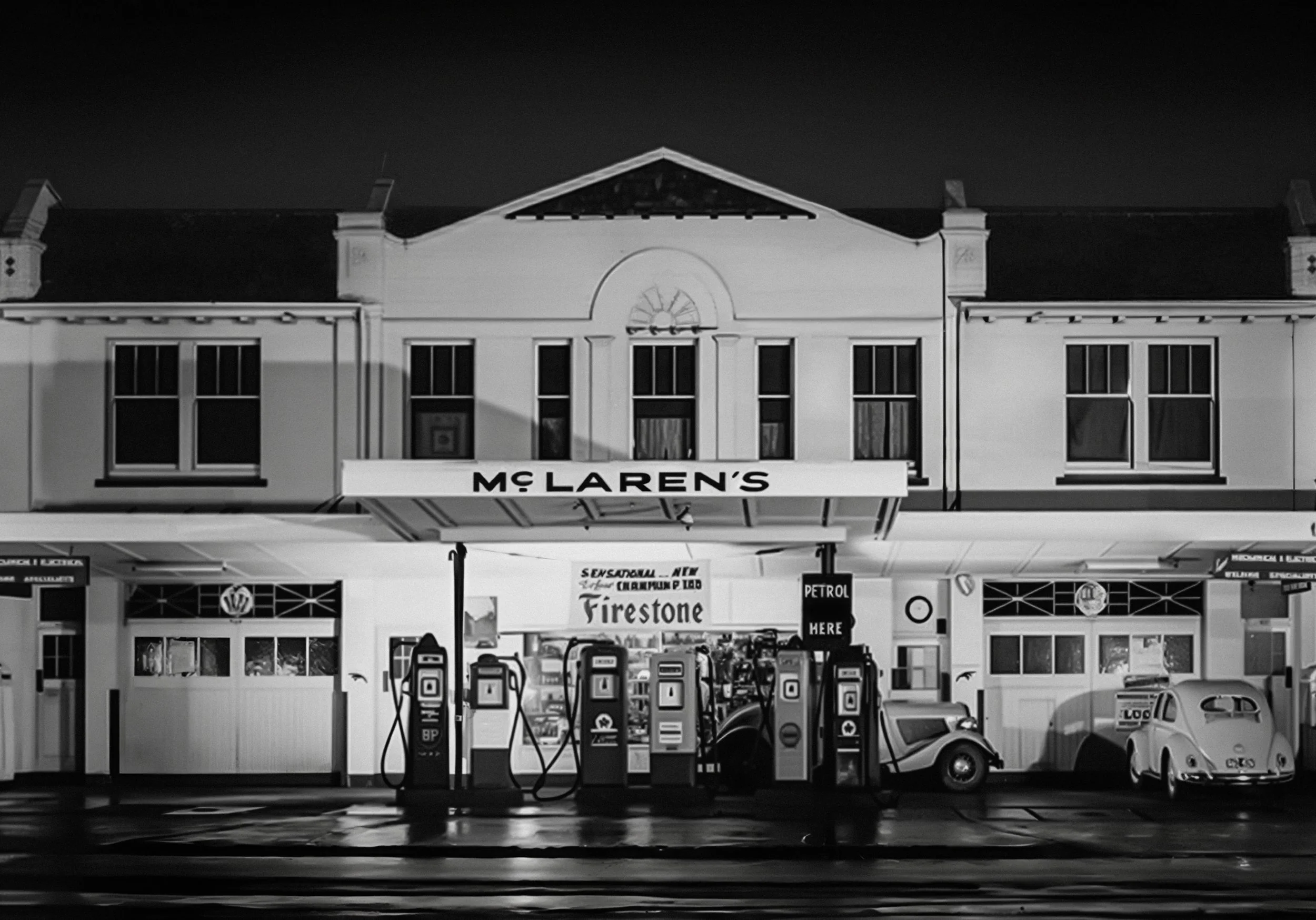
That, the make says, is direct homage to the hand-painted ‘McLaren’s’ text from the awning over the McLaren family’s original service station in Remuera, Auckland — complete with the little line underneath the ‘C’.
The garage was run by Bruce McLaren's father Les from 1936, and the family lived in a flat around the corner, and it was where McLaren first cut his teeth as a young mechanic.
The font is a new typeface, suitably called ‘McLaren Sans’.
In shared comment today, the make said the “evolved identity” is designed to support a wider expression of McLaren ownership and fandom, “one that extends beyond exceptional products and success on track to include deeper personalisation, richer experiences and an even stronger sense of community.”
It says McLaren Racing and Automotive teams started by drawing on their shared archives to explore the symbols, stories and design details that have defined McLaren from Bruce’s earliest years in New Zealand to the global brand of today.
“At the heart of the identity is a new McLaren wordmark, inspired by the sign above the family service station.
“Owned by Bruce’s parents, Les and Ruth McLaren, it was where Bruce built the car that would take him to his first racing victory.
“Recrafting that identity for today, it reconnects McLaren with its origins while giving the brand a confident visual language for the future.”
McLaren says the Speedmark, one of McLaren’s most recognisable symbols, remains at the heart of the brand.
“Its continued presence reflects the value of continuity and its enduring significance to fans around the world. Papaya also remains a defining element, now joined by an expanded colour palette inspired by pivotal moments in McLaren’s history.
“The identity also retains the Speedy Kiwi, honouring Bruce McLaren’s New Zealand roots and its longstanding place in McLaren’s history.”
The reveal follows a series of what the brand has described as “storytelling moments” throughout 2026 that have amplified McLaren’s origins and the ideas that continue to shape its future.
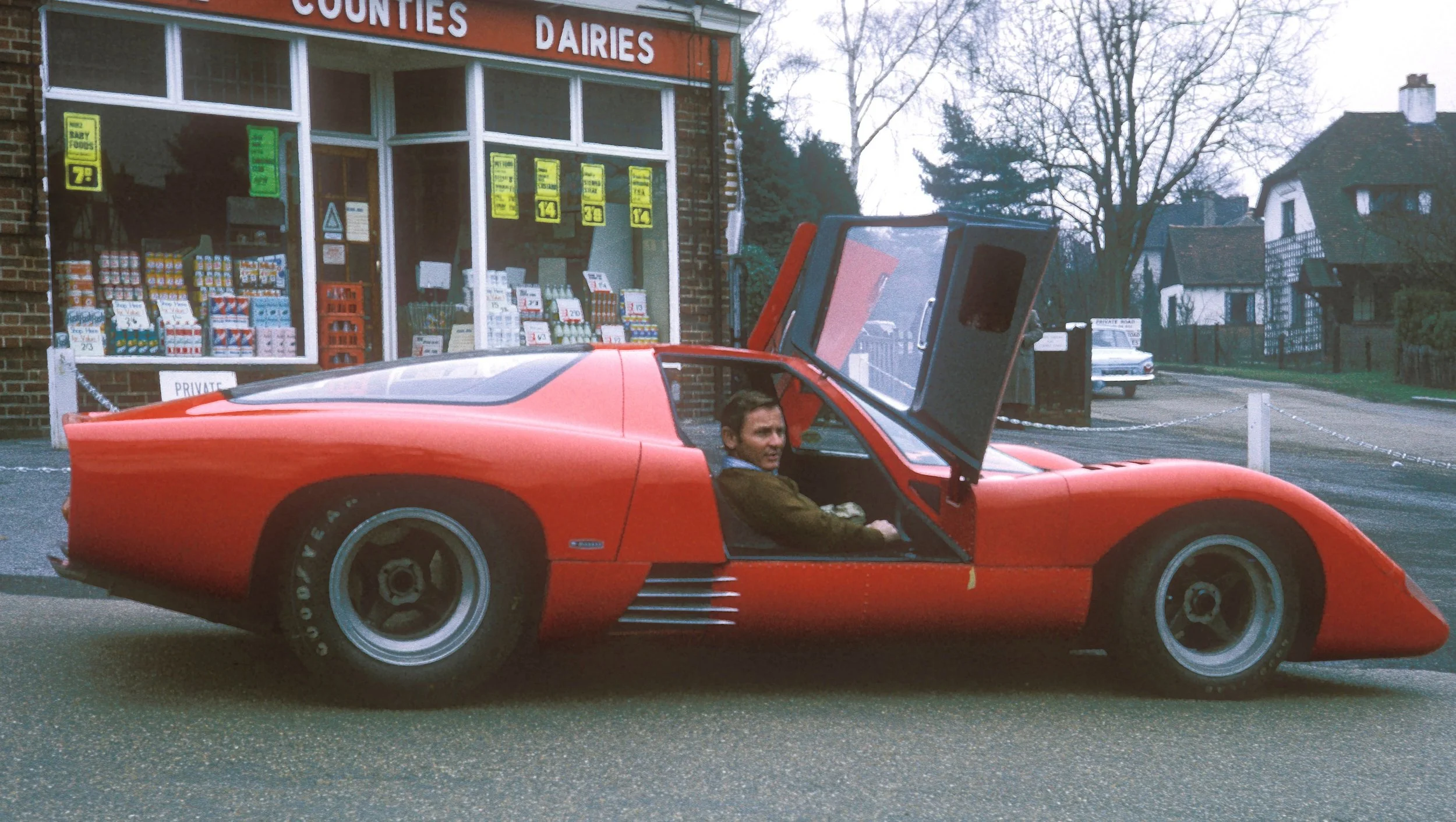
These include a renewed focus on Bruce McLaren’s story, from the celebration of the M6GT - with a modern recreation of the the founder’s original road car proposal, the McL 6GT, recently revealed at Monterey Speedwell in California.
McLaren Racing has recently celebrated racing in its 1000th GP in F1 and also announced its Hypercar challenger in World Endurance Championship. It has won 23 F1 world championships, more than 200 F1 Grands Prix, the Indianapolis 500 three times, and the Le Mans 24 Hours at its first attempt.
McLaren Automotive recently confirmed plans to expand its UK manufacturing and engineering footprint through a £500m investment programme, supporting the next phase of its long-term growth including expanding beyond two-seater sports cars with an upcoming SUV.