'Rangerok’ - making the best even better

The VW-Ford ute twinning programme will be a win-win for Kiwis.

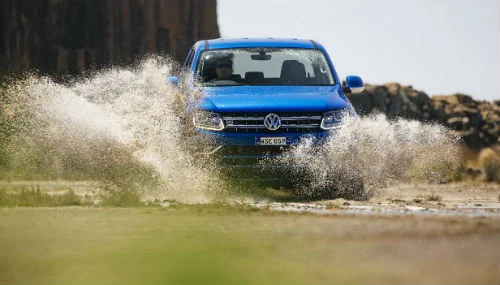
Ranger, above, and Amarok coming off a common platform will be a win for both, their distributors suggest.

Ranger, above, and Amarok coming off a common platform will be a win for both, their distributors suggest.

3FB61427-6075-4C41-A872-ABD0263B3644.JPG

SLEEPING with the enemy will deliver exciting potentials and no obvious problems.

 That’s mutually-held thought from Ford and Volkswagen’s national distributors in response to additional information about the parent brands’ commercial vehicle marriage of convenience that has particular repercussion for the country’s favourite one-tonne traydeck.

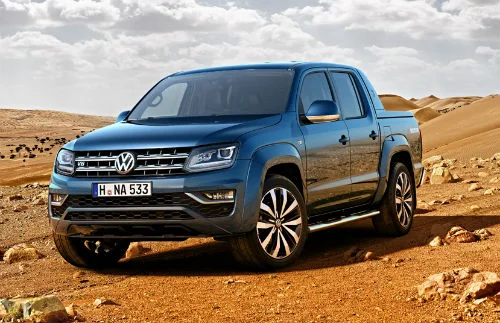
Probable release next year of a new Ranger, followed from the start of 2022 by a new Amarok heavily based on the new Ford, is just the opening shot in the makers’ agreement. 

Volkswagen will also lend Ford its MEB electric vehicle and Caddy van architectures in exchange for a foot in the door with US automated drive pioneer Argo A1 (in which Ford has a stake) and the brands will share a one-ton commercial van platform in a deal that will deliver up to eight million vehicles.

The probability of all these undertakings creating impact on the Kiwi scene seems high.

However, in the here and now, focus is on the utes and, given their huge popularity here – not least for Ranger, the Kiwi choice for five years – it’s the new ‘Rangerok’ that is making headlines.

Ford New Zealand communications manager Tom Clancy and Volkswagen New Zealand Commercials boss Kevin Richards are optimistic about how this wll play out.

As much as brand pride demands that each proclaims their current offers to be the best in this hard-fought business, both have enough admiration for each other’s products to agree that a combined effort can only deliver an even better result.

“It’s definitely very promising,” says Clancy. “Whatever we can leverage from VW will be fantastic; they build nice vehicles.” 

He’s driven the current Amarok, which the present Ranger outsells by a factor of more than five-to-one, and likes it.

“It’s very good … it has lots of good points but perhaps delivers to a slightly different market.”

 He foresees the new association producing even more positive potentials than the now-ended relationship with Mazda that spawned the current BT-50 did, simply because the German maker is so much larger and more powerful. 

Richards has the same mindset about the brands being powerhouses. Also, there was no doubting current Ranger’s success was based on it being a well-considered and properly-developed product.

“If you have to partner with anyone in a JV (joint venture) then you partner with the market leader. And that’s what we have chosen to do.

“I legitimately think we have the best ute in the present market because it has been engineered and built 100 percent in Germany.”

Notwithstanding that, Ford clearly has costing advantage from making Ranger in Thailand.

Those plants might well continue to be the source point for next-gen Ranger, but not the new Amarok – latest detail about how the deal works pinpoints a Ford plant in South Africa as having the job of building new Amarok.

That bodes well, Richards says. German-built means good quality but at enough cost to “have given us a ute that is in the upper echelons of pricing.
DB2020AL00725_medium.jpg

“What the new deal does is give us a little bit more competitiveness in a segment which is ultra-competitive. It levels the playing field from that regard.

“Also, being from South Africa could mean that we will be right at the top of the queue for supply, as they are a right-hand drive market.”

Clancy says it was heartening the team in Melbourne that had driven the current T6 design were again running the new programme. 

“I cannot go into the likely specific vehicle benefits because we just don’t know about those yet, but the team over in Australia has obviously proven their capabilities, they’re really good at what they do.

“It’s pure speculation about what we will pull out of their vehicles of terms of engineering and design but, overall, it’s definitely very promising.”

Notwithstanding that VW has made clear that the terms of the alliance allow it to achieve “a medium pickup truck engineered and built by Ford”, this still allows the Germans to tune their own product to meet their own demands.

Richards says Wolfsburg headquarters have made clear that VW engineers are working alongside the Ford team and dedicating to tuning the Amarok so that it retains crucial VW DNA, as much in its driving feel and look. This will not be badge-engineering by any means, he says.

“This doesn’t feel as though it will be allowed to get to that level. There’s a way of making joint ventures work and the greater disparity you can have between the two products inevitably leads to the greater success.”

He is certain Ford and VW will have carefully analysed this in light of the poor experience Mercedes Benz had from trying to develop the X-Class from the current Nissan Navara. 

“I’m sure that, if nothing else, that exercise has given them a real set of key learnings and I’d be very surprised if we (VW) didn’t take something away from that.”

So he simply cannot see Amarok entering as “a VW badge on a Ford Ranger”.

“They need to have their own identity and from the feedback I’m getting from Germany, we can expect to see some significant VW design cues integrated. I imagine Ford will want to retain their own identity, and understandably so, and we will retain ours.

“One of the good things about Amarok that has influenced its desirability and maintained its customer base is that it is quite sophisticated in terms of how it drives. I feel that is something we will want to maintain. We might maintain that sophistication and allow Ford to take theirs into a more rough and rugged territory.”

What’s also heartening is expectation that another V6 will be in the mix, though this time it will be from Ford.

Suggestion is that current Amarok’s six-cylinder, which now puts 190kW in all current versions sold here, is to be dropped for a newly-developed Ford Power Stroke 3.0-litre V6 turbo diesel, recently bolted into Ford F150 pick-ups, where it produces 186kW and 596Nm. This will also replace the Ranger’s 3.2-litre five-cylinder. The models seem also set to continue with a four-cylinder turbodiesel.

DB2020AL00721_medium.jpg

Continuing in V6 will be great for Amarok, given the current edition now primarily sells in that format, Richards acknowledges. 

However, keeping a smaller engine in the mix as well is also important. He says it is interesting that Ranger is doing so well, now, with its 2.0-litre biturbo – basically, it’s a proof of VW being on the right track – if perhaps a little prematurely - when it released Amarok a decade ago in the same format.

“Since we brought the V6 in for Amarok in 2016 it has made up a huge proportion of our sales over the 2.-litre. Ford having gone the other way, from starting with the 3.2 and now offering the 2.0-litre is really interesting.

“I think we have established the V6 in the market as the product to have and I we would like to keep it.  My git feel is that we will get another V6 and it will continue to achieve the lion’s share of sales volume.”

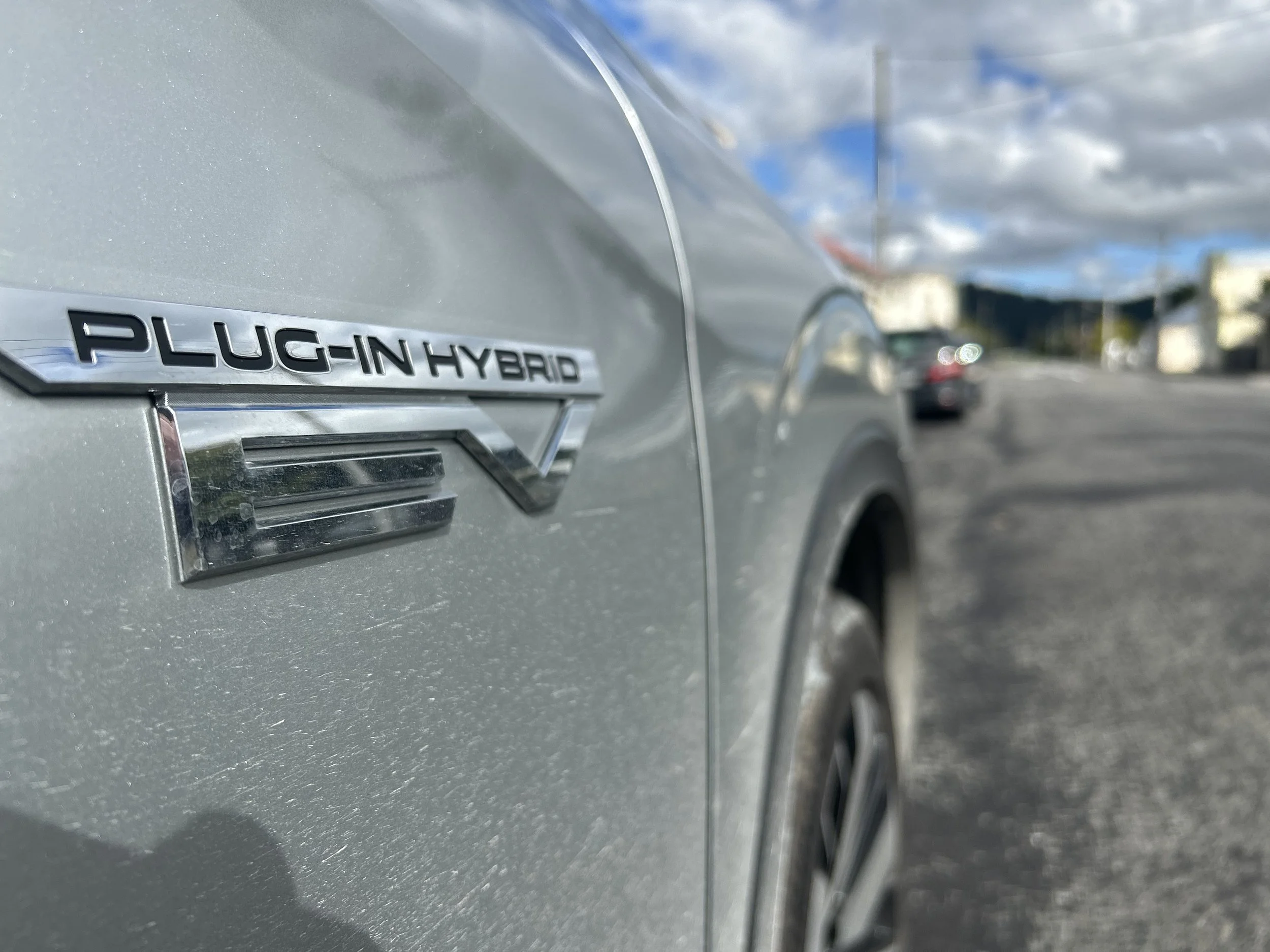
Notwithstanding, indication from within the partner brands is that the new platform is designed to accommodate something new to both models - a high-performance plug-in hybrid (PHEV) drive – also excites Richards.

“I think a plug-in hybrid … gives a ‘best of both worlds.’ It would be something we would be exceptionally interested and I think we have a lot of customers who drive our product currently who would be interested, because it would suit their lifestyle.

“We have a strong Auckland customer base and the ability to drive all week on electric when you might have a 12km route that takes 90 minutes to accomplish … well, it’s perfect. You could save the conventional power for the weekend driving. That rings a lot of bells.”

That a PHEV would also likely introduce petrol power to Amarok holds no problems. It’s a recognised application and also might give the model a chance of competing in North America.

“I don’t think it would hinder the Kiwi appetite to try it (PHEV).”

Release timings? Nothing exact, but it’s thought Ford as programme lead gets dibs, akin to the Isuzu/Mazda arrangement which gives the D-Max a market introduction advantage of some months over the BT-50.

Clancy declined to add fuel to thought about this leaving Ford with an expected ETA of late-2021. “We have no information about launch timings.”

He says Ford NZ remains delighted by current Ranger’s massive imprint on the NZ scene and expects it to continue being a strong seller for the remainder of its production cycle.

Richards also confirms current Amarok’s availability will continue right up until the new one arrives.

Meantime, the EV sharing programme has fuelled conjecture that Ford could deliver 600,000 electric vehicles atop the MEB architecture, which is the basis of VW’s ID programme. 

Ford’s vehicle will be designed and engineered by Ford in Cologne, Germany, and is expected to become a smaller sister ship to its own all-electric Mustang Mach-E, which will be introduced in 2021.

Additionally, the companies will both work with Argo AI to form distinct, highly capable autonomous-vehicle businesses based on Argo AI’s self-driving technology, a pitch which will create the world’s largest geographic deployment potential of any autonomous driving technology to date.


Ute outlook Pt 3: The big Blue

Our national obsession for utilities, especially family-minded dual-cabs, knows no bounds. The market is booming at the moment, and filled with plenty of strong options. Yet surely you’re also keen to know something about what’s coming up next, when and from whom? Here’s the final section of our three-part analysis.

will there be a new Raptor? It’s still unknown.

will there be a new Raptor? It’s still unknown.

My, how the motoring world goes around.

Back in 2011 when Ford Australia unveiled the T6 Ranger ute that it had designed and engineered all by itself, it flew journalists to some God-forsaken place in South Australia’s Flinders Range for the big reveal.

In among the Rangers at the launch event was a Volkswagen Amarok. The Ford people explained that the VW was there because during the Ranger’s development they had benchmarked their new ute against it.

High praise indeed for the Argentine-built ute produced by Germany’s Volkswagen Group. And the benchmarking worked, too – Ranger immediately became one of the world’s most popular one-tonne utes.

In New Zealand it is the topselling ute, consistently edging out its arch-rival Toyota Hilux. In fact it is the top selling new vehicle full-stop – last year there were 9485 of them registered, well ahead of Hilux’ 7126 sales and way ahead of the most popular passenger vehicle, the Toyota Corolla with its 6804 sales.

And Amarok? The hard truth is that the Volkswagen has struggled. It account for just 1 per cent of the Kiwi commercial market last year, with 653 sales. And that figure was less than 1 per cent of the Amarok’s global sales of 72,500 last year, which in itself was very modest when compared to the hundreds of thousands of sales recorded annually by the likes of Hilux and Ranger.

Given the very high costs of development of any new-generation vehicle, it made sense then that Volkswagen Group would look to forge an alliance with another manufacturer to share development of the next Amarok.

That’s what has happened. Last year the group signed a contract with Ford Motor Company to develop new light commercial vehicles.

current ranger has been vital for ford nz

current ranger has been vital for ford nz

In other words, instead of Ford using the Amarok as a benchmark during development of a brand-new T7 Ranger, it is now developing the next-generation Volkswagen ute.
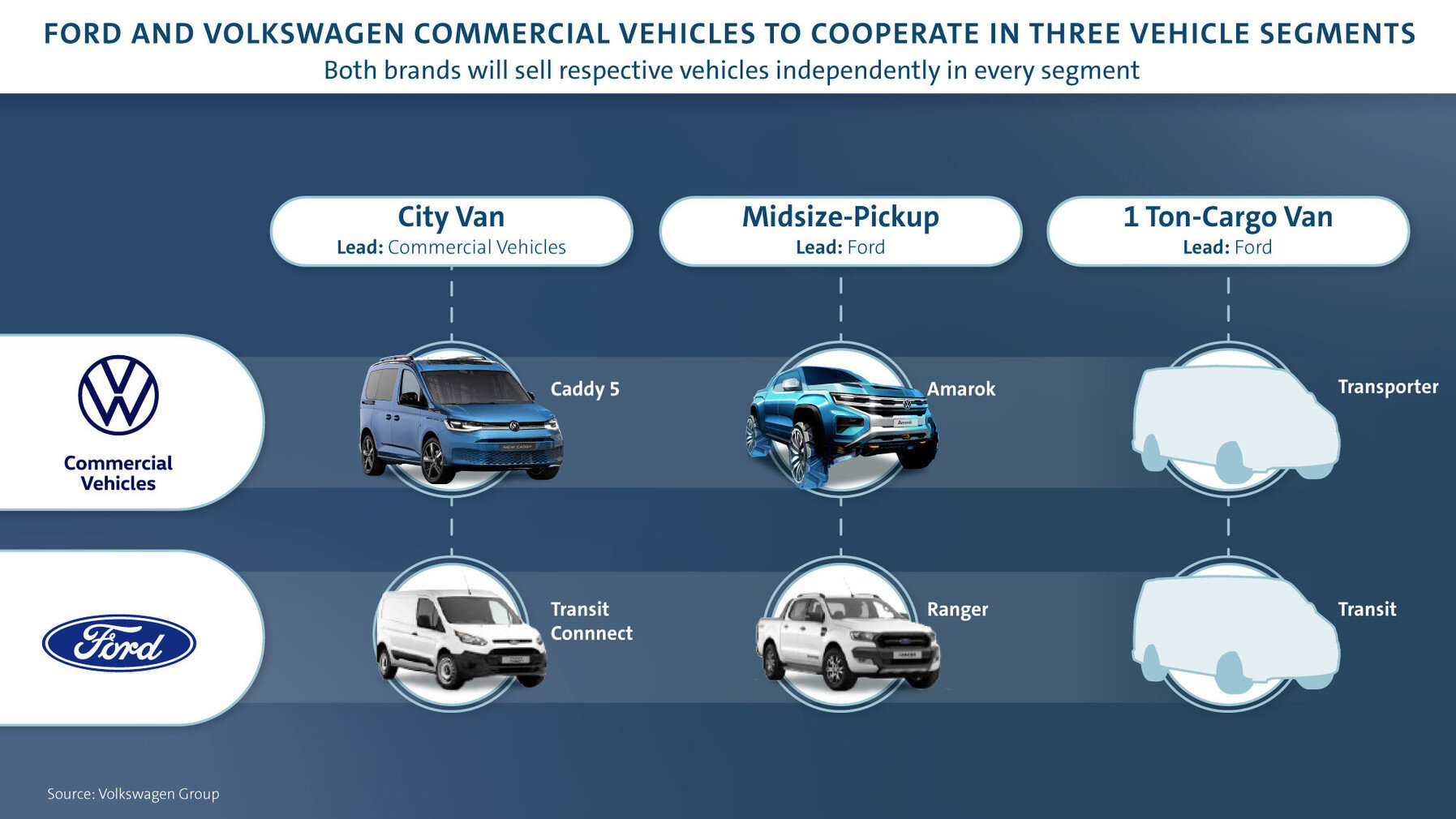
Under the terms of the new alliance, Ford is responsible for creating the two ute models, while Volkswagen Group is responsible for development of both brands’ next-generation vans.

The ute project is being led by Ford’s Australia-based Asia-Pacific Product Development Centre, and it is already well advanced. Unofficial word is that the new Ranger will be launched late next year, and the Amarok slated to arrive in 2022.

Although both companies – Volkswagen particularly – are currently spending a fortune electrifying their future vehicles, this isn’t going to apply to the utes. Instead, Ford is concentrating on developing a range of suitable petrol and diesel engines for Ranger and Amarok.

Media reports out of Australia suggest that instead of being powered by the current 3.2-litre five cylinder diesel, which won’t meet latest emissions regulations, the new Ranger will feature a 3.0-litre single turbocharged Power Stroke diesel V6.

The latest version of this lightweight engine is under the bonnet of the F-150 pick-up in USA, and in that application it offers 186 kilowatts of power and 597 Newton metres of torque.
There’s also talk the Ranger will also get a 2.7-litre twin-turbocharged ‘Nano’ EcoBoost petrol V6 that debuted in 2018 aboard the F-150 in the US, and it develops 242kW and 542kW. But at this stage it seems unlikely this petrol Ranger will become available for New Zealand.
 There’s no word yet as to whether the new Amarok will feature the same powertrains as the Ranger.

Parts 1 and 2 of this series can be found in the news section.

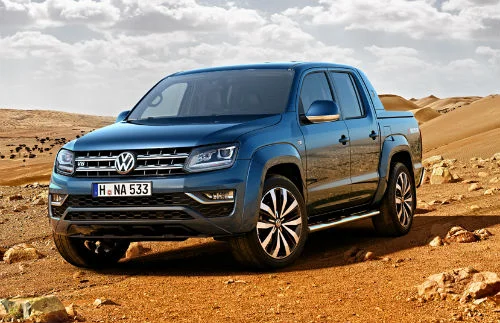
amarok has been a solid performer and the v6 is admired. will it continue?

amarok has been a solid performer and the v6 is admired. will it continue?

Covid-19: For VW, crisis highlights old school values and new age strengths

Life under Level 4 has accelerated the biggest European distributor’s digital planning. How far might it go?

Can a major car brand really be run from a laptop? In times of needs must, the outcomes have been heartening.

Can a major car brand really be run from a laptop? In times of needs must, the outcomes have been heartening.

 PANDEMIC lockdown has influenced a major car distributor’s view about the relative values of ‘clicks’ and ‘bricks’.

Like so many businesses, Volkswagen New Zealand has taken its office structure into the homescape since the country closed for business on March 26.

It might not be too much of a stretch to suggest that, as result of the shutdown and social distancing, this massive machine – it’s the largest importer of European automotive product – is operating from laptops on kitchen tables.

Enforced change has asked for fresh ways of working and thinking, plus accelerated reliance on online tools, some in the works for quite some time, one or two considered unnecessary in times of normality. The Covid-19 crisis has left no choice.

All in all, general manager Greg Leet has been impressed by how this unexpected needs must exercise is running. It has so cemented trust in systems and e-commerce approaches he believes what’s working has continued merit once all this over. “When we get back to work, it would be terrible if we did not take the learnings of these dramatic times along with us.”

Greg Leet.- the Covid-19 shutdown has taught a lot about digital operating systems and flexible working practices.

Greg Leet.- the Covid-19 shutdown has taught a lot about digital operating systems and flexible working practices.

Does this raise broader discussion about brand-retailer-customer interactions. For instance, when we’re in a situation where it’s impossible for the traditional – that is, in basic terms, a customer going to to a showroom, is this now the time when more effort is required to essentially bring the showroom to them?

There’s no argument that, since we’ve been placed in our bubbles, we’ve become more computer-reliant than ever; web traffic in the past few weeks has soared to unprecedented level. Surely we’re not all watching funny pet footage?

All this has hit at a time when it’s hardly a secret that the car world is becoming increasingly reliant on digital solutions, with inevitability of more to come. As Leet puts it, what’s happening and being increasingly thought about right now is an acceleration of what was always going to be.

The exceptional circumstances of the moment have acted as a catalyst for consideration of change. No-one is under any illusions about the impacts of coronavirus, not just now but going forward. Any return to life as it used to be will be slow and measured.

Working through new potentials and opportunities has keep VW and its agents – in New Zealand, that’s Giltrap Group – brainstorming busily at corporate level, Leet acknowledges. Examining the fuller potentials of flexible working environments and technology leveraging has been fulfilling.

“What this (crisis) has done is allowed us to take stock of some of the future thinking that we’ve been working with. We have found opportunities from these challenges.

 “The customer journey is going to be, and should be, different as an outcome of what we have been going through. I think our dealers (also) have an opportunity to become more present in a customer’s environment.”

As to that. Whatever it entails, this hastened journey down the virtual highway won’t diminish the human element nor would it bypass the core historic destination: The established franchise network.

On the first, Leet says for all the merits of online, it’s been an incredible staff effort that has been key to keeping the brand on the road these past few weeks. All that starts at the top; family business, family values.

VW New Zealand’s usual home is this Auckland headquarters.

VW New Zealand’s usual home is this Auckland headquarters.

“There’s been a lot of discussion around ensuring our staff’s health and well-being. When these times come and when the chips are down, the values of an organisation really shine through … I feel pretty bloody lucky to be working in an organisation led by those guys (the Giltrap family). It’s just phenomenal. It’s people first, no matter what. 

While inaccessible to the public, the national franchise network has remained a stalwart; there’s been a lot going on behind those closed doors, within the constraints expected with Level 4.

“The contact between us and our dealers is still as much as it would be any other day. The content of our conversation, of course, is a little different. 

“But we are supporting and enabling them to make sure that their staff and customers are safe in their environment.”

For many students of automotive utopia, the ultimate undertaking might be an online purchasing platform enabling customers to configure and purchase new vehicles remotely.

That process has been toyed with before and found wanting by Toyota New Zealand, which had little luck some years ago when touting Prius and 86 editions that couldn’t be bought from a showroom.

Last week VW in Australia followed a similar route with a structure that makes every new VW model – including commercial vehicles – available to order online. As with the NZ experiment, the process allows buyers to configure their selection and lay down a deposit before a designated dealership takes over to the rest of the process. In Australia, once the deposit has been received, the dealership is in contact within 48 hours to complete the purchase and manage the vehicle delivery. Here legislation requires going to a dealership to sign a sales agreement.

Virtual showrooms as an adjunct to the actual thing increased development of on-line tools that already allow customers to assess and tailor a product they’re considering is an international emergent with potential, Leet says. Additionally, there’s a logic to enhancing those experiences during a time when social distancing makes anything more personal simply impossible.

In the same way, having ‘sales geniuses’ giving a tailored guided tour to a vehicle by video link, which Skoda in the United Kingdom has introduced in the past week as a way of limiting social interaction, is also a good idea even in times of normality.

“We are definitely thinking about those things and even, too, to the likes of how of internal training might look like from a video perspective.”

Cars are essentially computers on wheels already, and the advance to the electric ID models will just bring more digital engagement.

Cars are essentially computers on wheels already, and the advance to the electric ID models will just bring more digital engagement.

That has already begun, with VW NZ having provisioning ongoing sales and technical training by video link during shutdown.

Regardless of what can be achieved via e-means, the traditional still has a core role. Dealer outlets lend strength and fuel credibility and, as much as direct selling works for some products, vehicles are different, simply because of the emotional connect. See, touch, drive, talk.

Were it not for Covid-19, today’s showroom-centric chat would surely reference this week’s national introduction of a fresh brand stance, pitched around the new look logo from Germany first unveiled last September. Months in the planning, an effort that would undoubtedly have become subject to a lot more raa-raa were it not for the pandemic could not be diverted because of it.

Aside from the latest badge that, the brand says, has reduced to its essential components and with a new flat 2-D look to become “perfectly recognizable in a digital landscape”, this brand design exercise includes a new female brand voice, a new website, and a complete overhaul of each local dealership, set to be implemented in the months to come.

That a roll out theming to new beginnings has timed just when coronavirus is costing the parent a staggering $US2.2 billion in lost revenues every week is wholly happenstance, yet poignant nonetheless.


Covid-19: Additional VW models still on track for NZ

Golf Mk8 has been delayed a couple of months but we’ll have plenty of new diversions from VW NZ in the meantime.

DB2019AU00434_medium.jpg

FOUR high-profile Volkswagen products are still tracking true for New Zealand though volume count for several might hit speed bumps as the year unfolds.

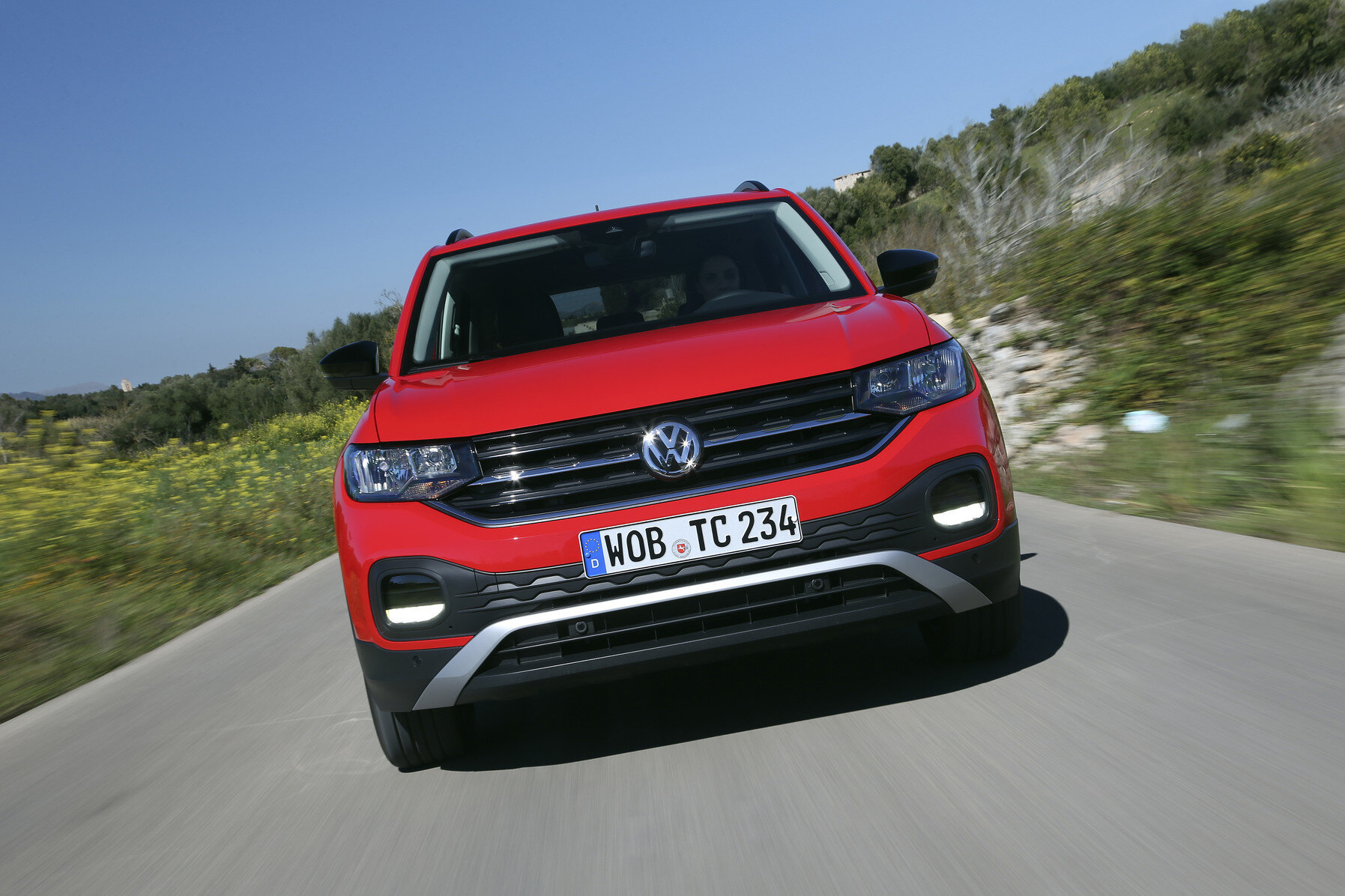
This from the brand’s New Zealand boss, Greg Leet, who says while the Covid-19 pandemic and national lockdown certainly haven’t made life easy, neither has it completely thrown impending introductions of the T-Cross and T-Roc – crossovers with huge volume potential through giving VW solid standing in the sub-Tiguan compact sector -  the Golf GTi TCR and a new Touareg V8.

 Though new car sellers are bracing for 2020 to be a tough year, with stock supplies looming and growing likelihood that registrations could be down by at least 40 percent on the bumper 2019 tally, the Auckland distributor’s intents not only remain more or less on track but could yet be further emboldened by heartening by latest news from Germany.

Notwithstanding the huge hit the global car industry has taken from coronavirus – first with parts supply problems and then with complete production shutdowns – Volkswagen Group is already looking set to imminently re-open some plants in Europe, albeit with social distancing measures in place.

On top of this, prior to the virus’s impact, it was already re-establishing  models that had been delayed or briefly curtailed last year as result of the brand being challenged to  meet Europe’s WLTP emissions testing requirements.

DB2019AU00431_medium.jpg

Also, while the national sales network is closed to the public, the Auckland-centred head office has remained busy – albeit with staff working from home – in planning life beyond lockdown, including localised implementation of the latest, simplified VW logo, which became official today.

Additionally, products built and shipped out of plants, mainly in Europe, have already landed or are set to ship in soon, so will be available to the public as soon as is allowed.

The first big T-Cross shipment landed just days before the nation went to Level 4 on March 26, so just a handful of the Polo-based front-drive model made it into dealerships – but more are awaiting dispersal.

The car (above) initially represents in $34,240 Life and $38,490 Style formats, with a turbocharged three-cylinder petrol that produces 85kW of power and 200Nm of torque and mates to a dual-clutch automatic transmission, with these to be joined by an R-Line, taking a 110kW/250Nm 1.5-litre four-cylinder. VW NZ has also secured 42 examples of a launch special, in First Edition trim, this also with the smaller engine and a bespoke trim. This costs $39,990. 

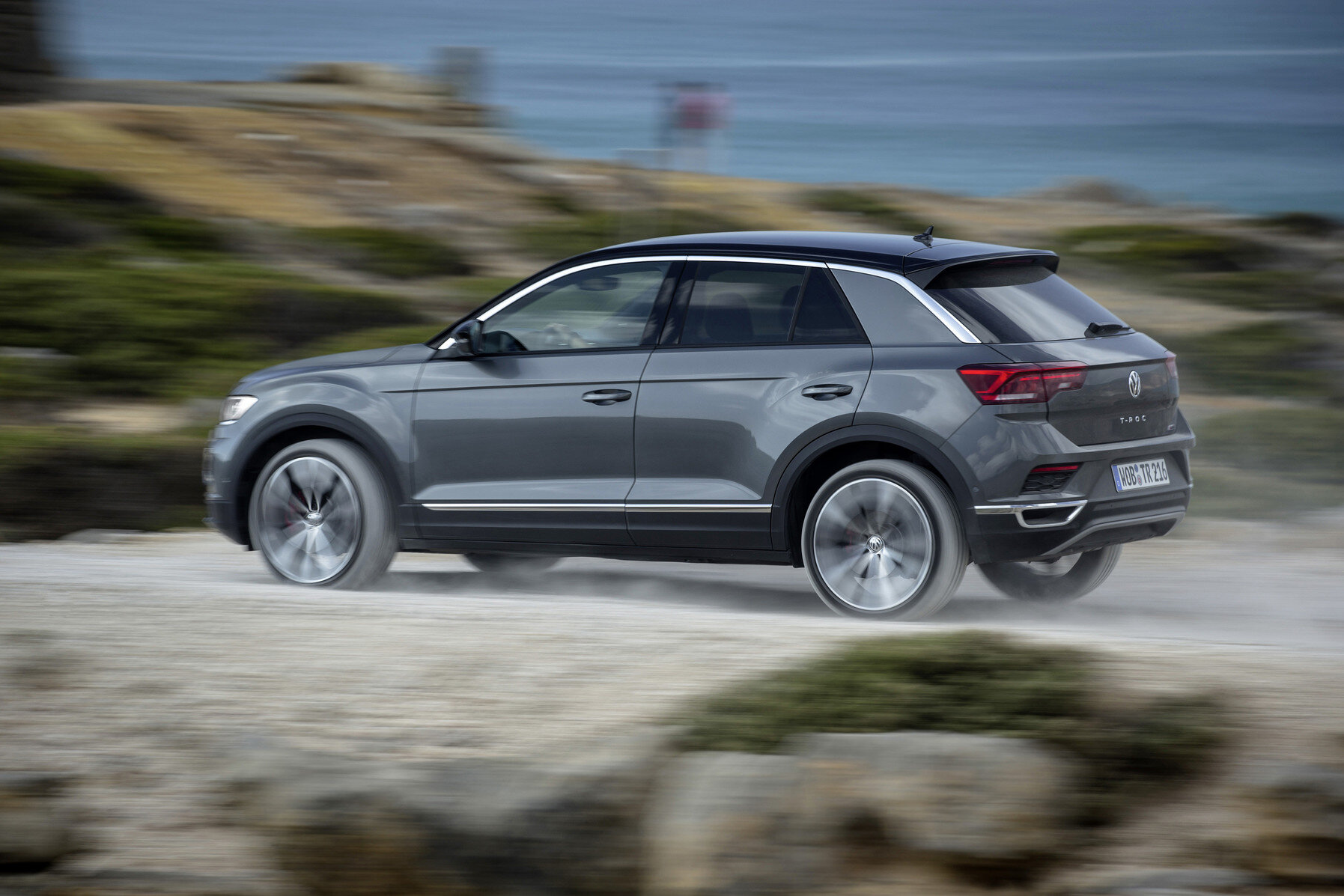
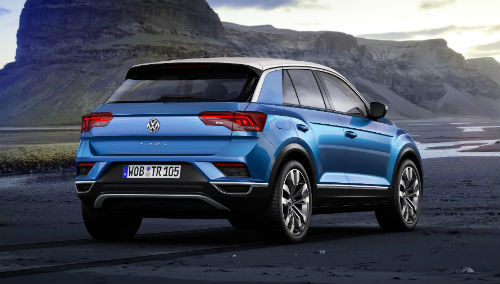
Meantime, the T-Roc, which shares a Golf platform, is now tracking for local release in July – three months later than expected, because the first NZ-bound consignment missed a sailing through being held up at the Spanish border.

It will also provision in three levels of specification, topping with a continuation of the R-Line trim that briefly availed last year with the surprise introduction of cars originally built for the United Kingdom that were subsequently made available as a one-off taster for NZ.

DB2017AU01557_medium.jpg

The Life and Style models feature the same 1.5-litre as T-Cross, with identical outputs, while the R-Line keeps the 140kW/320Nm 2.0-litre already experienced in those 150 examples already here and also holds the same price: $51,990. The Life and Style models, meantime, sticker at $39,990 and $44,990. As with T-Cross, T-Roc runs with a dual clutch transmission. But it’s also going to have all-wheel-drive in the top spec.

The cars adopt similar stylings but in different sizes. T-Cross is a longer overall (by 54mm) and in wheelbase (by 13mm) than the Polo and is 112mm taller, but only fractionally wider (at 1750mm) than VW’s smallest hatch. T-Roc is around 250mm shorter than the Tiguan, and otherwise similar in stance to its donor.

A First Line special edition part of the Touareg V8’s introduction; this $149,990 edition packs delivers with the 48-volt active roll stabilisation system that is a $7500 cost-extra on the mainstream alternate, which will retail for $141,990. The First Line also has a Black Pack trim and a top-level Dynaudio sound system that, again, aren’t standard to the cheaper variant. 

Of course, the main attraction is the powerplant, a version of the mighty eight-cylinder turbodiesel that has until now restricted to richer fare, in the shape of Audi’s SQ7 and SQ8 and the Bentley Bentayga.

VW NZ anticipates keen interest in the twin-turbo 4.0-litre unit that stands as a new-era equivalent of the V10 turbodiesel that figured in the first generation Touareg and was developed at the behest of Ferdinand Piech to simultaneously elevate the diesel engine and the VW brand.

DB2019AU00587_medium.jpg

The incoming unit isn’t the premium version, in that it doesn’t take the electric supercharger that Bentley’s rig also achieves, but with 310kW and 900Nm nonetheless generates 87kW more power and 151Nm more torque than the old 10-cylinder, and of course utterly gazumps the current V6, which in strongest format makes 210kW and 600Nm.

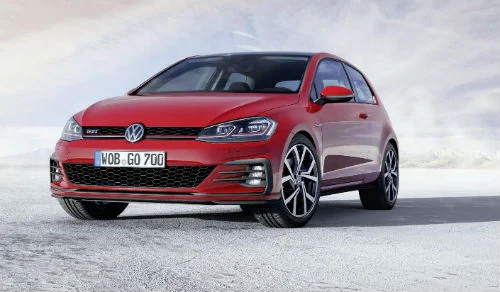
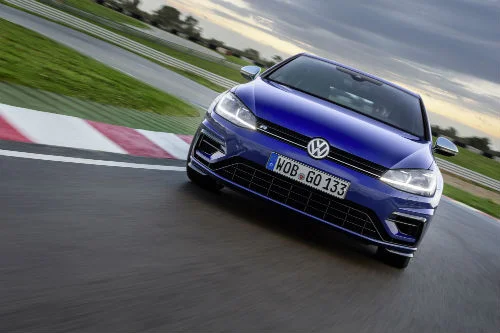
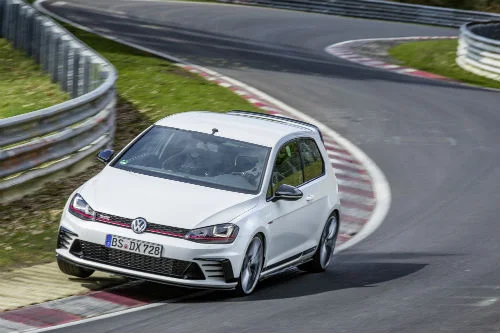
Also set to satisfy sporting tastes is that Golf GTI TCR, probably landing in July and intended as a swansong not just to the current GTI but also to the Golf 7.5 range – though, in that respect, because of coronavirus the current line will now be around for the remainder of the year, rather than replaced in October by the Mk 8 form in October.

Leet’s new plan now is to introduce new generation in January. Hopefully. Meantime, VW Germany will keep making the 7.5 version for NZ - on the same line that is otherwise pumping out the next generation for many other markets – with an R Limited model also coming to keep up mainstream interest while the TCR targets hard-out enthusiasts.

 The latter should move through the showroom as quickly as it nails all the usual performance tests.

VW_9013_Golf_GTI_TCR.jpg

Named in recognition of a brand involvement in Touring Car Racing  that has since discontinued, the special dethrones the GTI 40 Years as the most powerful Golf GTI ever. In that it has a permanent peak power figure of 213kW from its 2.0-litre turbo-petrol four-pot engine – as opposed to the 40 Years, which could only reach the same power on overboost.

Peak torque comes in at 350Nm, the same as with a regular GTi. The grunt is delivered exclusively to the front wheels via a six-speed dual-clutch automatic transmission – so, not the seven-speed going to some other markets.

Dynamic deftness is enhanced with it using a limited-slip differential on the front axle, a firmer suspension set-up that rides 5mm lower than the GTI, a unique adaptive chassis control system and beefed-up front brakes.

It also announces with a unique engine note provided by the bespoke exhaust system. VW reckons on 0-100kmh in 5.7 seconds. That’s 0.6s quicker than the 40 Years and just 0.9s shy of the R.

Price? It’s still being finalised, but should be just over $65,000. And availability? Well, best be quick: Just 40 units are earmarked.

Visually, the TCR is distinguished by its honeycomb decals, 19-inch alloys wheels and black roof, plus three exterior paint colours – Pure White, Pure Grey and Tornado Red.

The interior treatment includes Alcantara accents on the gear lever and door trim inserts, black and red cloth upholstery, GTI steering wheel with perforated leather on the hand positions and a red 12 o’clock marker.

Other exclusive standard equipment includes LED headlights with dynamic cornering function and dynamic light assist.

These features build on a standard GTI provision which includes GTI body styling, electrically folding exterior mirrors, keyless entry and start, an 8.0-inch infotainment system with sat-nav, active info display, city autonomous emergency braking (AEB) with pedestrian monitoring, adaptive cruise control with lane keep assist, traffic jam assist, emergency assist, blind spot monitor, rear cross-traffic alert and a rearview camera with park assist.

Speaking of kit. Even though the T-Cross will seem a bit pricier than some compact rivals, it also promises to perhaps have a longer features list than usual, with all high-level safety and driver assists standard, including pedestrian and cyclist monitoring. Adaptive cruise control, lane and side assist, a rear view camera, park assist and park distance is also standard.

DB2020AU00359_medium.jpg

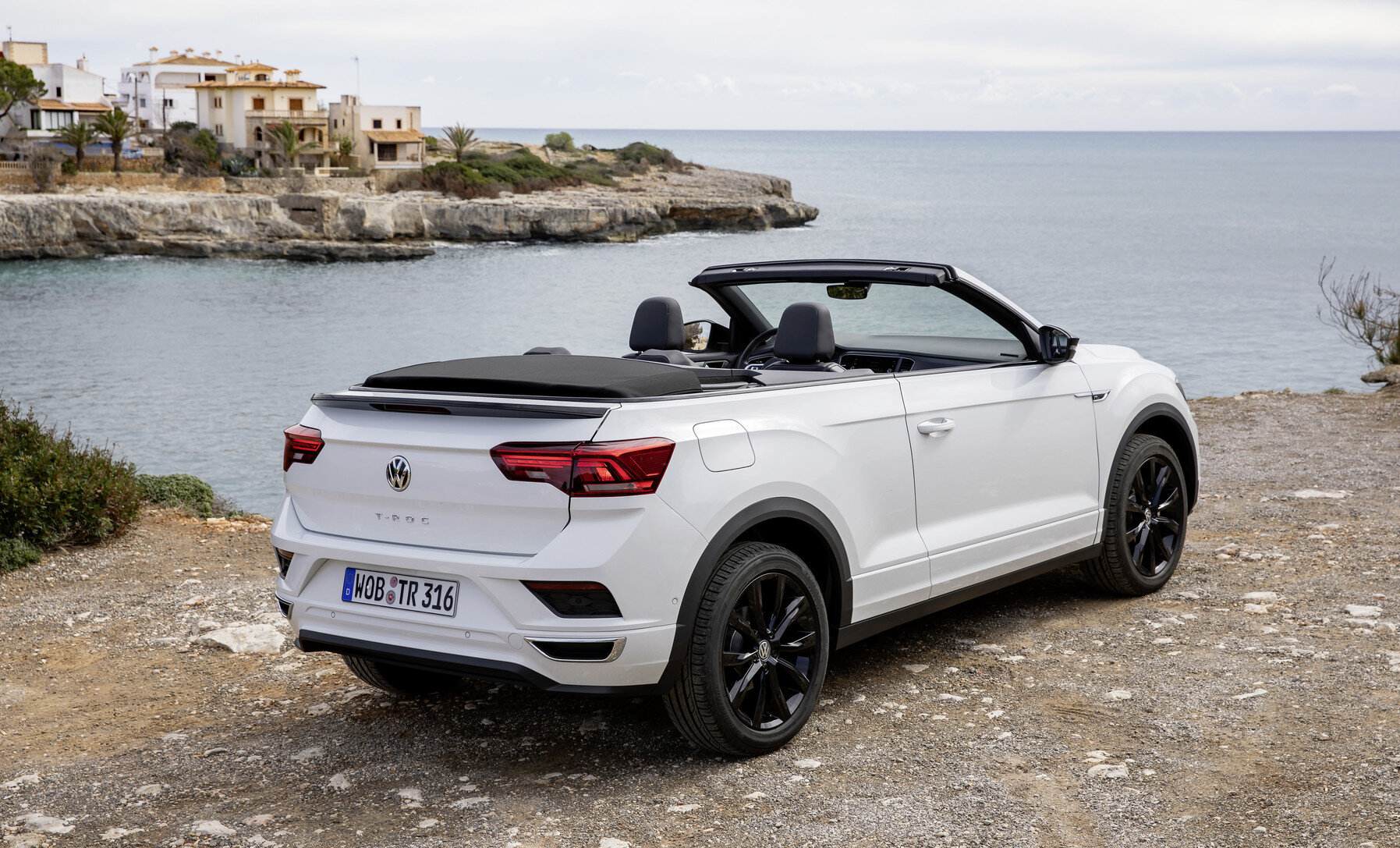
Meantime, VW here is considering further additions to these families, but says the T-Roc convertible has already been decided against while performance-tuned R version is perhaps several years away.

Also unlikely to be seen for a while yet is the Touareg R Hybrid, revealed internationally in February and VW’s very first R model to have a plug-in hybrid powertrain, in this instance delivering ability to run solely on electric power at  up to 140kmh and for 30km range thanks to a lithium-ion battery pack mounted beneath the boot.