MINI Countryman JCW road test review: Lifestyle goes large
/The sharpest stepping edition of the most maximised model in this family is a bold statement.
Price: $83,990
Powertrain: 2.0-litre four cylinder turbocharged petrol, 221kW/400Nm; seven speed direct shift transmission, all wheel drive.
How big: 4447mm long, 1843mm wide, 1645mm high.
We like: High levels of comfort; well provisioned; has genuine premium feel.
Not so much: Almost too large for classic design cues; not as outright racy as other JCWs.
NOSTALGIA isn’t what it used to and same goes for MINI; a point very much hammered home by the latest Countryman.
Similarity in sizing to the original British Motor Corporation car hasn’t been seriously undertaken by any MINI built by BMW for ages.
Nonetheless, the latest edition of the largest car in what is now a whole portfolio of products really reinforces just how far this nameplate has upsized.
The third of the modern (read 21st century) era of Countryman (or should that be ‘men’?), is 130mm longer and 60mm taller than its predecessor, which in itself was no small thing.
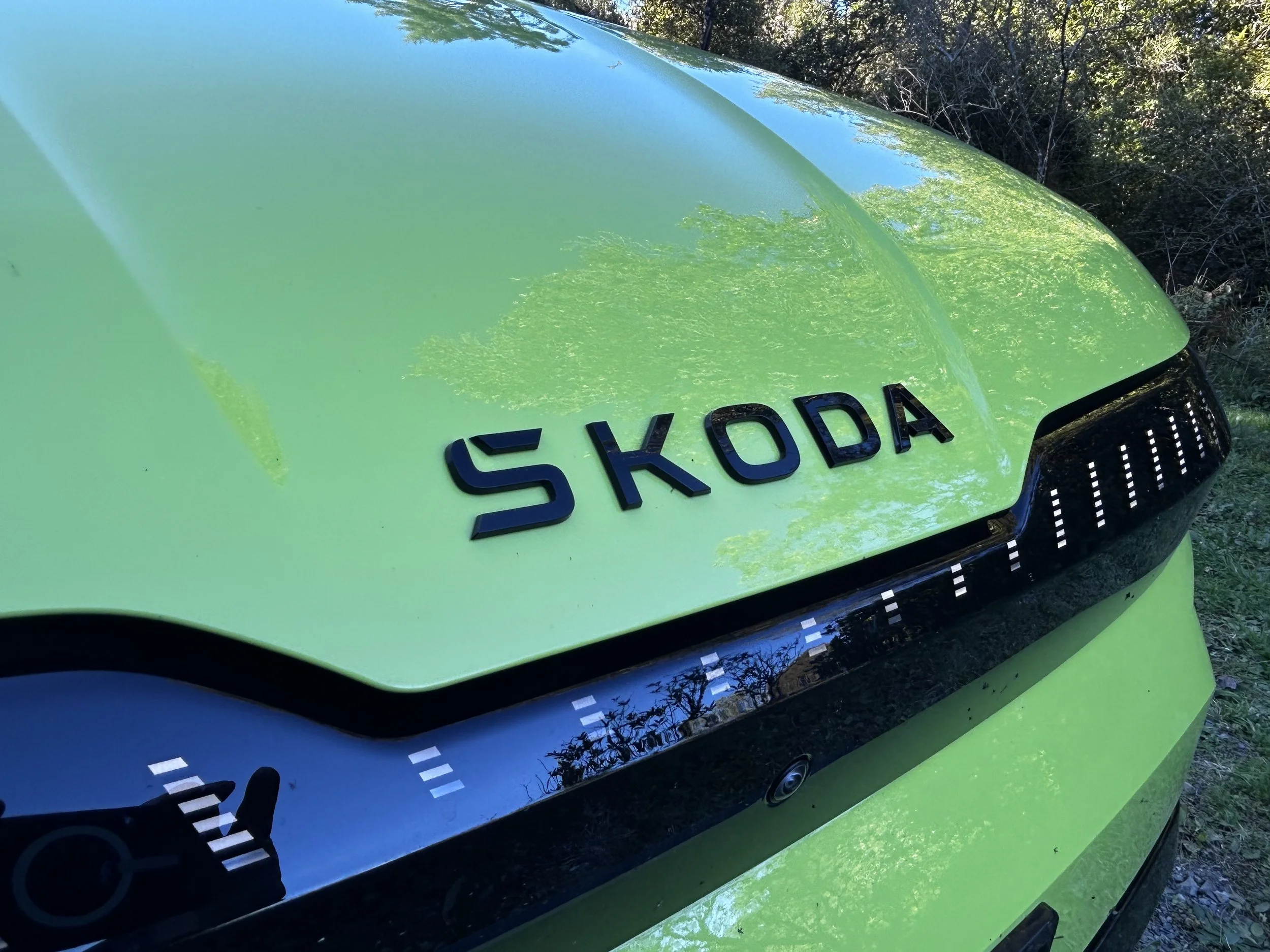
The new size hit home when what is called the ‘MINI of SUVs’ met our own car. Those who know Skoda’s Superb station wagon will recognise it’s another big thing, the largest out of Europe. Countryman doesn’t compete for length, but it raised eyebrows nonetheless is being almost as wide as our load-swallower and somewhat taller.
Attraction or turn-off? In BMW’s eyes, there’s good business from having MINI models in all shapes and sizes.
Countryman achieves very strong buy-in. It obviously fits comfortably with customers looking for a medium-ish family SUV with quite a different styling outlook.
All the same, it’s the most obvious drawcard for 'MINI isn't mini any more' snidey comments. Including from a couple of mates who - get this - I’m pretty sure were, when casting an eye over the Cooper and Aceman tested recently, were sharing how it was a pity those somewhat patently smaller cars weren’t just a bit … larger. There’s no pleasing some people.
Assuredly, this car is as maxi as a MINI will ever get. And it at least has a positive spin. It’s the variant that feels most sorted for big drives and full out family duties.
In respect to the latter, you’re looking at easily the most commodious second-row seating lent to any MINI. Also, it has a boot that, while not huge, is at least decent-sized, with 505 litres ramping up to 1530 with the rear seats folded. All of which adds up to a model that should be good for carrying a family of four and most of their stuff around with relative ease.
The JCW designation lends assurance they can expect to travel briskly, too. With no diesel models any longer, MINI is giving buyers a straight choice of petrol or electric in all its models now, but with the Countryman there’s a twist to the whole John Cooper Works’ play.
Buy a JCW Aceman, and it’s electric only. Go for a JCW Cooper, and you can go either way. Buy a Countryman, and it’s electric in the mainstream edition, but not the JCW.
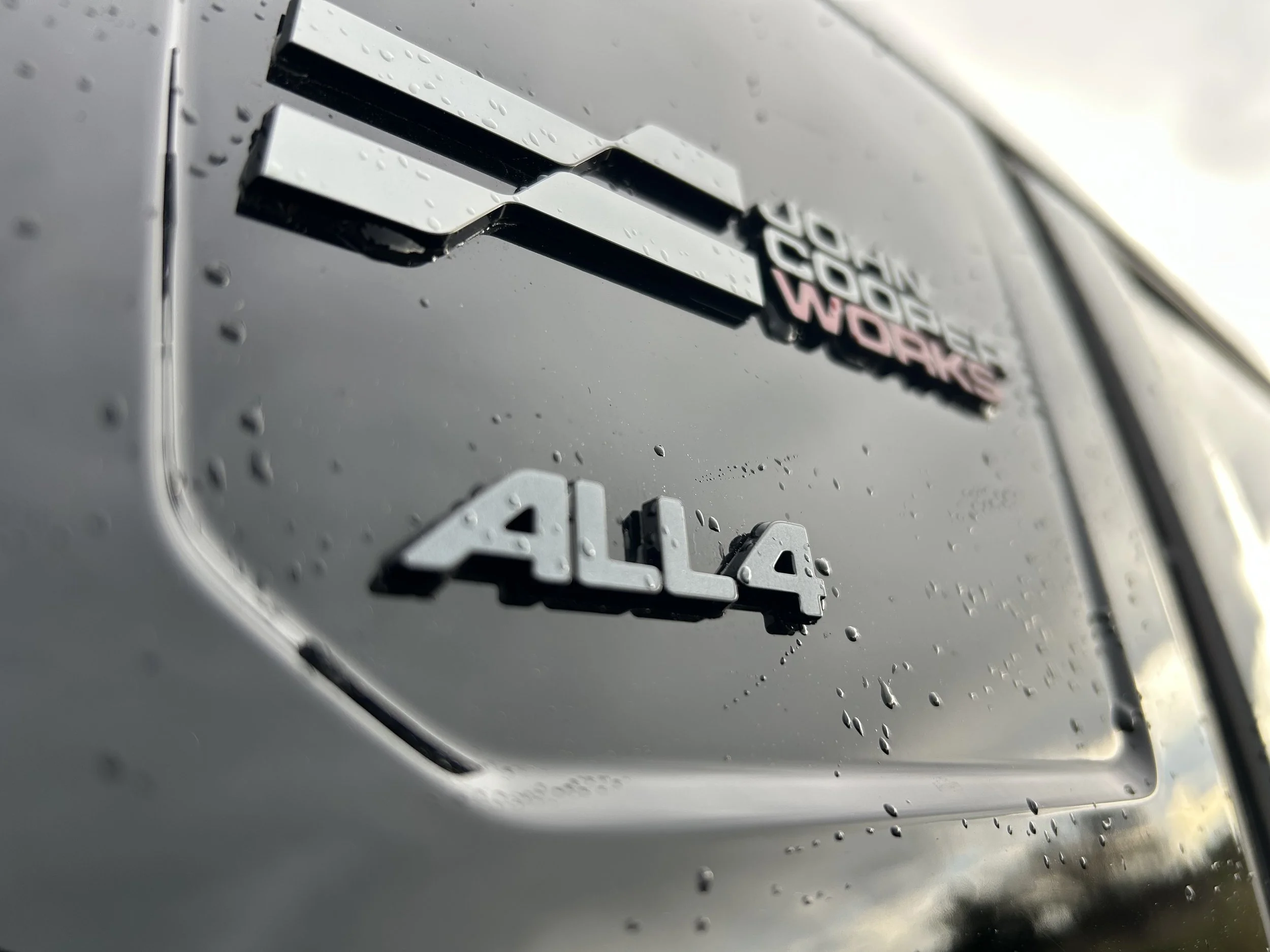
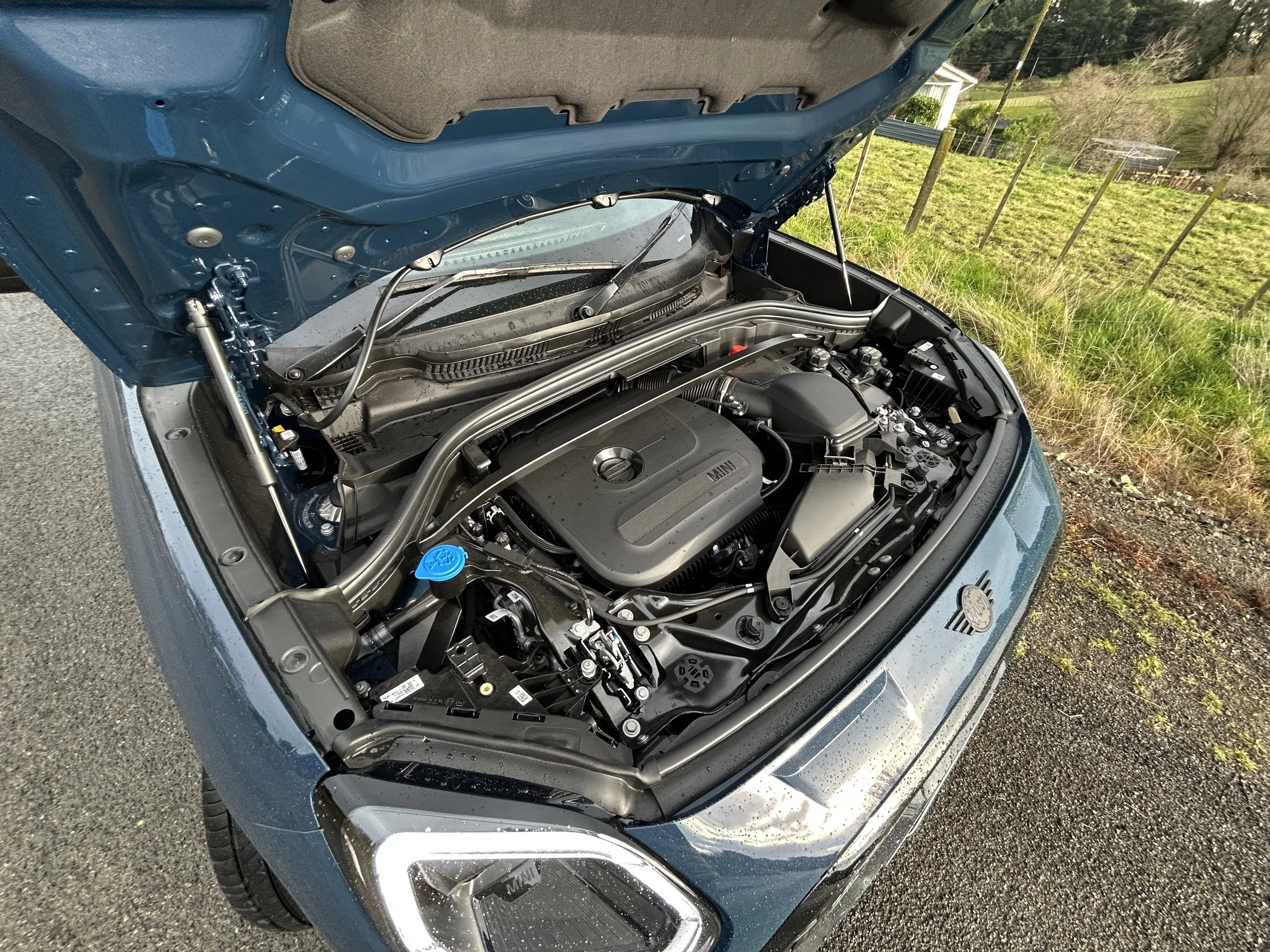
Anyway, it’s all about muscling up, right? The flagship is once again powered by the ‘right’ kind of engine for enthusiast attraction; a turbocharged 2.0-litre four-cylinder engine which drives all four wheels (hence the car's 'ALL4' badging).
The engine in latest format serves up 221kW and 400Nm, good enough to see off 0-100kmh in 5.4 seconds. That makes it two-tenths quicker than the Countryman SE electric, which has 233kW but because of the batteries has a lot more weight to haul.
However, before getting too excited about it being the hero, best bear in mind that this petrol has 7kW and 50Nm less than the previous one, which could crack open the standing start to legal open road limit in under five seconds.
It’s not common for performance models to lose zest, but in this case it’s because of the transmission.
This current car has a seven-speed dual-clutch transmission, whereas the previous one had an eight-speed gearbox.
Dual clutch types are snappier and more suited to sportiness; those traits certainly evidenced in driving. BMW/MINI says this - and ability to deliver more efficiency - where reasons for change. But they also tacitly admit the new choice cannot handle the higher torque that the previous unit could manage, hence why it pulls back.
Will that make much difference in the driving? The use of those very three hallowed letters in the MINI canon raises very high expectations.
In respect to that, the slick gearbox and the traction advantages mean you can make the most of the engine's muscle in most circumstances. It often feels fiesty.
But insofar as hairy and lairy goes? the stopwatch will at best register 5.4 seconds for 0-100kmh, which is quick, but not the quickest for its category. And it’s rapid, but not rabid, in respect to mid-range urge. Realistically, If this car had a BMW badge, it’d be more likely to represent as an M Performance rather than a full-out M.
One sign of restraint comes with the exhaust note. MINI has done its best to augment the engine's exertions without making the amplifications too obviously fake. But while you get at best some rhythmic thudding and rumbling from the pipes, there’s very little outright bark.
The general feeling of less than fully pugnacious vehicle comes by virtue of its bulk. The cited kilo count of 1660kg will raise eyebrows, as it feels heaver. Well, put it this way.
In any event, the nippy, zippy emphatically edgy X-factor that makes the Cooper and Aceman so delightful is just less apparent in the Countryman. Sure, the handling's decent, with direct, weighty steering, a notable dearth of excessive body lean and plenty of grip in the corners and traction out of them. But as JCWs go, you can find more fluency and adjustability in the smaller servings. It’s quite probable anyone will find they can get the best from this car within minutes of climbing into its driver's seat.
In respect to ride refinement, though, it is perhaps the JCW that will appeal most for passengers, as while patently sporty, it nonetheless has a nice degree of compliance. That made it better disciplined on a bumpy road than the firmest of the new JCWs that been on test recently, the JCW Electric Cooper.
Speaking of electric, by chance a near-neighbour has just bought a Countryman-E and, in comparison with that car, whose higher kerb weight reflects a clear battery burden, the JCW Countryman was, if not obviously less yielding, was also no more so.
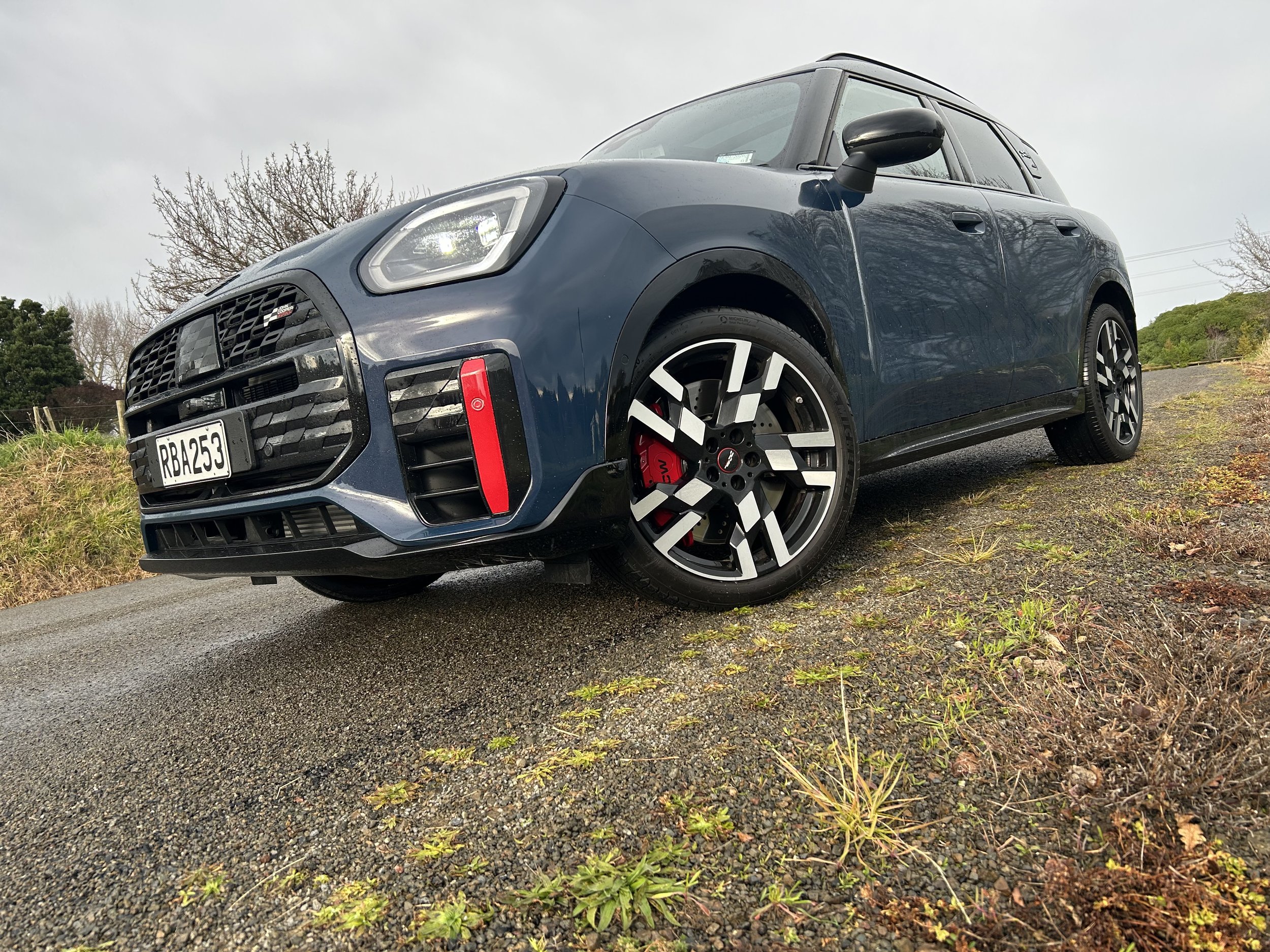
MINI styling is so bespoke it could be spotted from space and though some of the design could be construed as seeming a bit awkward when worn in the extra-large sizing this model demands, that hasn’t of course kept it from being loud and proud.
In latest format, it’s in general much the same styling makeover as has been given the Cooper hatchback, so as result it looks more modern, more minimalist and yet also more angular than before. What’s quite clever is how as much as it is clearly new, it also remains familiar.
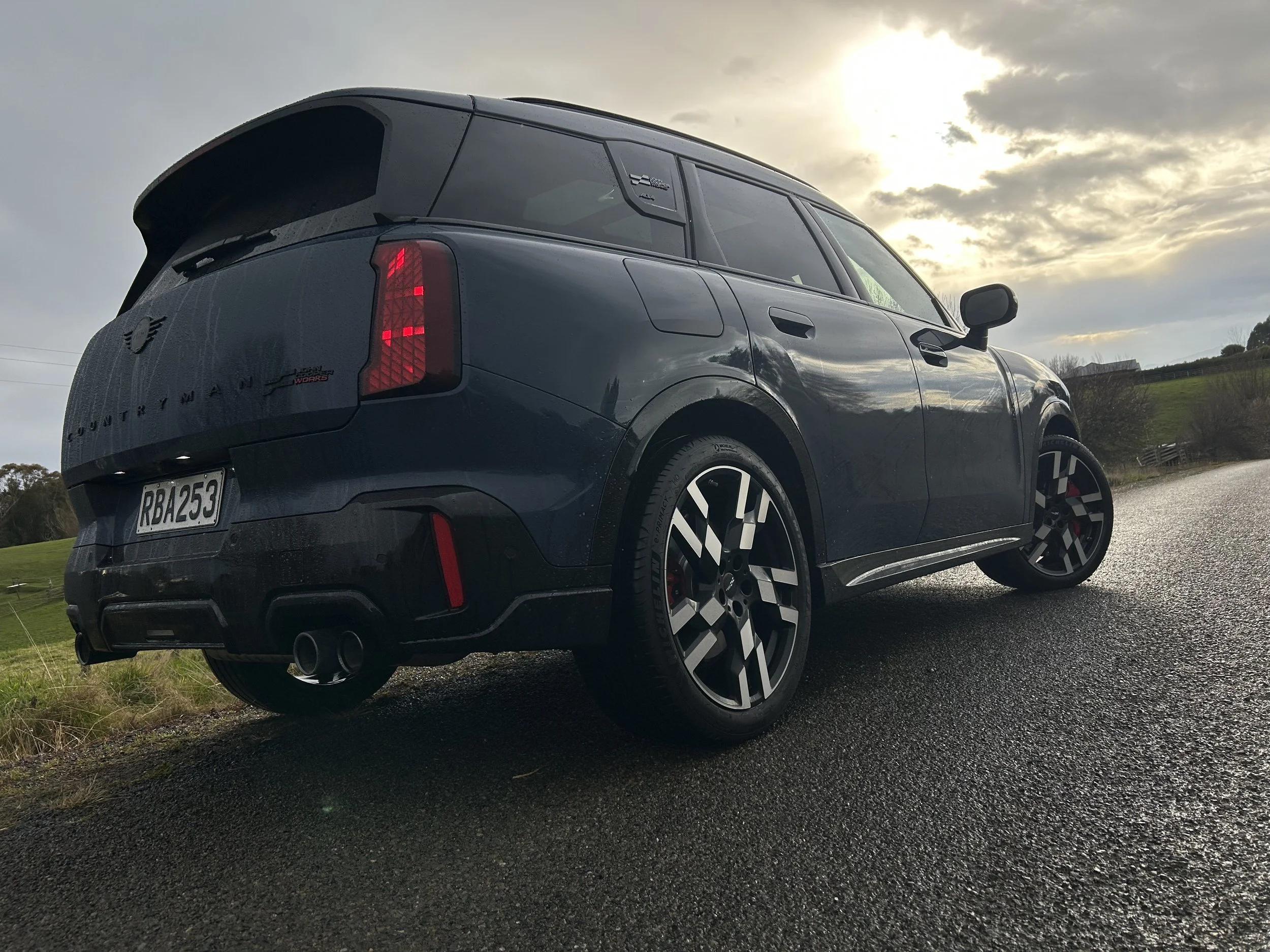
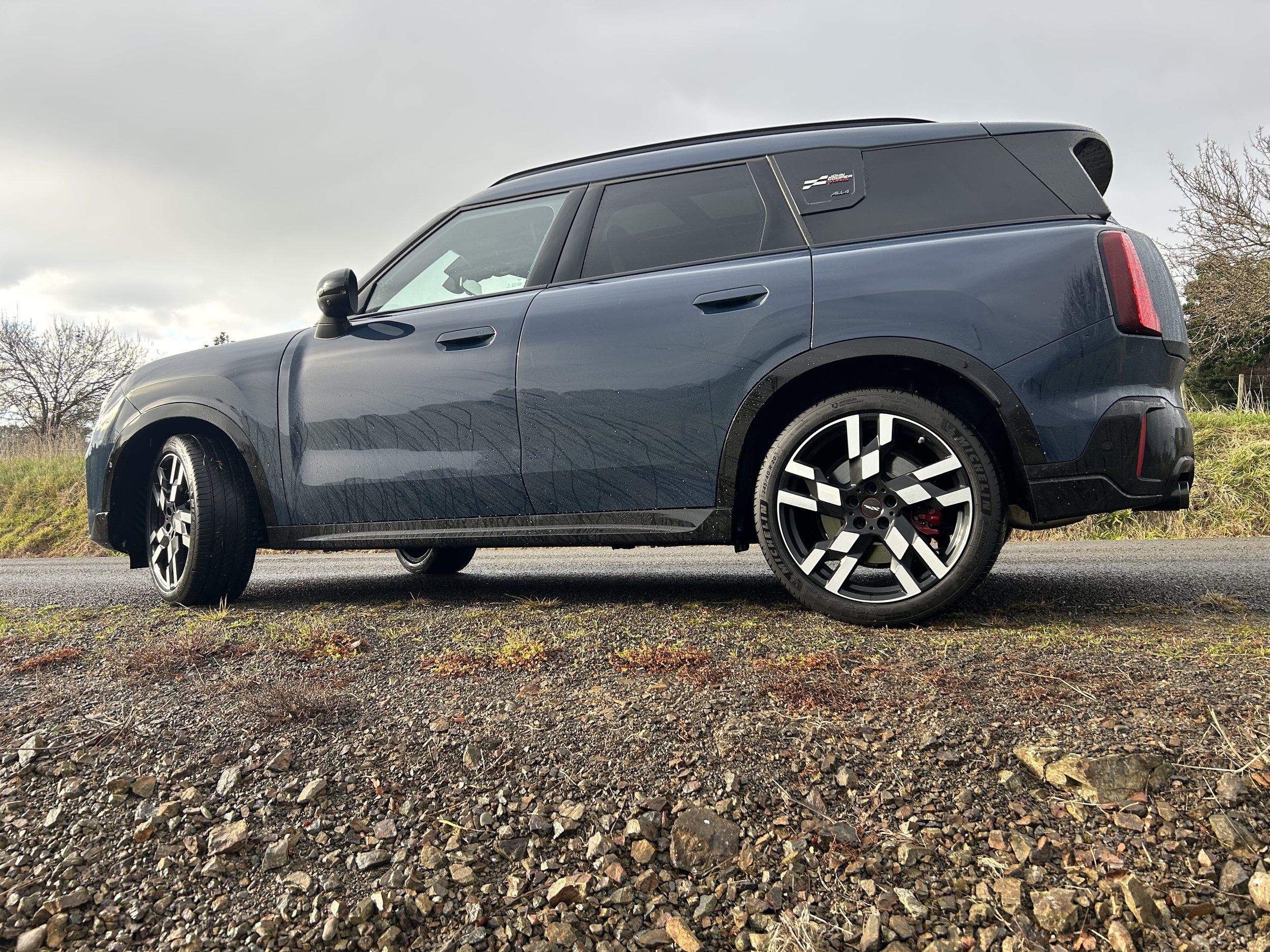
The squared-off daytime running lamp signatures in the headlights, a smoother-looking tailgate and that 'floating' C-pillar bit just behind the rear doors, which makes the roof appear as if it is detached from the body, yet isn’t are the most obvious new-era elements separating it from the previous generations. The LED rear clusters also have two alternate graphical displays to the questionable Union Jack motif default.
The JCW side of things means big alloys, quad exhausts and a meaty lower body kit.
If you think the exterior is only an evolution, just wait until you see the interior. That’s where it really shouts the attractions and eccentricities of MINI-ness.
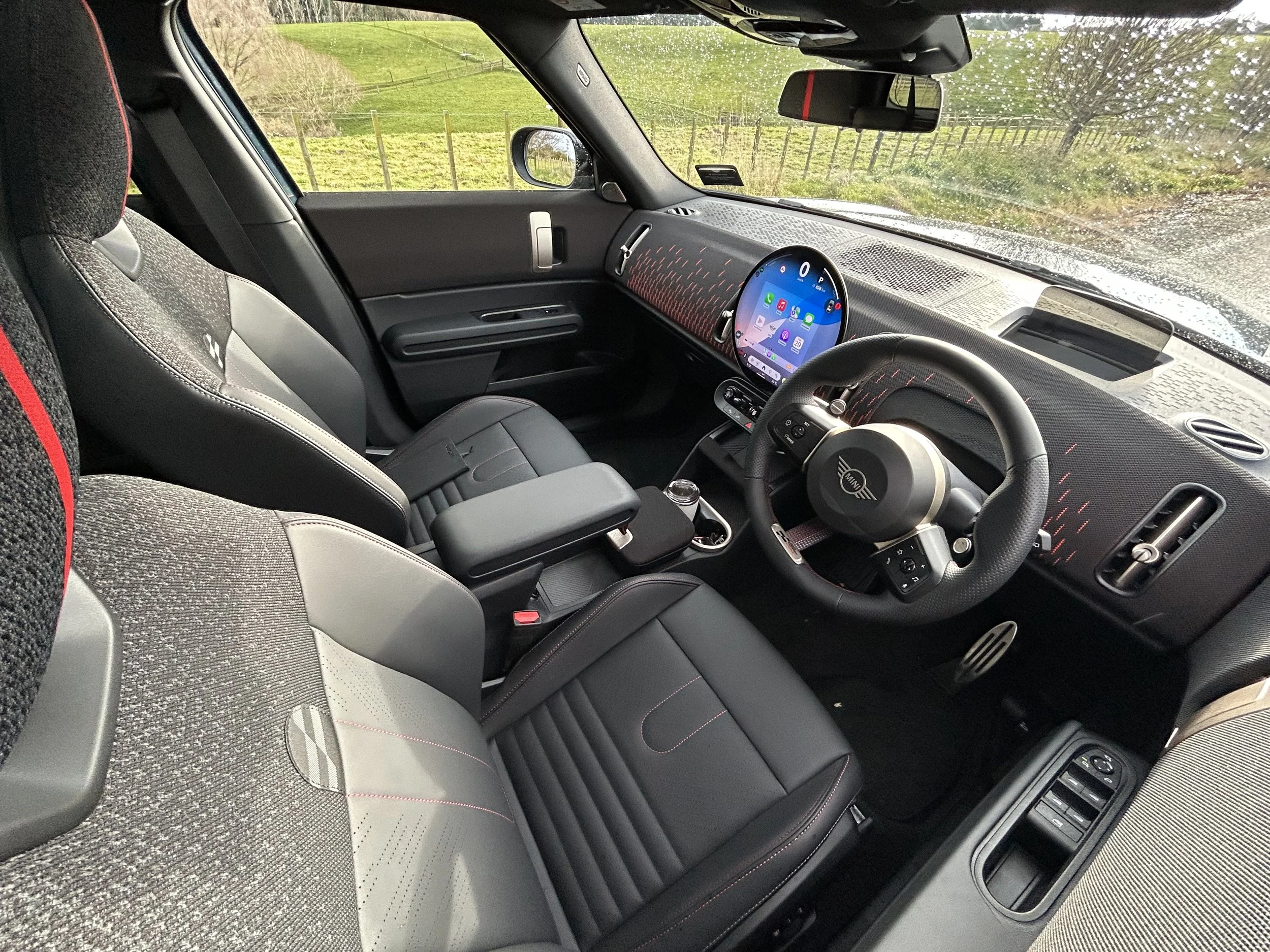
Everything has been stripped right back, with a dashboard that's almost devoid of anything except for a few air vents and a massive a 9.4-inch OLED circular touchscreen with the company's latest Operating System 9 software on it.
Below this is the 'Toggle Bank', including the twistable drive selector and engine-start and the 'Experience Mode' switch, which takes you through drive modes as well as ‘mood’ themes.
As much as the look in totality is an attempt to hark back to the days of the original Minis, with their big central speedometers, it also relies on tech from the 21st Century. All climate controls have been melded into the screen and there's nothing in front of the driver apart from the steering wheel and one of those 'pop-out' head-up displays.
Potentially the reliance on one main display will either delight or infuriate, with very few merely ambivalent about it, but even though there are aspects where the whole thing seems too busy and over-fussy, in respect to operability it strikes a reasonable balance between retro and minimalism than the old version.
While in all probability the digitised dog called Spike who pops up on the screen to help out with various functions (like a canine version of Clippit the paper clip, from Microsoft Office at the turn of the millennium) will be permanently kennelled after a couple of days, you cannot help but applaud the brand for at least bringing in some fun. For instance, within the ‘Experience’ sector the individual setting allows you to upload a picture from your phone, as you might with a laptop wallpaper, while the Classic option replicates the fonts and sepia-ish colour of the very first British Mini.
The general look and quality of everything are good. You could quibble about quality of some of the plastics - and argue the paddles behind the steering wheel should be metal rather than rendered to look that way - and in far as head up displays go, having a fold-up translucent screen in the top of the dash, onto which things such as speed and navigation instructions are projected, is a bit unsophisticated.
But overall, it is a classy area. The backlit fabric-wrapped dash is probably quite a cost-effective way of softening and trimming the cabin, but it still looks and feels very swank. Pity the person who ever spills a chocolate shake on it, though.
As the flagship the JCW does come with a generous amount of standard equipment, including many desirable features such as 20-inch alloys, a Harman Kardon sound system, heated seats and steering wheel, adaptive cruise control and more.
The seats are great, too, and the upholstery options mix recycled fibres and posh coverings. Combine that with ample space and you've got a comfortable car.
There’s no secret to MINI’s whole schtick; the recipe is more or less unchanged. So much is about being seen to be different, and not having any misgivings about any of that. Even though the Countryman is easily the most practical product behind this badge, it is still a design-led car, so prices and positions accordingly.
You get polished competence here, but deep down MINI wants you to revel in the sense of character and charisma. Still, when it serves in such a large sizing, ultimately some will ask how far a brand can be stretched before it runs risk of being snapped.