
Big hitter shines in smash test
/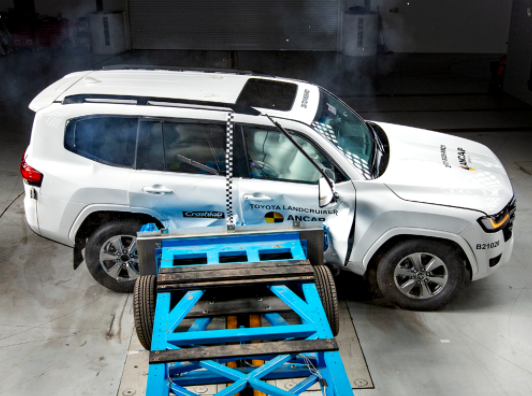
An impressive five star ANCAP score for Toyota leviathan
Read MoreThe bZ family seems a starter for NZ, so too the Lexus RZ, but what else might interest the national distributor?
Read MoreThe world’s biggest car maker has revealed a load of new electric models, spanning its two brands.
Read MoreToyota New Zealand says it is focused on providing low emissions mobility for all New Zealanders, with aim to leave no customer behind.
Read MoreToyota’s first bespoke electric car will be a sales starter here in late 2022.
Read MoreYou know how Lexus and Toyota are stepping up their electric push? Seems their biggest product sold here didn’t get that memo.
Read MoreToyota’s racing development outfit gives the Kiwi favourite a new look – but doesn’t touch the drivetrain.
Read MoreIt was to have been out this week – instead, customers have been told the new 300-Series will be here “early next year”.
Read MoreGovernment revises emissions levy introduction date to April 1, 2022
Read MoreMarket leader strives for optimism as parts shortages hobble production.
Read MoreToyota NZ explains why a Hilux named after an alpha predator has been elusive, but won’t be from now on.
Read MoreTHE dominant brands in the one-tonne ute sector appear to have pulled the handbrake on Government contention that electric versions of their Kiwi-favoured workhorses are close.
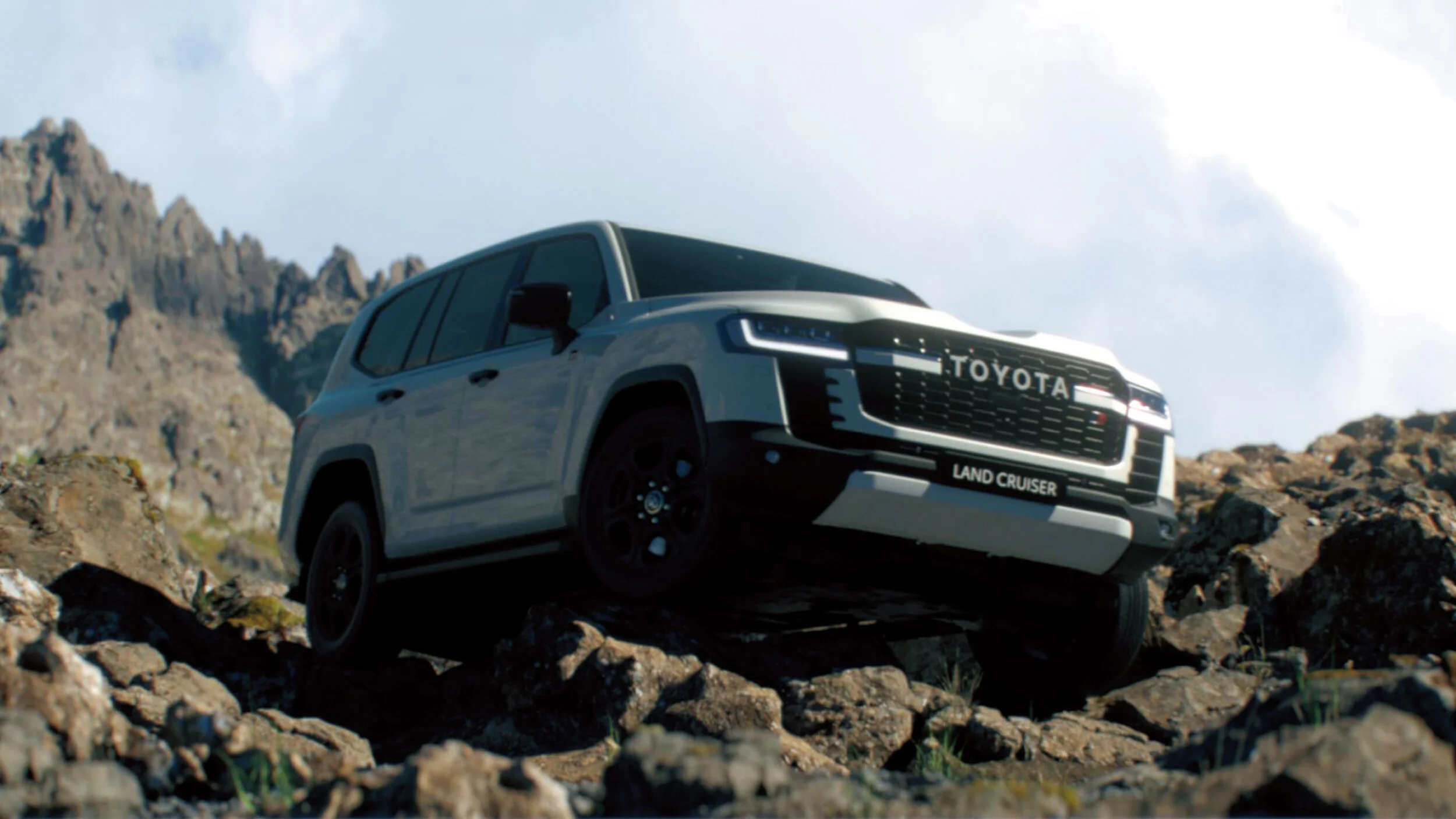
Read MoreThe new generation Toyota Land Cruiser will have the option of a model with a more sporting flavour.
Read MoreA zero emissions driving future shouldn’t just mean an assault with battery-pure product, the new passenger vehicle market leader says.
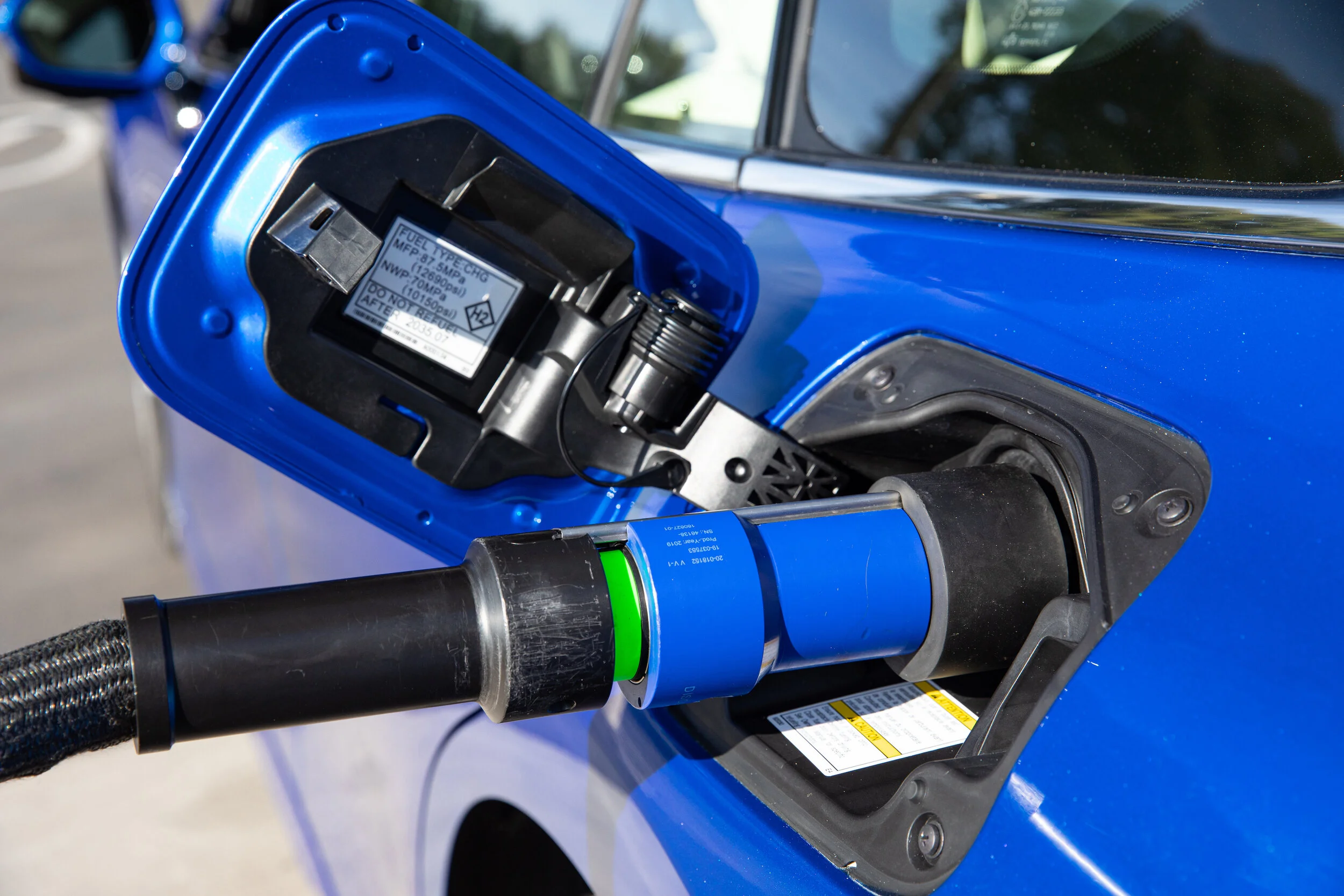
Read MoreMETROPOLITAN Auckland will before the end of this year become a regular beat for Toyota’s hydrogen car, the Mirai.
Read MoreBACK tracking on an initial boldness – to retire the traditional V6 from the new Highlander and lay all bets on a hybrid drivetrain – appears to have become an unnecessary safeguard, going by how consumer preference is trending.
Read MoreAN update for the Toyota Camry hitting soon has refined the range to hybrid-only, in three trim levels, across a $8500 span, and given the brand opportunity to offer some mild criticism of a recent fleet announcement.
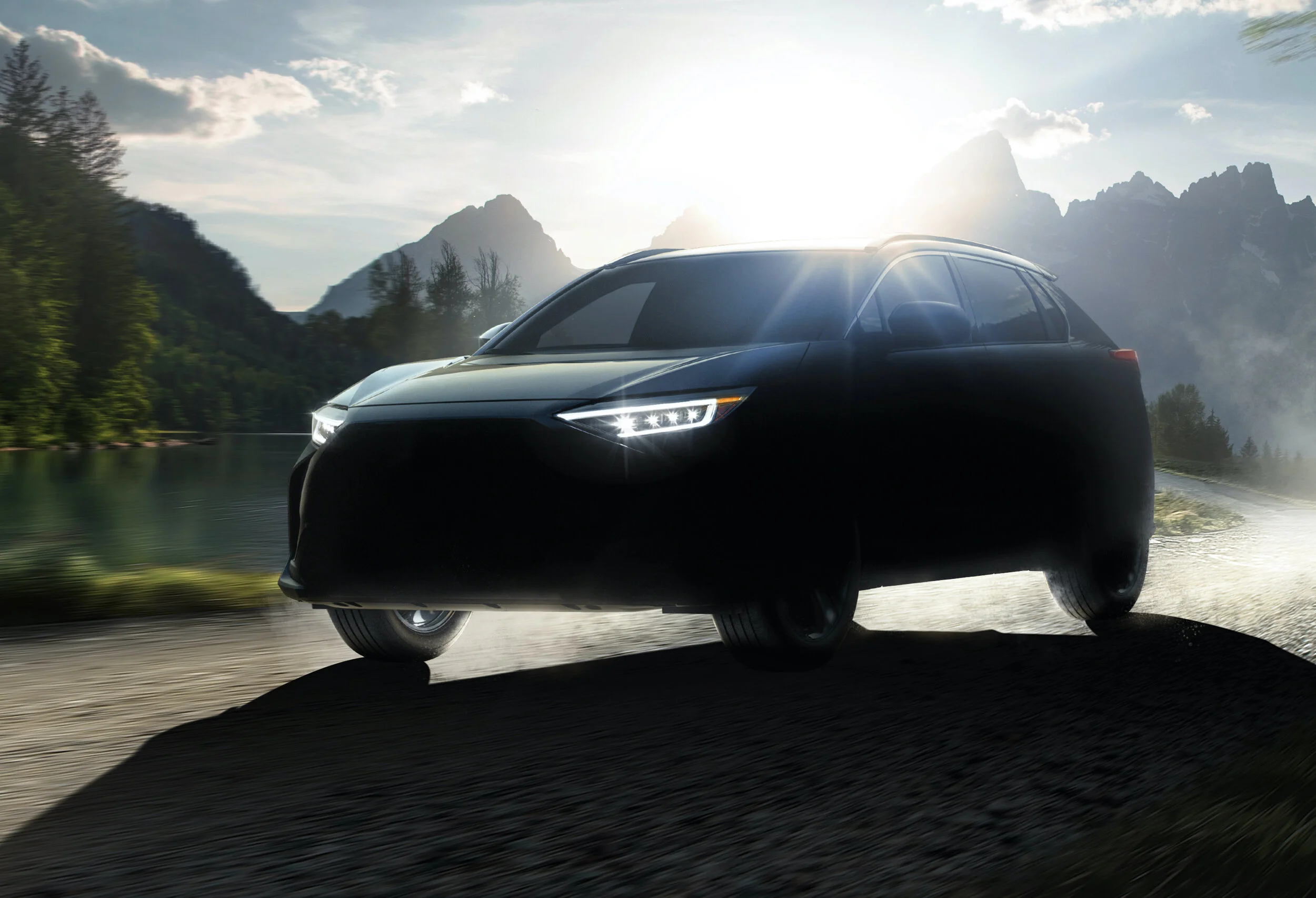
Read MoreWHEN it comes for a love of the outdoors, Subaru is right up there with the best of them – so quite fittingly, it has given its first electric car, a robust-looking compact crossover, a name that fits.
New Zealand is in line to see the Solterra, a tag that presents as a conjunction of the Latin for ‘Sun’ and ‘Earth’ and emphasise the car's environmentally friendly context.
Read MoreFORWARD orders for new Toyota and Lexus models have reached 11,000 unites, effectively six months’ sales, and buyers are generally in for prolonged wait times.
An unprecedented accrual for Toyota New Zealand affects every model it represents, general manager of new car sales Steve Prangnell says, including one still to come, the next version of a traditional big seller, the Toyota Highlander.
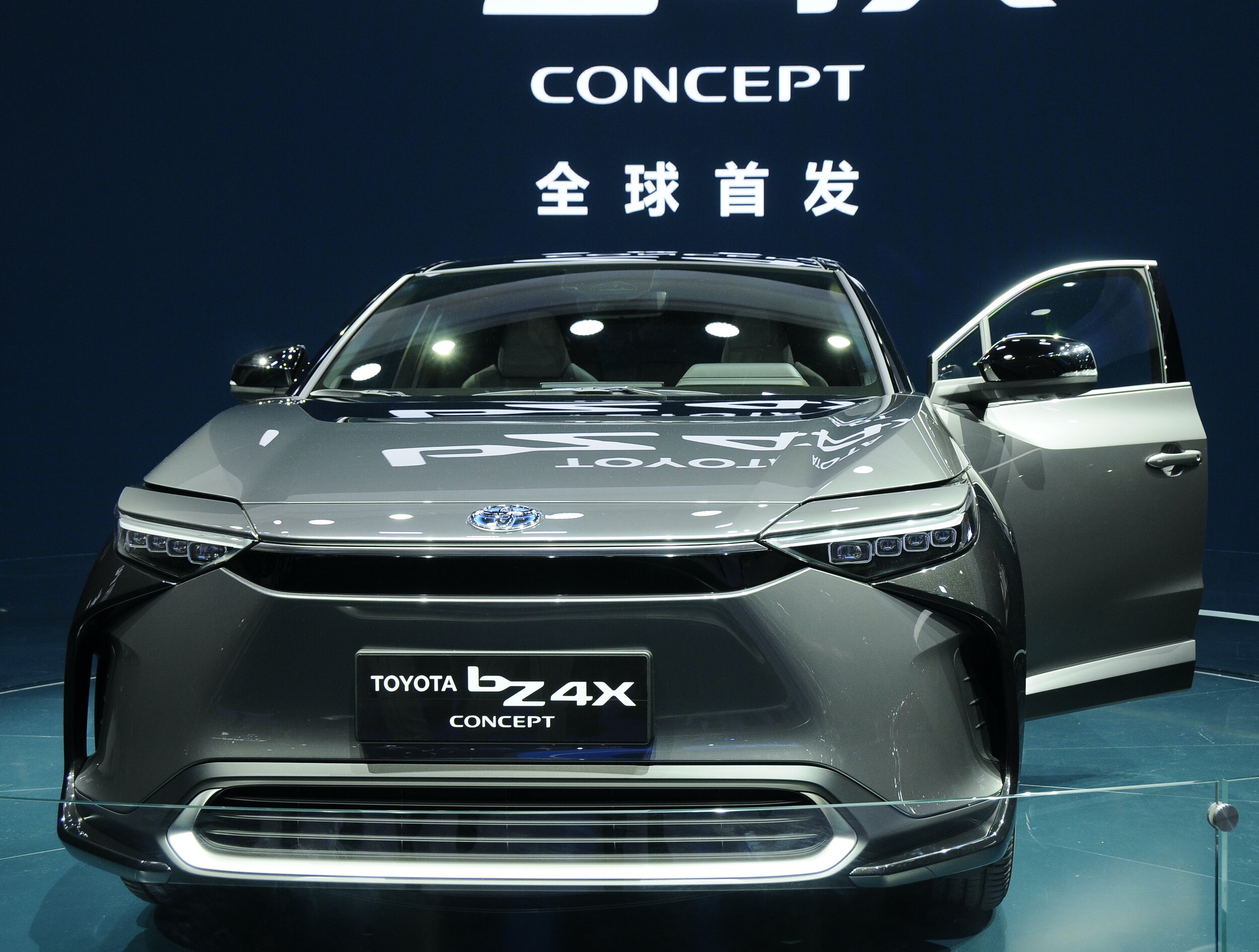
Read Morebz4x previews toyota’s first fully electric car, out next year. But it doesn’t mean every future Toyota will power play this way.
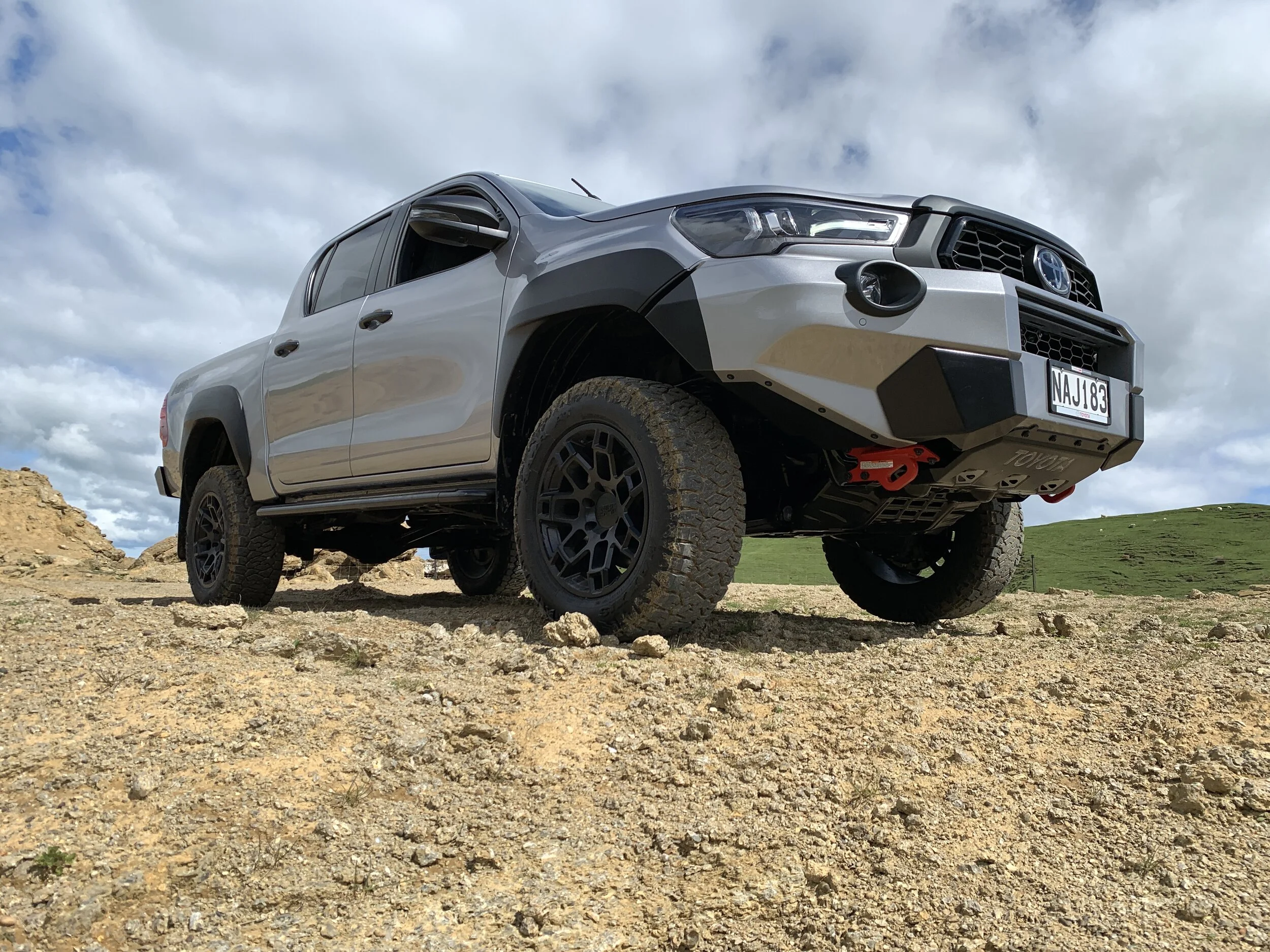
TOYOTA has fired up focus on the potential for a New Zealand market icon, the Hilux, being battery-driven yet also suggested a fully electric driving world is improbable.
The matters have been addressed by Toyota Australia, which has acknowledged that the push to add hybrid or pure electric power to all models could eventually see the introduction of a battery-compelled version of the top-selling one-tonne ute.
Additionally, however, the distributor has spoken stridently in suggesting not every vehicle on the planet can ever switch to pure electric power, primarily because this transition would simply shift the problem from tailpipes to power stations.
This viewpoint has spurred Toyota New Zealand to say that it’s a reminder that each country has its own challenges and that our neighbour’s are different to our own.
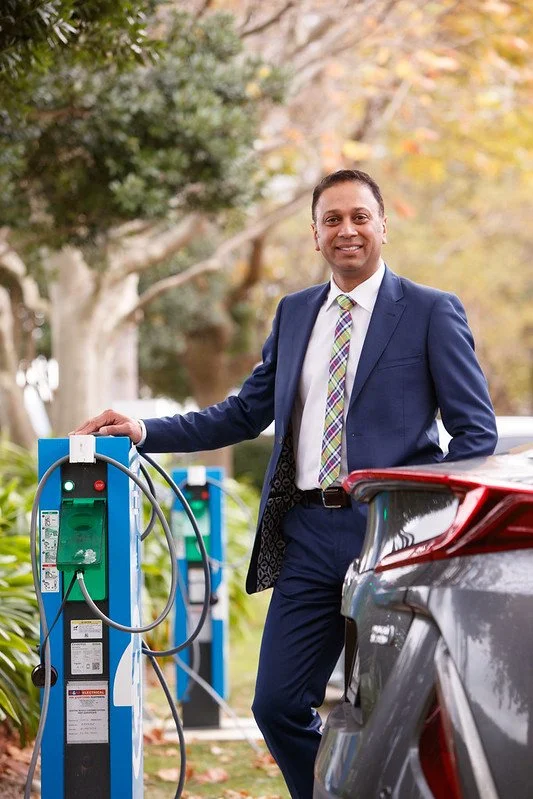
Says TNZ chief executive Neeraj Lala: “The challenge for Australia and TMCA (Toyota Motor Corporation Australia) is that in transitioning to BEV a large proportion of their electricity is generated by fossil fuels hence the commentary on shifting the problem.”
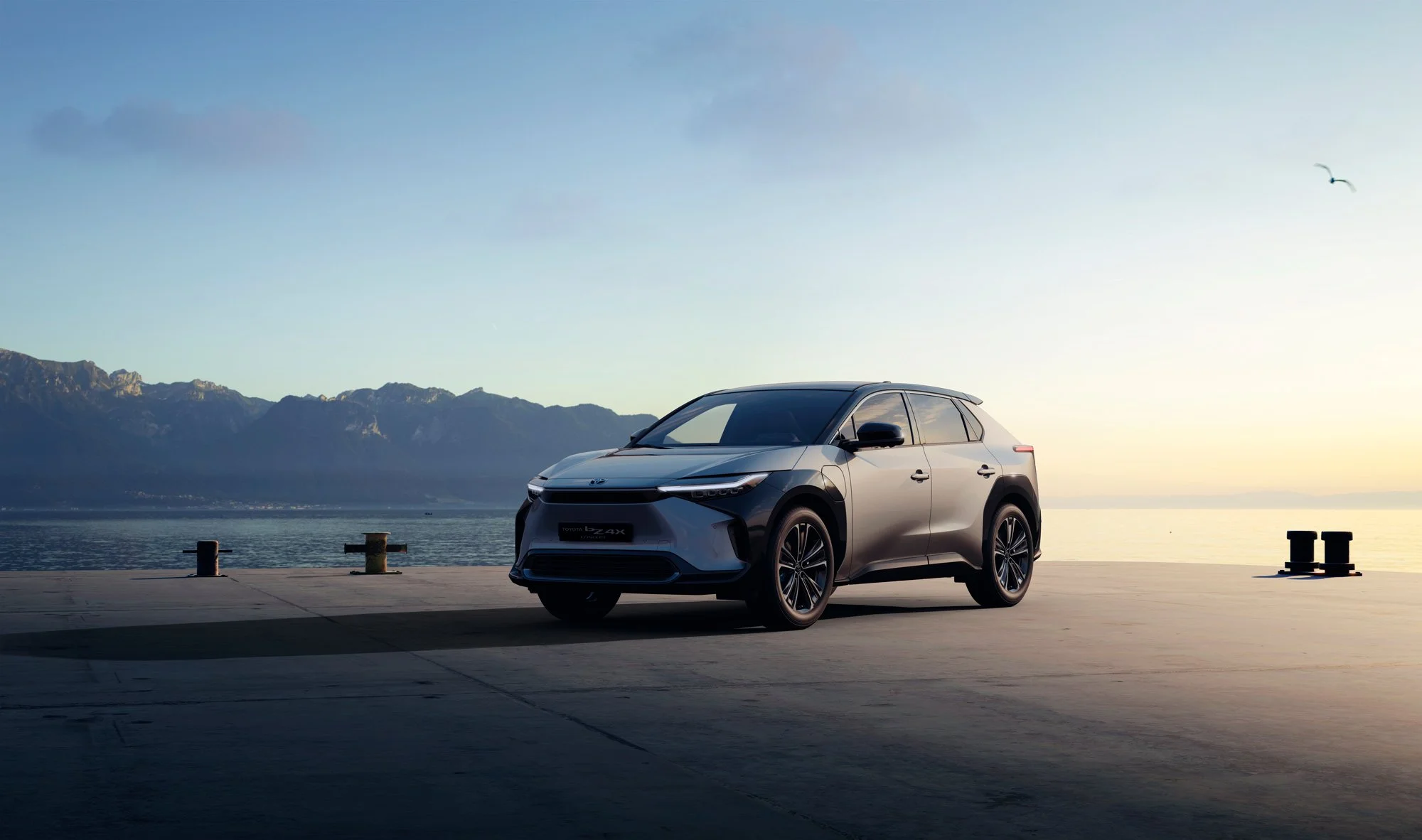
In comment on Tuesday, a day after the home office of the world’s biggest car maker unveiled the pure-electric BZ4X, a RAV4-sized and styled model that has been confirmed for New Zealand availability from 2022, the Australian operation’s sales and marketing boss contended: “Despite this week’s focus on (pure-electric cars), we cannot achieve carbon neutrality simply by turning all our cars into (pure-electric vehicles).”
The statement from Sean Hanley is potentially a litmus paper to electric vehicle supporters who hold belief there is no reason why New Zealand should not stop the sale of new fossil fuelled vehicles by 2035, as proposed by a Government study, and wholly embrace a mains-fed future.
On this, Lala says: “That is an issue at the source of electricity generation for Australia (albeit it a far smaller issue here in NZ) … we have our own challenges and need to continue to work with the Government and relevant industries to continue our transition to a low emission vehicle fleet in NZ.”
The new car market leader concurs with a view also put by the Australians – namely, that the world of tomorrow will be better served by a choice of future vehicle technologies.
To that end, Toyota says over the next decade it will expand its choice of technology – beyond petrol and diesel vehicles – by introducing more hybrid, plug-in hybrid, pure-electric, and hydrogen models.
A fully electric Hilux? Never say never, apparently.
Lala offered that because each country has its own unique challenges in considering models in their market including powertrains and electrification “…the Toyota global view has been to not focus on just one but multiple powertrain options so countries and customers can have a variety of low emission options that suit them.
“As the technologies advance, there is a likelihood that electrified models will span across our whole model range (this is our longer term objective) and if these are developed and introduced as HEV, PHEV or BEV has a dependency on how mature the market is and what benefits the power train can offer the customers in that market.”
While not responding directly to the concept of a battery Hilux, he offered this view. “ … NZ customers want more rugged utes that can go off-road, tow and carry loads so a BEV option would need the support of charging infrastructure in both urban and rural/remote locations to be practical for our customers.”
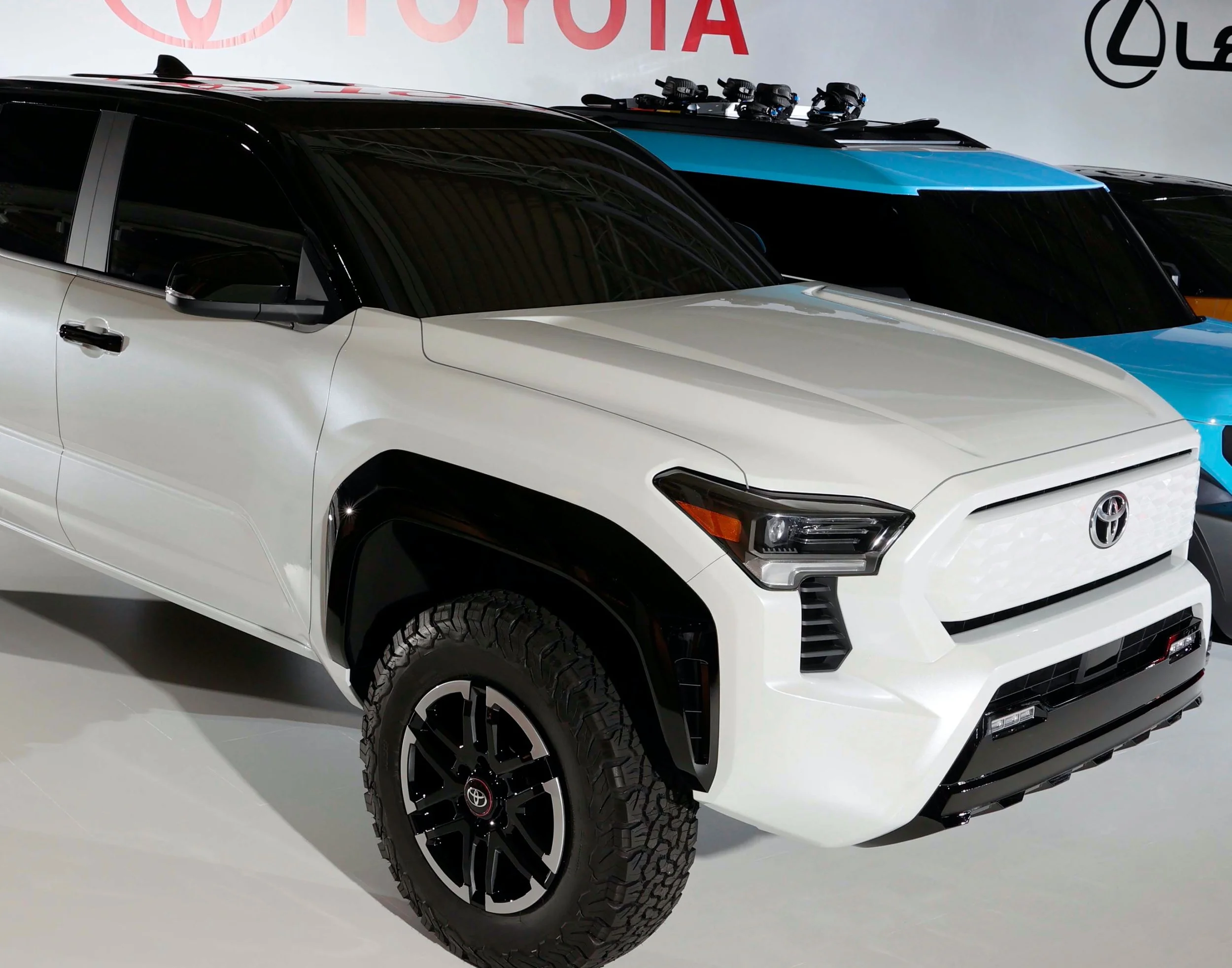
The idea of an electric ute fits in with contention from Toyota’s agency in the United States, which this week let slip that pick-up trucks it sells will take this form of propulsion.
The timing is anyone’s guess. Having previously said it wanted to have battery-influenced versions of every important car it makes in circulation by 2025, Toyota Japan this week pushed out that timeframe to 2030.
Also, while Toyota has said a Hilux EV could happen, it also says that it might be a decade before we see it. In the interim, then, a hybrid option could still be in the more immediate future.
The thought out of Australia about the purely battery-fed Hilux has come with a caveat about the need for such a vehicle to be up to surviving Australia’s tough conditions.
However, when asked about the imminent arrival of electric versions of the Tesla Cybertruck, Ford F-150 and Chevrolet Silverado in the US – and the possibility of a Toyota rival – Toyota Australia executives reportedly said an electric Hilux could not be ruled out.
The CarAdvice website has quoted the senior product planner for Toyota Australia, Rod Ferguson, as saying: “We have not ruled out a pure-electric Hilux” and, though such a vehicle would “definitely be a challenge, but until we get to point where we say we can’t do it, we will explore every option”.
Advancements in battery systems could one day make an electric heavy-duty ute possible, Ferguson said.
bz4x is RAV4-sized, but will it compete directly with the popular sports utility?
“We need to consider the packaging and changing platforms (vehicle architecture). We haven’t ruled it out.”
In respect to the idea of an utterly electric driving world, Toyota Australia’s executives are not so sure.
According to Hanley: “One-quarter of the world’s CO2 emissions today come from electricity generation. Even by 2040, more than half the world’s electricity is expected to be generated by fossil fuels.”
“Therefore, if all cars were to become (pure-electric vehicles), the demand for electricity would increase and carbon neutrality could be a long way off.
“We simply cannot achieve carbon neutrality by only producing electric vehicles,” said Hanley, especially as “more than half the electricity generated by 2040 will still be powered by fossil fuels.
“In the end, the main driver of electrification (of vehicles) will be … the consumer,” said Hanley, adding that Australians have a “broad use” of vehicles and a vast range of demands, from rural and city use to mining and off-road driving.
“Our vehicles must be fit for purpose. There’s no point bringing a car to market if it can’t do what consumers want.”
MotoringNZ reviews new cars and keeps readers up-to-date with the latest developments on the auto industry. All the major brands are represented. The site is owned and edited by New Zealand motoring journalist Richard Bosselman.
NEWS | FIRST DRIVE | TESTED | VIDEO | CONTACT | THE CREW | TERMS + CONDITIONS