
Fresh car to sell … fresh way of selling
/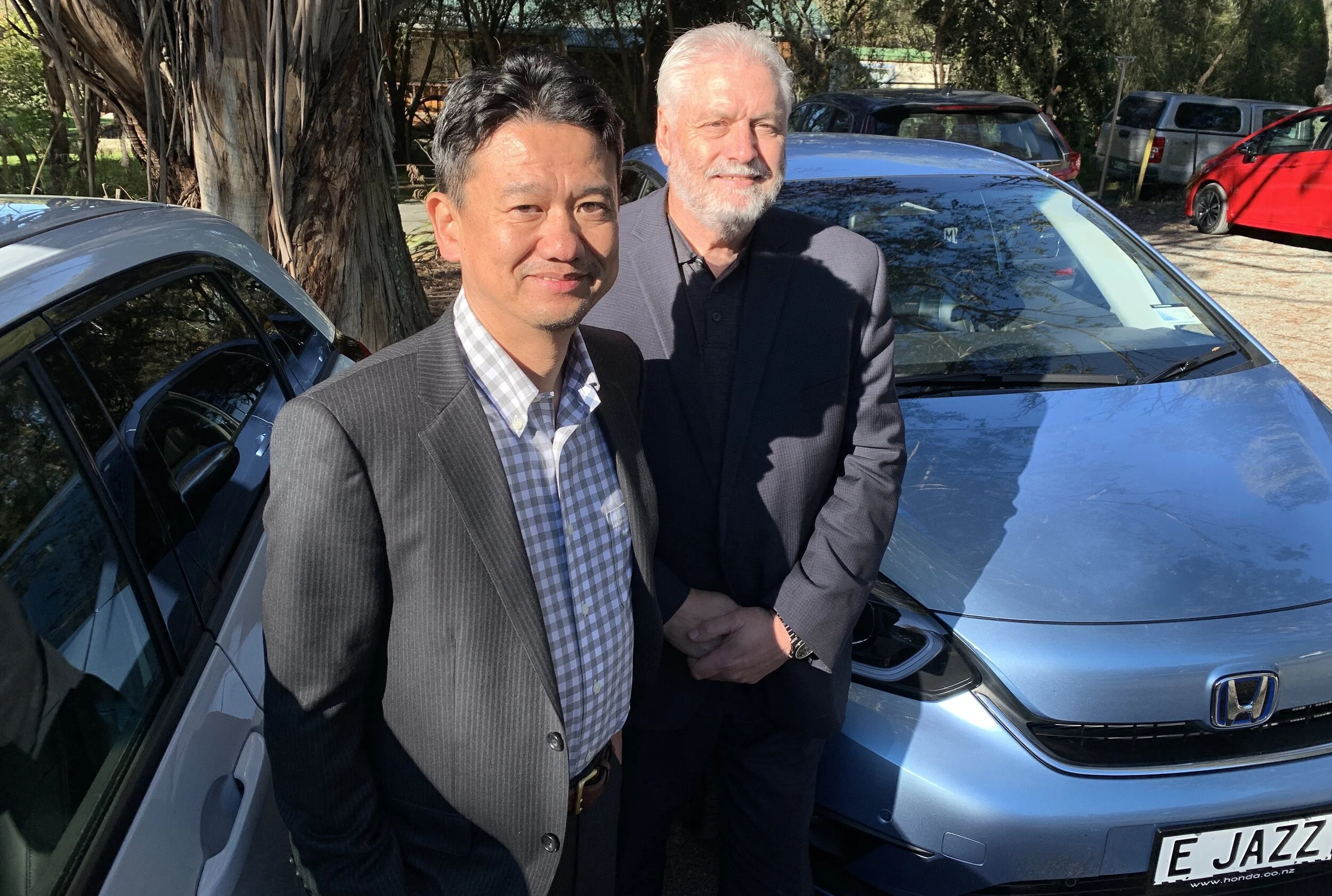
Honda NZ high-ups discuss the reasons for changes to the long-standing Price Promise policy and talk cars.
Read MoreHonda NZ high-ups discuss the reasons for changes to the long-standing Price Promise policy and talk cars.
Read MoreANNOUNCEMENT today of Ford New Zealand having joined the primary independent pressure group for electric vehicle uptake isn’t a signal it is any closer to including the Blue Oval’s first fully-fledged battery-compelled car, the Mustang Mach E, into its portfolio.
This today from the brand’s communications manager, Tom Clancy, who says there is still no clarity as to when, or even if, the five-seater sports utility might be sold here.
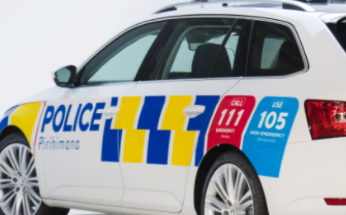
Read MoreCASE closed: Skoda itself has shared key information, never disclosed locally, in respect to the police buy-up of Superb station wagons as front-line cruisers – exactly how many are coming and over what period.
In a release it sent out from its headquarters in Mlada Boleslav to celebrate to contract, the Czech marque has identified that the contract is to supply 2000 cars over the next four years.
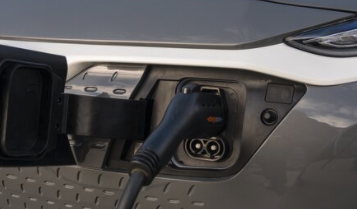
Read MorePOTENTIALLY more than half of the 800 electric Hyundai Konas so far sold in New Zealand are set to require a battery transplant, with surgery unlikely to start before August.
Even this is still something of a guesstimate for Hyundai New Zealand, with the Auckland-based distributor admitting it is still chasing up vital information from the factory, two months after Seoul announced a worldwide plan to replace the drivetrain-vital battery pack.
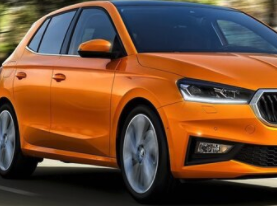
Read MoreNEW platform, new kit, new look – and, perhaps, a fresh new start?
Skoda New Zealand intends a second-quarter of 2022 release for the next-generation of the Fabia, the Czech marque’s baby hatchback whose latest look and technical detail has just been unveiled internationally.
Read MorePLENTY of fresh stock, plenty of willing buyers – despite all the travails occurring here and overseas, the new car market nonetheless ran extra hot last month, with a record return according the distributor organisation.
The Motor Industry Association says it was the strongest April on record for sales of new vehicles.
Read MoreAN end-of-2021 local market arrival timing has been announced for the UX 300e, the first Lexus to be wholly reliant on battery-fed electric power.
Confirmation of the small SUV’s local availability comes more than a year after the local arm expressed interest and almost two years since its global debut at a motor show in China.
Read MoreBEING in the business of making and selling products that create greenhouse gases responsible for global climate change also fuels Mazda’s eco-consciousness.
It all began in 2007 with Sustainable Zoom-Zoom, a multi-solution plan to reduce vehicle emissions; including a key resolution to reduce “well to wheel” CO2 emissions from its vehicles by 50 percent by 2030 and by 90 percent by 2050.
Read MoreAN update of one of the country’s favourite electric cars just hitting New Zealand has been cleared of an issue blighting the model.
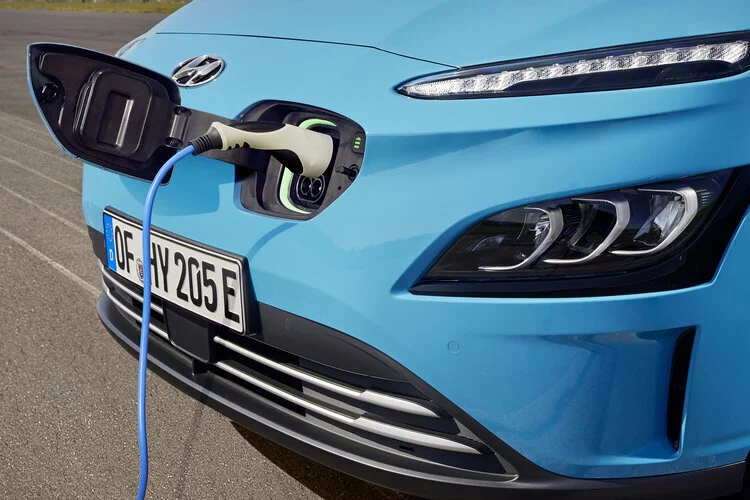
Hyundai New Zealand has assured that a mid-life facelift of its Kona Electric just releasing here now is free from a battery issue that, having been determined to be a potential fire danger, has triggered a global recall and seemingly resulted in the model being pulled from sale in South Korea last week.
Read MoreTHE latest entrant to the electric car sector is also proposing keeping petrol and diesel vehicles in circulation for decades yet.
Mazda New Zealand’s call is tied to adoption of synthetic fuels that could make internal combustion engine (ICE) vehicles just as clean as electrics.
Read MoreTHAT look of excitement you should feel when driving a steroidal performance model?
Hyundai reckons it’s worthy of a special button in its latest N model.
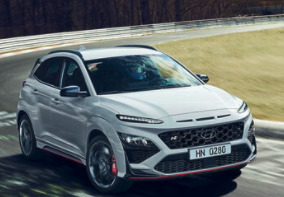
Revealed internationally overnight and set for New Zealand introduction later this year, for an as yet undisclosed price, the high-performance edition of the Kona crossover has many features to distinguish itself from the mainstream models – including what they taken to call the ‘N Grin’ button.
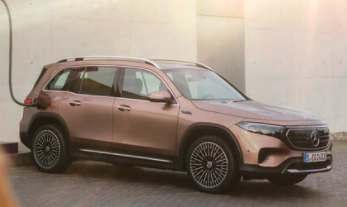
Read MoreFAMILY requirement for a compact seven-seater electric car that sidesteps styling like a sports utility has just been answered by Mercedes – but Kiwis feeling the need will have to wait until 2022.
This from the brand’s New Zealand operation in respect to the EQB, to all intents a battery-compelled version of the GLB, which has fast risen up the popularity scale since recent national release, and also closely related to the entirely electric EQA compact crossover that has just shown up here.
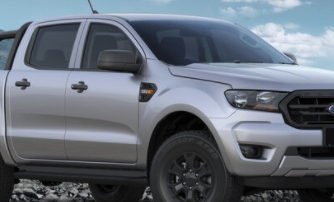
Read MoreSEVERAL updates implementing in the Ford Ranger for what is likely its final full year of sale have been announced in its country of birth – but the impact on this side of the Tasman has yet to be clarified.
The most relevant change to the NZ market-dominating model for Kiwis is that the XLT variant heavily favoured here adopts adaptive cruise control as standard. This feature allows the vehicle to 'latch' on to the vehicle ahead and maintain a safe following distance.
Read MoreTHOUGHT an innovative electric powertrain will prioritise in the next Nissan X-Trail seems to have been cemented with the car’s full reveal.
Nissan chose the Shanghai motor show that opened this week as the venue to fully display the car and also confirm that it will option in seven seat form and also deliver with the new ePower powertrain technology.
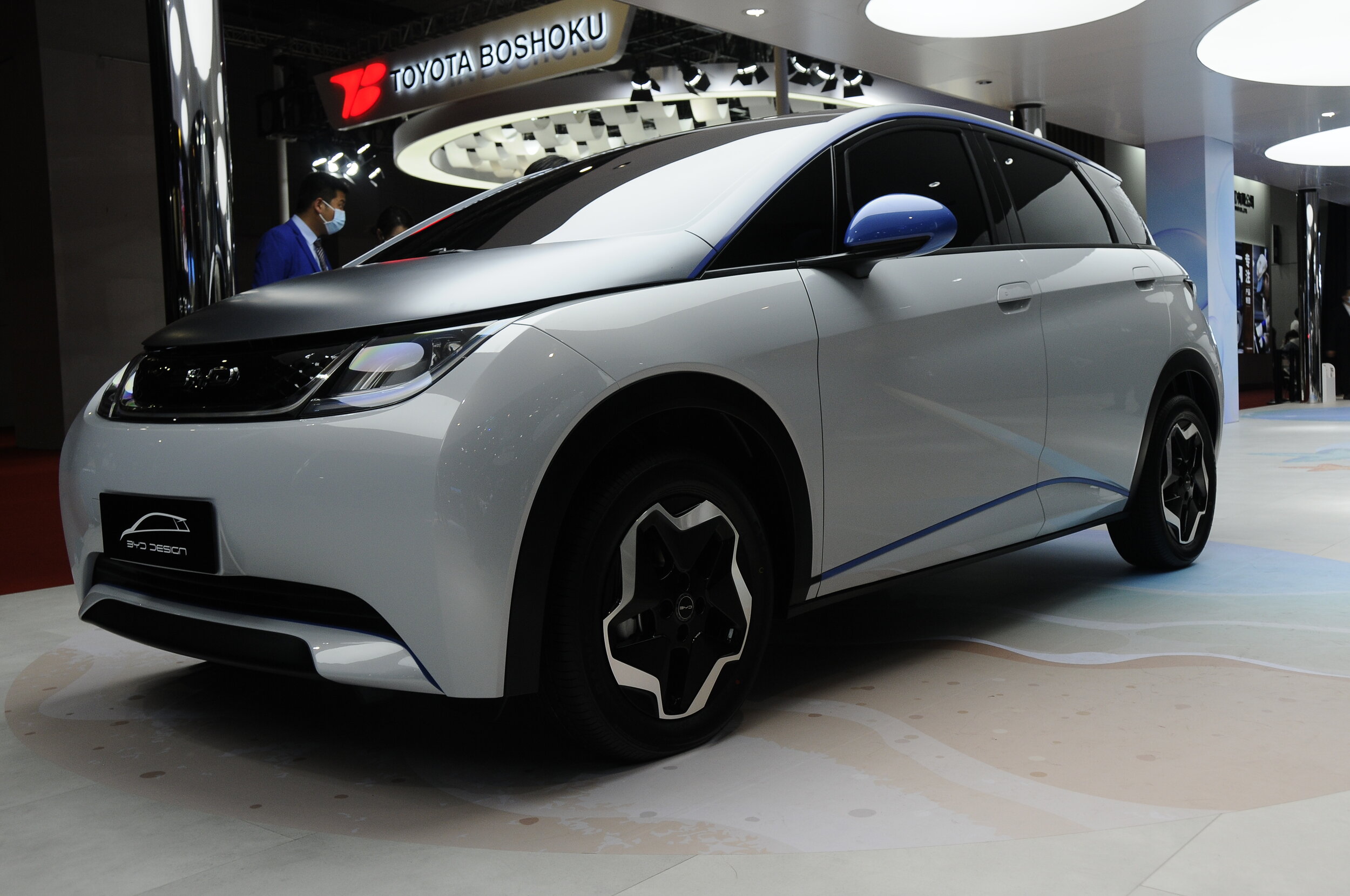
Read MoreA SMALL electric hatchback with a 1000 kilometre range and a sub three seconds acceleration seems set to be part of a sales push by a Chinese brand seeking to establish here.
The EA1 hatchback is a product of BYD – for ‘Build Your Dreams’ - revealed at this week’s Shanghai motor show in standard and performance themes.
The BYD brand has recently announced intention to begin sales in New Zealand and Australia, via an independent distributor, Nexport.
Media in Australia have suggested the EA1 will become a star model in a line-up also expected to include a Tesla Model 3-rivalling sedan called the Han, an electric sports utility called Tang, a plug-in hybrid crossover called Song and potentially the Qin, a small sedan.
This car, and a concept also on display, are the first products designed under the direction of the make’s newly-appointed global head of design Wolfgang Egger, a German formerly of Audi.
The EA1’s enormous driving performance and range arrive as result of it employing BYD’s latest technology, the brand says. The quoted figures for energy consumption and range might be treated with circumspection as China calculates with the NEDC formula, which is now considered outdated. The latest standard is WLTP.
The car is the first on a new e-Platform 3.0 and an 800-volt ‘Blade’ battery claimed to be capable of receiving 150km worth of charge every five minutes.
Battery capacity is yet to be revealed, but according to the Chinese carmaker, it will provide enough power to catapult the five-door from standstill to 100kmh in under 3.0 seconds – a feat that presently restricts to high-performance supercars and the fastest Teslas and is beyond any other small EV sold anywhere.
The battery cells are directly integrated into the vehicle's structure which frees up space and provides more structural rigidity, as well as safety, in the event of an accident.
The website for Australia’s Wheels magazine says Nexport has confirmed the EA1 will be coming, but was unable to reveal further information due to an embargo.
The distributor has claimed that it will place a small BYD car in a price zone that will reset the entry price for a new electric car, however it is unclear if that status will fall to the EA1 or another like-sized model, the BYD E2 which was first introduced in 2019.
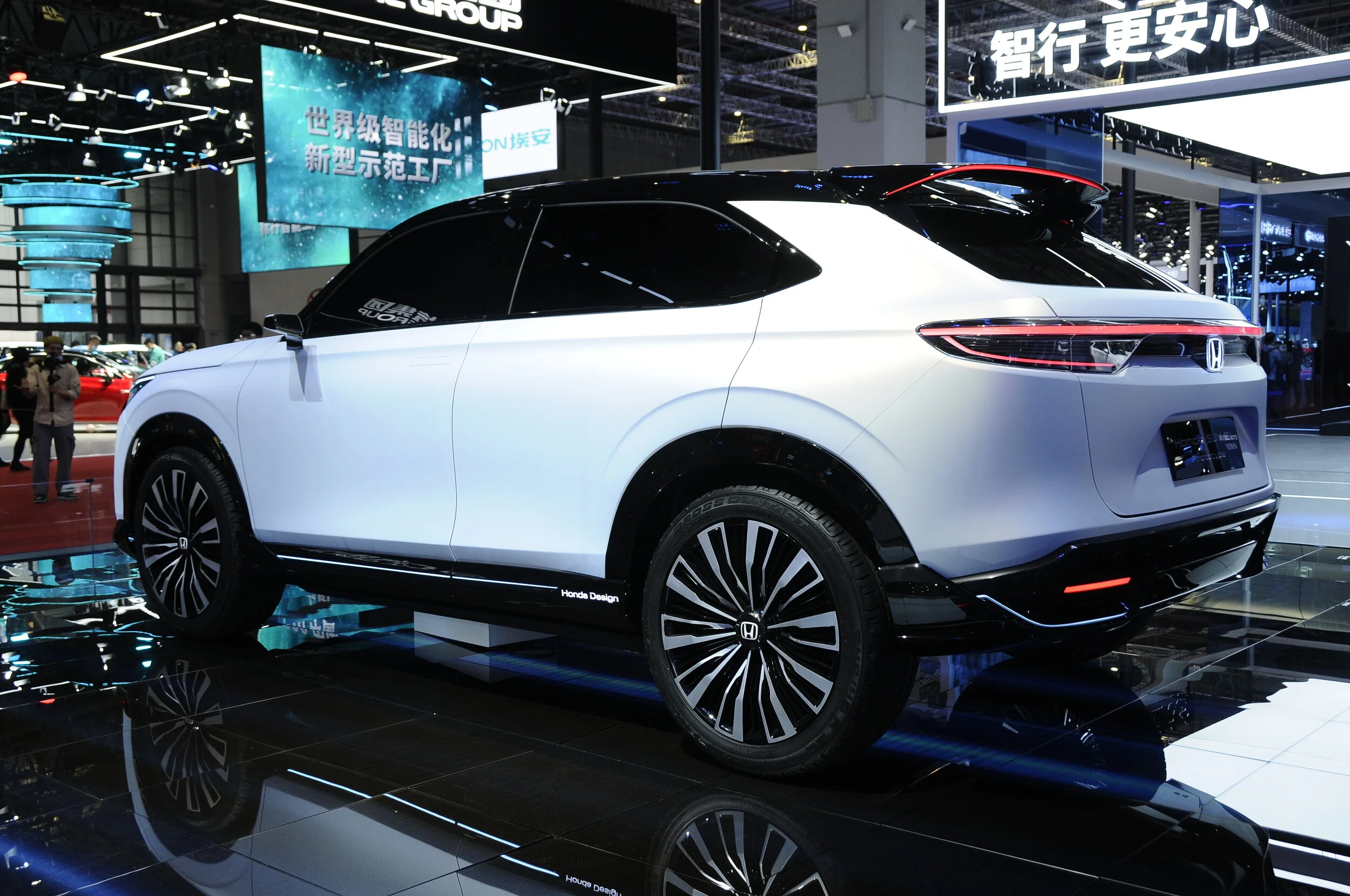
The SUV e:Prototype is an electric version of the next-generation HR-V, below, expected to show in NZ.
MIGHT the next generation of Honda’s smallest crossover be set to hit in a fully electric specification to offer as an alternate to petrol-hybrid and fully fossil-fuelled versions already cited for New Zealand?
That speculation in respect to the HR-V has been fuelled by the brand’s star attraction of this week’s Shanghai motor show.
Even though the front and rear styling has been heavily revised, the SUV e:Prototype is clearly based on the new HR-V, which Honda unveiled several months ago and is expected to reach New Zealand in the second quarter of 2022.
Honda has confirmed that the e:Prototype is destined for production, with plans to be rolled out on a global scale.
Some say this means it could be the first electric Honda to be officially offered in our market.
Honda says the car is the first of 10 similar electric vehicles it intends to roll out over the coming five years.
Aside from the design influence from the new HR-V, it has bespoke touches of a thin LED strip in the front and at the top, LED eye-shaped headlights and thin side mirrors.
The LED logo in the front envelops the panel which comes as its charging port. The sides of the vehicle include retractable front door handles, black body cladding, while the rear of the SUV sports twin tail lamps integrated by a light bar and the Honda logo in the middle.
The model features the company's proprietary ADAS driver-assist and safety systems and Honda Connect, which enable Wifi connectivity, over-the-air updates and a smartphone link leveraging a voice recognition mechanism.
Honda says the car’s AI-driven smarts furnish users with connectivity to online shopping and smart home appliances and also utilises digital key via the smartphone.
The company has not revealed any specifications of the battery size, number of electric motors, power or driving range.
ONE of New Zealand’s most popular electric cars, the Hyundai Kona EV, has reportedly been withdrawn from sale, but only in its home market.
Media in South Korea are reporting today that Hyundai is discontinuing the model’s local availability, saying the decision to “phase the car out” locally is as a result of a massive recall due to a fire risk in the battery pack, an issue that first became public in news reports last October.
Yonhap News Agency reports that the car’s image has been tainted by a series of battery fires, which prompted the maker to recall more than 75,680 units in February jointly with battery maker LG Energy Solution Ltd.
They say the five-seater medium sport utility will continue to be built for export.
Comment about the situation and any implications for this market has been sought from the brand’s national distributor.
Hyundai New Zealand has enjoyed great success with the model, which it introduced in 2018 and sells in $76,000 and $86,000 formats. It is poised to release a mid-life update variant with performance and range improvements plus styling and specification changes.
The fire danger issue for Kona EV also implicated the smaller Ioniq hatchback in its fully electric format and has made headlines in South Korea for some months.
It was acknowledged by Hyundai New Zealand on February 25, a day after Hyundai Korea announcing intention to replace the batteries in 82,000 vehicles, the majority of them Konas, at cost of around $US900 million. It’s been called the biggest and most expensive recall for any electric car.
Since then Hyundai distributors around the world have progressively initiated recalls to undertake the intensive and time-consuming process of a battery swap, but it is still not clear if Hyundai NZ has started this process.
Last November it recalled 724 Kona EVs in NZ ownership – examples built between September 29, 2017, and March, 20, 2020 - having been advised by the factory that "the lithium-ion battery may have internal damage or the battery management system control software may cause an electrical short circuit after charging" which could result in a fire.
The immediate remedy for this was to change the battery management system and, if that did not work, Hyundai advised the same procedure it proposes for the global recall – pulling out the battery, a hefty and large item which completely fills out under the floor and is all but a structural component, and replacing it.
When last approached for comment, in late February, a spokesperson for the Auckland-based distributor said it was aware of the situation “however, (we) are waiting for official communication from Hyundai Motor Company with regards to this recall and the number of EVs affected here in New Zealand.
“Safety of our customers is paramount, so as soon as we have a list of affected vehicles we will contact those customers to advise next steps.”
As of mid-afternoon today, no action for the problem had been notified on the national new vehicle recalls register.
When the story broke, a major South Korean news outlet, Business Korea, reported 15 individual incidents of battery-related fires as having been recorded in Kona EVs. Similar fires have also been reported in Ioniq electric cars.
Since this matter first aired Hyundai has announced a new generation electric car, the Five, produced under a freshly-established sub-brand that it (confusingly) also calls Ioniq.
The Ioniq 5 will release in New Zealand late this year; it is a larger, more powerful car than the Kona EV and, being based on a new bespoke platform and having more technology, is expected to be rather more expensive.
Korean news agencies said today that Hyundai will from now on promote the Ioniq 5 as its primary electric offering in South Korea.
Hyundai will only sell Kona EVs in stock for the domestic market, while continuing to export them to overseas markets, company officials said.
Yonhap reported that the production of Kona EVs has been halted since March “in consideration of the domestic demand and to realign the assembly line for new EVs."
Hyundai sold more than 10,000 Kona EVs in South Korea in 2018 and 2019, but sales dropped to about 8000 units last year following the fires and what Yonhap has described as “the maker's mishandling of the recall programme.”
Hyundai sold only 984 units in the domestic market in the first quarter, a 40 percent drop from a year earlier, while its overseas sales fell 17.9 percent on-year to 7428 units, its financial reports showed.
The brand has high hopes for Ioniq 5, saying it has received strong responses in the domestic market alone, drawing over 40,000 preorders so far.
CONSUMER swing toward two strong-selling Volkswagen crossovers will weigh on unreconciled decision-making about whether the heavily revised Polo small hatch revealed in Europe today finds its way to New Zealand.
This today from the distributor, with a spokesman for Volkswagen New Zealand commenting: “We are still in discussions with the factory over the Polo facelift for New Zealand for 2022.
“The current Polo will continue to be sold well into next year.
“Polo is an important vehicle for us, but we are seeing customer demand moving from the hatches into sports utilities such as T-Cross and T-Roc.”
T-Cross is based on the same MBQA platform as the new Polo whereas T-Roc is the next size up and drawn off a Golf underpinning. The two models together account for a substantial chunk of VW NZ registrations, far more than are achieved by Polo, which in present form releases in 1.0-litre base, R-Line and 2.0-litre GTI formats.
The facelift is a massive refresh, basically turning this sixth-generation car into a pint-sized replica of the new Golf, with a swath of technologies first seen in the larger hatch transferring across. In addition, as the images, it achieves a styling update that also cements association with the big brother.
The front end achieves a fresh front bumper and headlight arrangement incorporating a new LED lighting bar that runs from the new-look headlights (available with IQ. Light matrix LED technology for the first time) to the VW badge.
At the rear, the Polo receives new badging, the LED tail-light clusters have a Golf 8-inspired shape and can be had with dynamic indicators - the ‘wiping’ effect previously only found on more expensive VW Group cars.
The R-Line continues a sporty-looking but standard performance alternate to the genuine GTI and the Style and Life designations given the Golf now apply on Polo as well.
The interior refit is major. A digital instrument panel is standard, either eight inches or 10.25 inches in the Digital Cockpit Pro version, there’s a new multifunction steering wheel and the central display is also much like that in the Golf, with knobs and buttons replaced with a touch-sensitive panel, albeit only in models with automatic climate control. It achieves two USB-C ports, while a wireless smartphone charging bay is an option.
In respect to infotainment systems, the base car has a 6.5-inch display while more expensive versions adopt either a 8.0-inch touchscreen system or the highest-level 9.2-inch display. These come with Volkswagen’s We Connect connectivity , designed to deliver real-time traffic info and live music streaming in markets where those services are provisioned (so, not yet NZ). Wireless Apple CarPlay and Android Auto also include.
Semi-autonomous driving assistance comes to the Polo for the first time, with the adoption of the Travel Assist function available in the latest Golf and Passat. It can take over the accelerating, braking and steering of the Polo, from standstill in automatic models all the way to the vehicle’s top speed. It’s a combination of lane-keep assistance and the new predictive adaptive cruise control set-up, though the driver must keep their hands on the wheel at all times.
The United Kingdom is the only right-hand-drive market cited as certainty for the car at the moment. Engine provision there will consist entirely of 1.0-litre three-cylinder petrols for every mainstream variant; from a naturally-aspirated 59kW /93Nm option married to a five-speed manual gearbox then a pair of turbocharged TSI variants, one developing 70kW and the other making 80kW. If VW NZ does decide to continue with Polo, then the latter will likely be its preference, as it alone matches purely to a direct shift transmission, the only gearbox choice availed here. It’s still a seven speed.
The GTI is also to be continued, but VW won’t show off the new one until 2022. Belief is that it will continue with the current car’s 2.0-litre turbocharged four-cylinder engine. However, whether it continues to develop 147kW remains to be seen. Industry observers have noted that Volkswagen has had to decrease the power of some of its hot hatchbacks in the past, to comply with more stringent WLTP CO2 homologation.
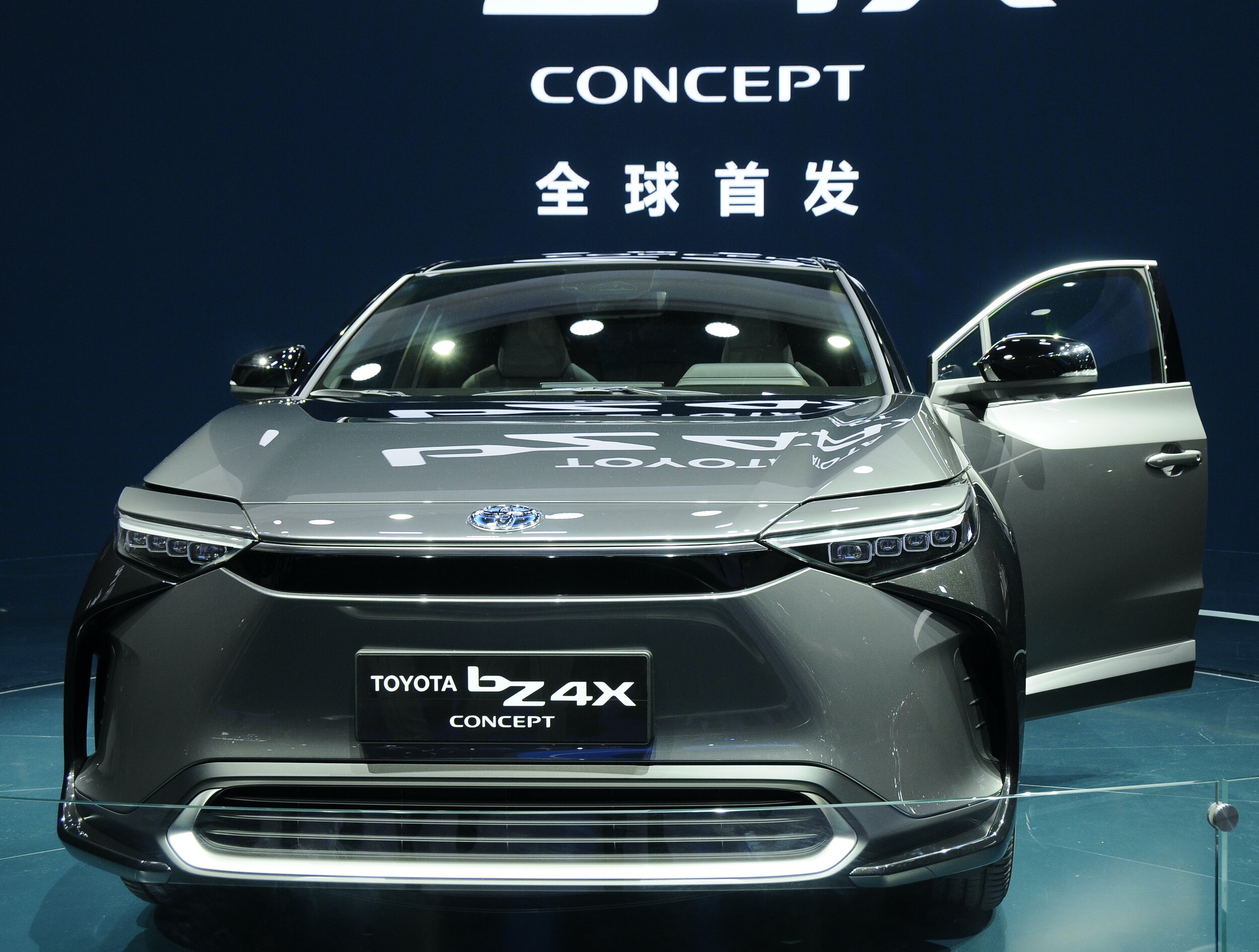
bz4x previews toyota’s first fully electric car, out next year. But it doesn’t mean every future Toyota will power play this way.
TOYOTA has fired up focus on the potential for a New Zealand market icon, the Hilux, being battery-driven yet also suggested a fully electric driving world is improbable.
The matters have been addressed by Toyota Australia, which has acknowledged that the push to add hybrid or pure electric power to all models could eventually see the introduction of a battery-compelled version of the top-selling one-tonne ute.
Additionally, however, the distributor has spoken stridently in suggesting not every vehicle on the planet can ever switch to pure electric power, primarily because this transition would simply shift the problem from tailpipes to power stations.
This viewpoint has spurred Toyota New Zealand to say that it’s a reminder that each country has its own challenges and that our neighbour’s are different to our own.
Says TNZ chief executive Neeraj Lala: “The challenge for Australia and TMCA (Toyota Motor Corporation Australia) is that in transitioning to BEV a large proportion of their electricity is generated by fossil fuels hence the commentary on shifting the problem.”
In comment on Tuesday, a day after the home office of the world’s biggest car maker unveiled the pure-electric BZ4X, a RAV4-sized and styled model that has been confirmed for New Zealand availability from 2022, the Australian operation’s sales and marketing boss contended: “Despite this week’s focus on (pure-electric cars), we cannot achieve carbon neutrality simply by turning all our cars into (pure-electric vehicles).”
The statement from Sean Hanley is potentially a litmus paper to electric vehicle supporters who hold belief there is no reason why New Zealand should not stop the sale of new fossil fuelled vehicles by 2035, as proposed by a Government study, and wholly embrace a mains-fed future.
On this, Lala says: “That is an issue at the source of electricity generation for Australia (albeit it a far smaller issue here in NZ) … we have our own challenges and need to continue to work with the Government and relevant industries to continue our transition to a low emission vehicle fleet in NZ.”
The new car market leader concurs with a view also put by the Australians – namely, that the world of tomorrow will be better served by a choice of future vehicle technologies.
To that end, Toyota says over the next decade it will expand its choice of technology – beyond petrol and diesel vehicles – by introducing more hybrid, plug-in hybrid, pure-electric, and hydrogen models.
A fully electric Hilux? Never say never, apparently.
Lala offered that because each country has its own unique challenges in considering models in their market including powertrains and electrification “…the Toyota global view has been to not focus on just one but multiple powertrain options so countries and customers can have a variety of low emission options that suit them.
“As the technologies advance, there is a likelihood that electrified models will span across our whole model range (this is our longer term objective) and if these are developed and introduced as HEV, PHEV or BEV has a dependency on how mature the market is and what benefits the power train can offer the customers in that market.”
While not responding directly to the concept of a battery Hilux, he offered this view. “ … NZ customers want more rugged utes that can go off-road, tow and carry loads so a BEV option would need the support of charging infrastructure in both urban and rural/remote locations to be practical for our customers.”
The idea of an electric ute fits in with contention from Toyota’s agency in the United States, which this week let slip that pick-up trucks it sells will take this form of propulsion.
The timing is anyone’s guess. Having previously said it wanted to have battery-influenced versions of every important car it makes in circulation by 2025, Toyota Japan this week pushed out that timeframe to 2030.
Also, while Toyota has said a Hilux EV could happen, it also says that it might be a decade before we see it. In the interim, then, a hybrid option could still be in the more immediate future.
The thought out of Australia about the purely battery-fed Hilux has come with a caveat about the need for such a vehicle to be up to surviving Australia’s tough conditions.
However, when asked about the imminent arrival of electric versions of the Tesla Cybertruck, Ford F-150 and Chevrolet Silverado in the US – and the possibility of a Toyota rival – Toyota Australia executives reportedly said an electric Hilux could not be ruled out.
The CarAdvice website has quoted the senior product planner for Toyota Australia, Rod Ferguson, as saying: “We have not ruled out a pure-electric Hilux” and, though such a vehicle would “definitely be a challenge, but until we get to point where we say we can’t do it, we will explore every option”.
Advancements in battery systems could one day make an electric heavy-duty ute possible, Ferguson said.
bz4x is RAV4-sized, but will it compete directly with the popular sports utility?
“We need to consider the packaging and changing platforms (vehicle architecture). We haven’t ruled it out.”
In respect to the idea of an utterly electric driving world, Toyota Australia’s executives are not so sure.
According to Hanley: “One-quarter of the world’s CO2 emissions today come from electricity generation. Even by 2040, more than half the world’s electricity is expected to be generated by fossil fuels.”
“Therefore, if all cars were to become (pure-electric vehicles), the demand for electricity would increase and carbon neutrality could be a long way off.
“We simply cannot achieve carbon neutrality by only producing electric vehicles,” said Hanley, especially as “more than half the electricity generated by 2040 will still be powered by fossil fuels.
“In the end, the main driver of electrification (of vehicles) will be … the consumer,” said Hanley, adding that Australians have a “broad use” of vehicles and a vast range of demands, from rural and city use to mining and off-road driving.
“Our vehicles must be fit for purpose. There’s no point bringing a car to market if it can’t do what consumers want.”
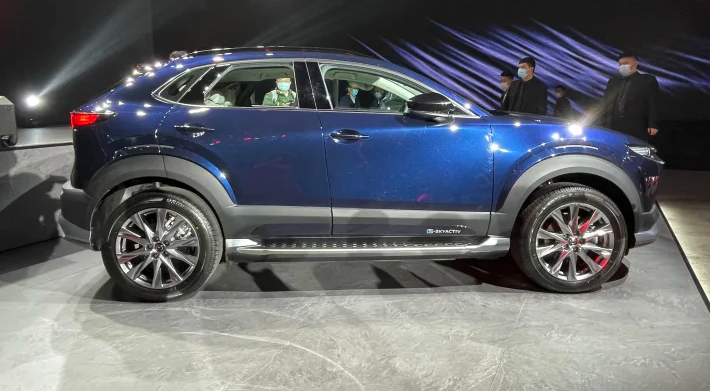
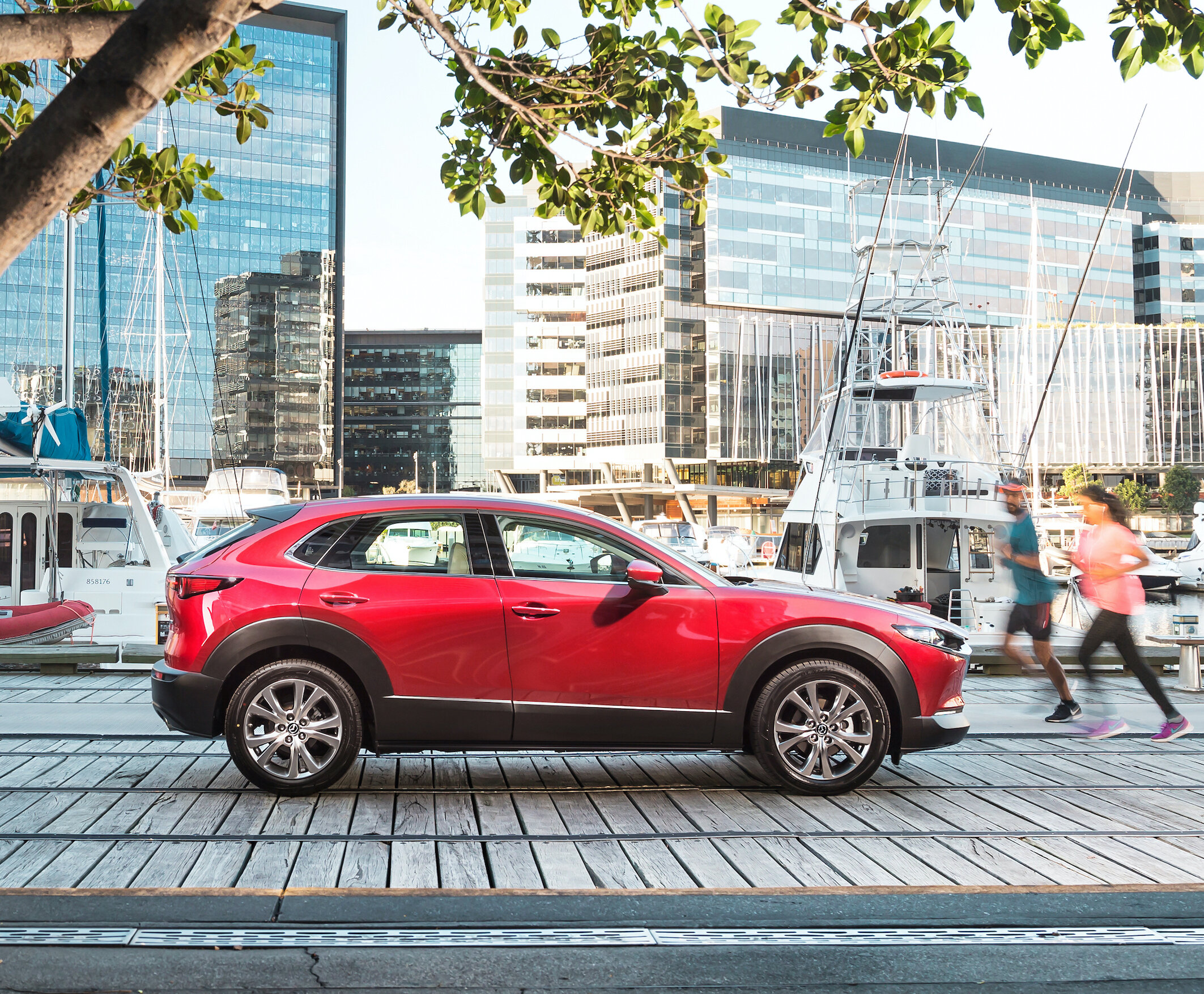
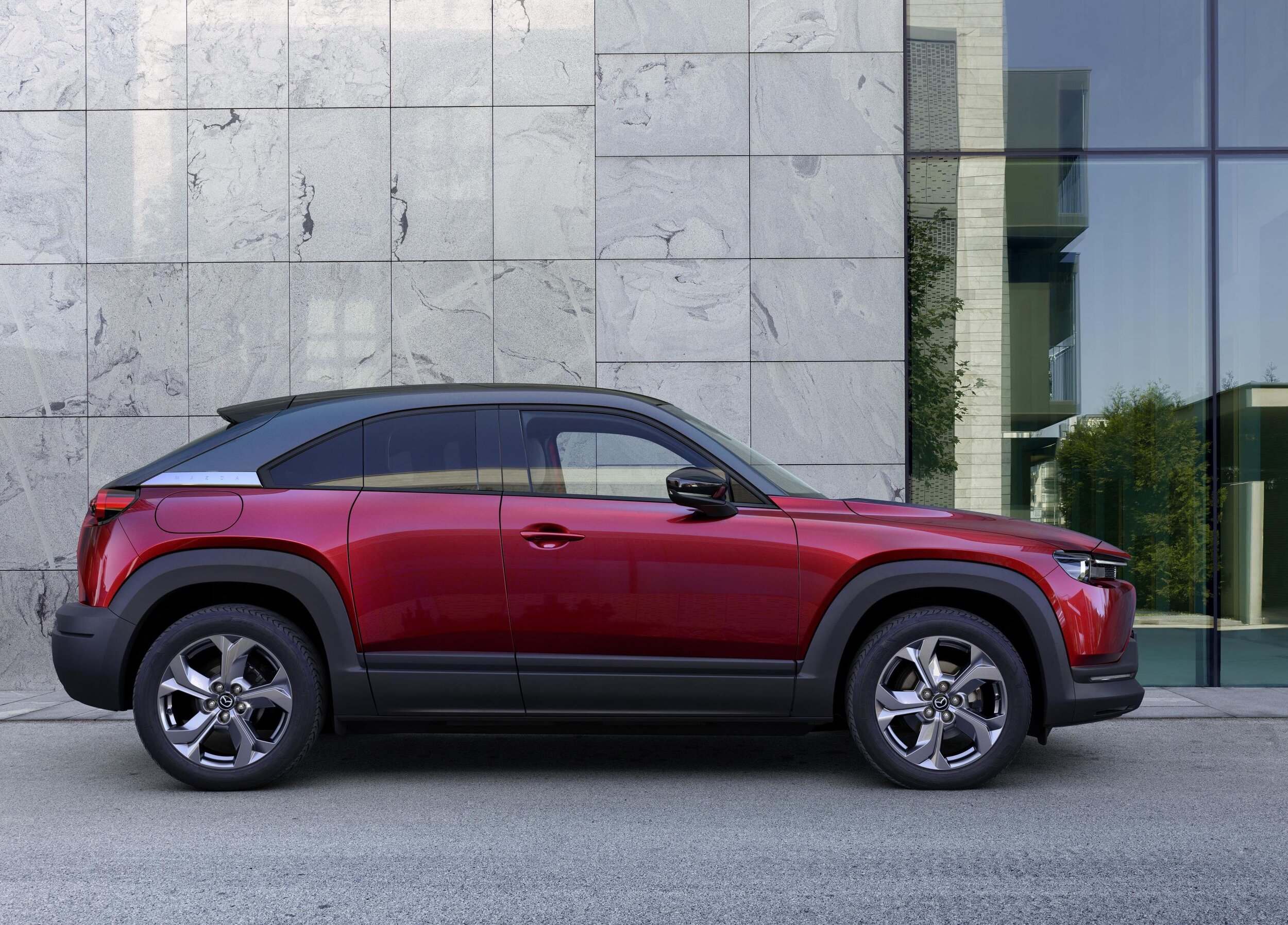
The CX-30 EV at the Shanghai motor show, above, is a derivative of the petrol edition popular with Kiwis (below) that appears to run the same drivetrain as the MX-30 Electric (bottom) about to release in New Zealand.
MAZDA’S electric vehicle family has doubled, but chances of one day seeing the ‘second child’ CX-30 in New Zealand alongside the battery-fed MX-30 about to go on sale here seem slim at best.
The fully mains reliant version of the CX-30 unveiled at the Shanghai motor show yesterday would conceivably attract Kiwi interest, as the petrol versions on sale here are popular sellers.
However, Mazda Japan has made clear the new car – called CX-30 EV - is for China only at this point.
That point is reinforced by it being set to be produced solely by the brand's Changan Mazda joint venture in Nanjing, China, rather than in Japan, the sourcing point for all Mazda NZ’s passenger product.
Despite having very different body styles – the MX-30 being more rakish and noteworthy for having pillar-less freestyle doors, which open outwards from the central B-pillar point – the MX-30 and the CX-30 are closely related.
Both are based on a common architecture, also shared with the Mazda3, and physical dimensions are very close.
The MX-30 formats in two distinct drivetrain provisions – there is one model designed to run with petrol engine-assisted hybrid and another that avails in full electric. Both are destined for New Zealand availability, pricing yet unknown.
The CX-30 EV also appears to share technology with the expressly battery MX-30 Electric.
The MX-30 MX Hybrid, meantime, is powered by a 2.0-litre, four-cylinder petrol engine paired to Mazda's M Hybrid system, producing maximum outputs of 114kW and 200Nm through a six-speed automatic transmission sending power to the front wheels only.
The addition of the mild-hybrid system means the model's official fuel consumption figure is reduced to a claimed 6.4L/100km on a combined cycle.
The MX-30 Electric looks much the same as the mild hybrid car, save for some subtle electric badging on the exterior and a combined AC/DC charging point where the fuel cap would normally be – on the rear right-hand side of the vehicle.
The electric model is powered by a 107kW/271Nm electric motor on the front axle and boasts a 35.5kWh lithium-ion battery pack mounted beneath the floor. It is thought the CX-30 EV has the same powertrain.
The MX-30 Electric is capable of up to 200km on a single charge according to the World harmonised Light vehicle Testing Procedure (WLTP). The CX-30 EV is thought to have the same range, which is notably lower than some key competitors, like the Hyundai Kona EV, which has 484kms on WLTP.
Styling differences between the CX-30 EV and regular model that Kiwis know are minimal, though the placement of the battery pack under the floor means the electric model rides somewhat higher than its petrol-powered counterpart. It runs on 19-inch wheels and has 'e-SkyActiv' badging.
It is not clear if the CX-30 EV could provision as the MX-30 Electric also ultimately will, with a petrol-fed rotary engine range-extender drivetrain.
MotoringNZ reviews new cars and keeps readers up-to-date with the latest developments on the auto industry. All the major brands are represented. The site is owned and edited by New Zealand motoring journalist Richard Bosselman.
NEWS | FIRST DRIVE | TESTED | VIDEO | CONTACT | THE CREW | TERMS + CONDITIONS