
Ups and downs of Ranger rejig
/Dropping that well-supported biturbo four-pot diesel means a big pricing revision for Ford’s one-tonner.
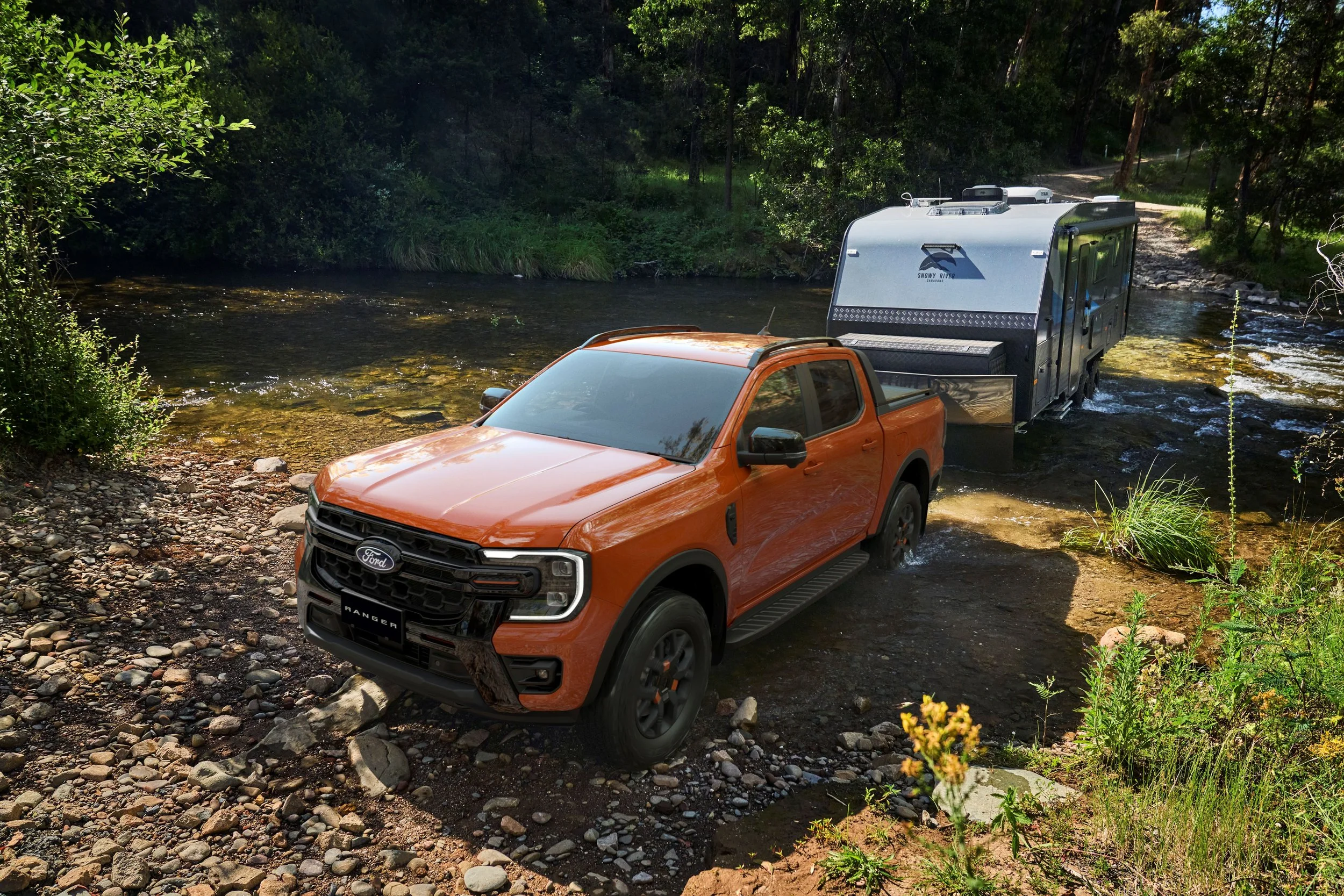
MOVING away from a now defunct staple engine of Ford’s Ranger will bring up to $2500 in savings if settling for less grunt - and up to $5000 more if chasing more.
That’s the outcome of a mass of pricing announced today for 19 models within the 2026 line-up of New Zealand’s top selling one tonner.
New supply is incoming from next month, so ahead of original schedule.
The new sticker spread starts with a XL single cab chassis 2.0-litre at $54,990 and reaches to the V6 Raptor petrol, a flagship still at $98,990.
It excludes the plug-in hybrids and also the forthcoming Super Duty editions, which are set to to be the most expensive Rangers we’ve ever seen, but announces extra variants.
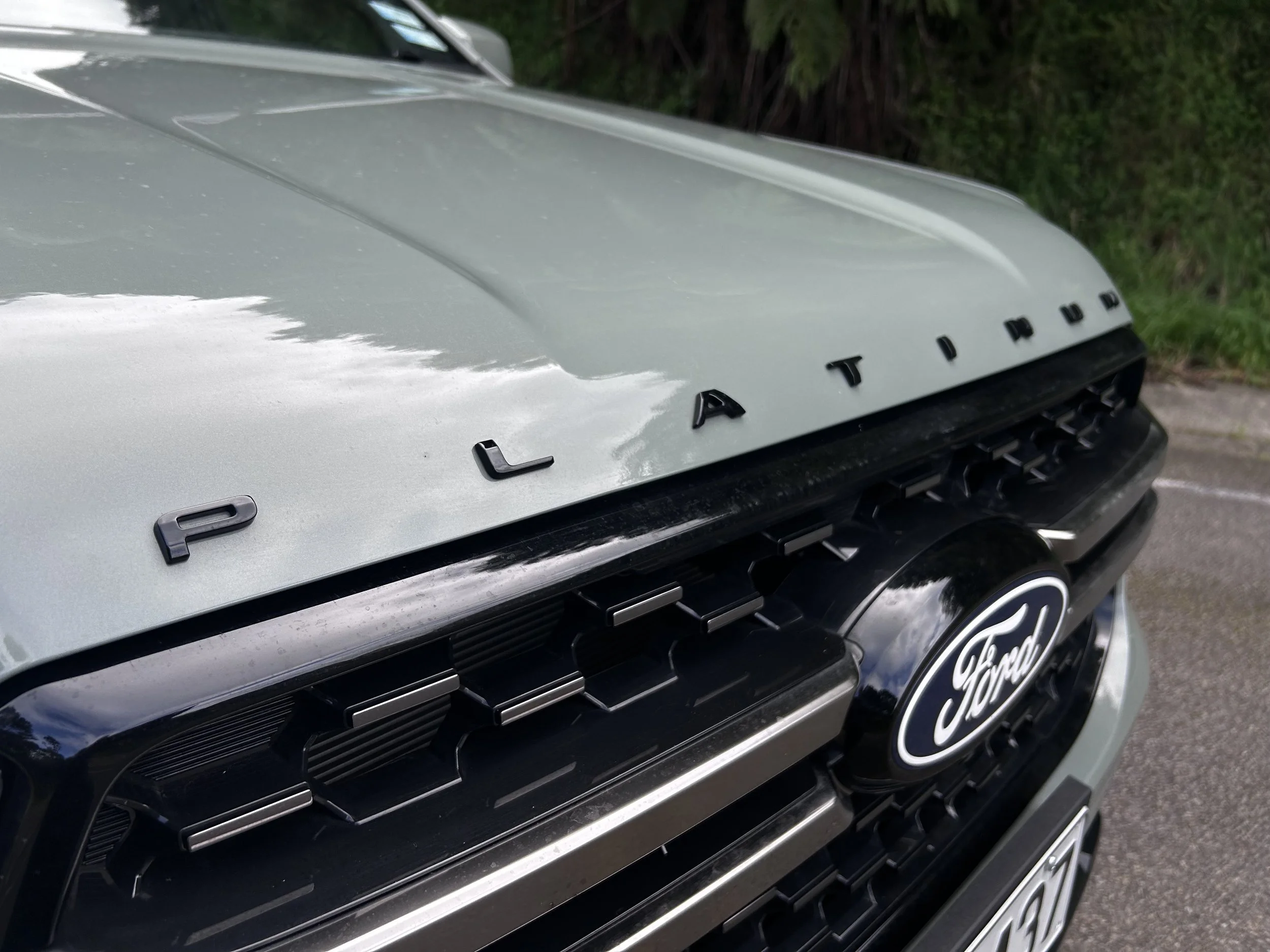
These are a XLT cab chassis choice and a limited edition double cab called the Wolftrak, which has some off-roading enhancements, though it does not seem to be as rugged as the Tremor.
The big running change for what could perhaps best be referred to as ‘mainstream Ranger’, though in Ford-speak it’s the ‘2026.50’ (which means mid-2026), is the shift away from the 154kW/500Nm twin turbo four-cylinder oiler that over the years has commanded 70 percent of volume.
The alternates to that now retired unit are a single turbo 2.0-litre that has been retuned and given a new fuel injection system and timing chain, but has historically been less grunty … and still is.
Making the same 125kW/405Nm quoted for the pre-improved type, this is for all-rear-drive models.
Unsurprisingly, then, carryover grades adopting with that cost less; between $1500 and $2500.
All the four-by-four models that previously had the biturbo have gone to Ford’s flagship diesel.
The 3.0-litre V6, also turbocharged, has been good for 184kW/600Nm.
There’s a premium of no less than $2500 and as much as $6500. As an example of the extreme, look to the XL Double Cab Pick Up. The change to V6 takes it to $66,490. It was $59,990 as a turbo four-cylinder model.
The 2.0-litre biturbo also retires from Everest, which is set to be V6 from now on. But that pricing is not set to be shared for a week or so.
The biturbo has been a massive ingredient of Ranger’s story, and is known for its refinement, good performance and reasonable economy. However, it seems to have been booked down by emissions and perhaps integrity issues. Facebook traffic suggests it is the most criticised of Ranger’s engines.
Another revision for this year is that the 10-speed that already proliferated most versions of the ute and all Everest types is now the sole type of auto.
Ford has indicated no change for Ranger Raptor’s twin-turbo 292kW/593Nm 3.0-litre petrol or for the PHEV, which has a 2.3-litre turbocharged petrol engine and 75kW electric motor, making 207kW and 697Nm all up.
This year’s Rangers also achieve some specification changes, with the base editions now advancing to a 12 inch display screening drive assist features previously absent, and now new trim alternations, that mean different hues of plastics and some paint choice revisions.
The Ranger Sport and Everest Trend nameplates have retired; the latter is now an Active.
In supplied comment, Ford NZ marketing director Mathew Slade said the Ranger has always set the standard for capability and versatility.
“ …and now we’re raising the bar again. We’re giving customers more value, more power, and the trusted, clever features they rely on, whether they’re on a job site or heading out for a weekend adventure.”
Ranger comfortably outsold its closest rival in ute-dom, Toyota Hilux, in 2025 to continue an impressive run as the country’s top choice that sector.