
Joy of six for more Rangers, Everest
/MY2026.5 changes to Ford NZ sales staples also confirms new single turbo 2.0-litre diesel is much less grunty than outgoing biturbo.
IMPACT of powertrain changes coming to Ford’s Ranger and Everest - notably transition from the dual turbo 2.0-litre diesel powertrain that most Kiwis currently buy to a same-capacity single turbo unit - next year has further clarified.
Announcement by Ford today of ‘MY2026.5’ changes - so named because they arrive in the middle of next year - to the models also enforce intent to spread the types’ other compression ignition choice, a 3.0-litre V6, into the entry formats; essentially, all four-by-four versions will be six cylinders.
Ford New Zealand seems set to adopt all model line and specification changes announced in Australia for the ute and its SUV spin-off, the Auckland-based operation’s strongest sellers.
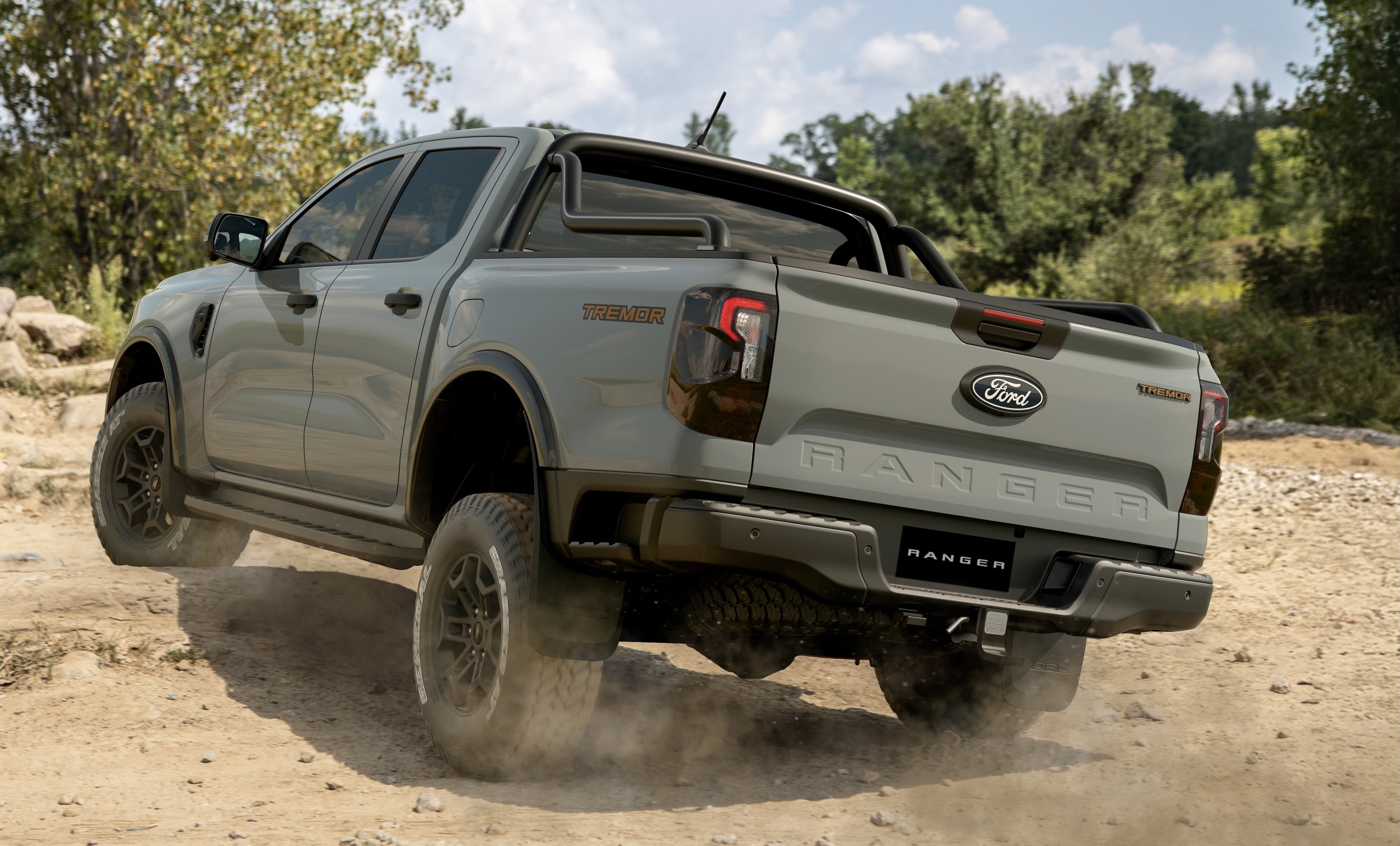
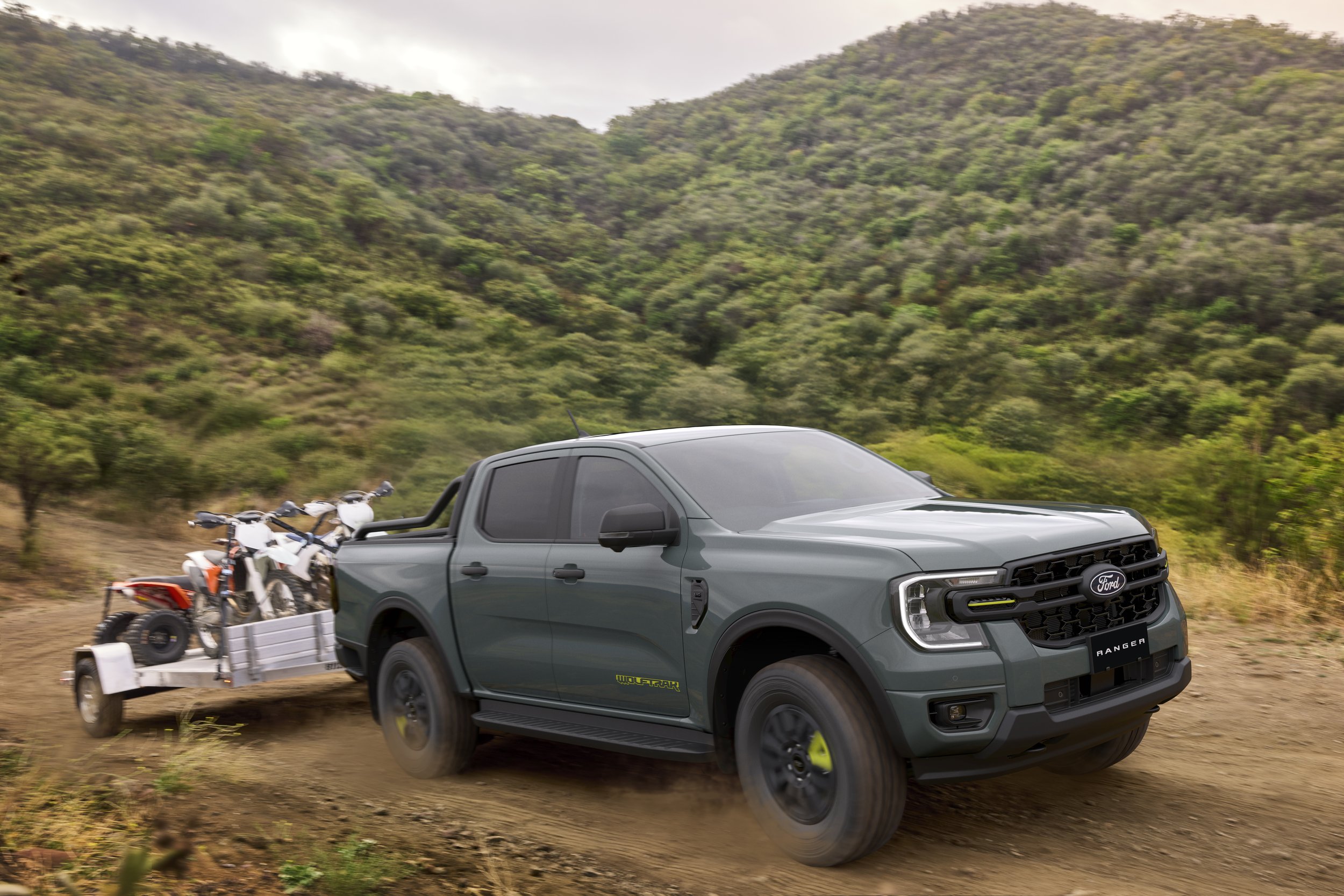
The engine reshuffle aside, revisions range from changes to trim and some equipment, to introduction of new Ranger variants, a Black Edition and a Wolftrak (above), and a fresh entry Everest, the Active, which will be V6, as will the XL Ranger, as an option.
The announcement today adds to thought that intent to drop the biturbo diesel, a global decision, will have to be handled carefully, as the replacement is arriving with substantially less power and torque.
The biturbo has been a massive ingredient of Ranger’s story in NZ - this year achieving more than seven in every 10 sales - and is known for its refinement, good performance and reasonable economy.
When Ford announced last month that this 154kW/500Nm unit is to be shelved, it did not offer any thought if there would be changes to the single turbo replacement to address the clear performance disparity.
Today’s announcement makes clear no changes are coming - the new unit is maintaining the same outputs it has previously had, so 125kW and 405Nm.
The V6 also continues in the same 184kW/600Nm state it has had.
All Ranger are going to zero in on the 10-speed automatic that already proliferates most versions of the ute and all Everest types. The six-speed auto that has been in base Ranger is retiring.
Ford today repeated talk that the single turbo four-cylinder diesel will achieve a new fuel injection system and enforces that it has a timing chain, rather than a wet belt - the latter’s provision in the biturbo was a point of discontent.

Ford has indicated no change for Ranger Raptor’s twin-turbo 292kW/593Nm 3.0-litre petrol V6 or for the recently released Ranger PHEV, which has a 2.3-litre turbocharged petrol engine and 75kW electric motor, making 207kW and 697Nm all up.
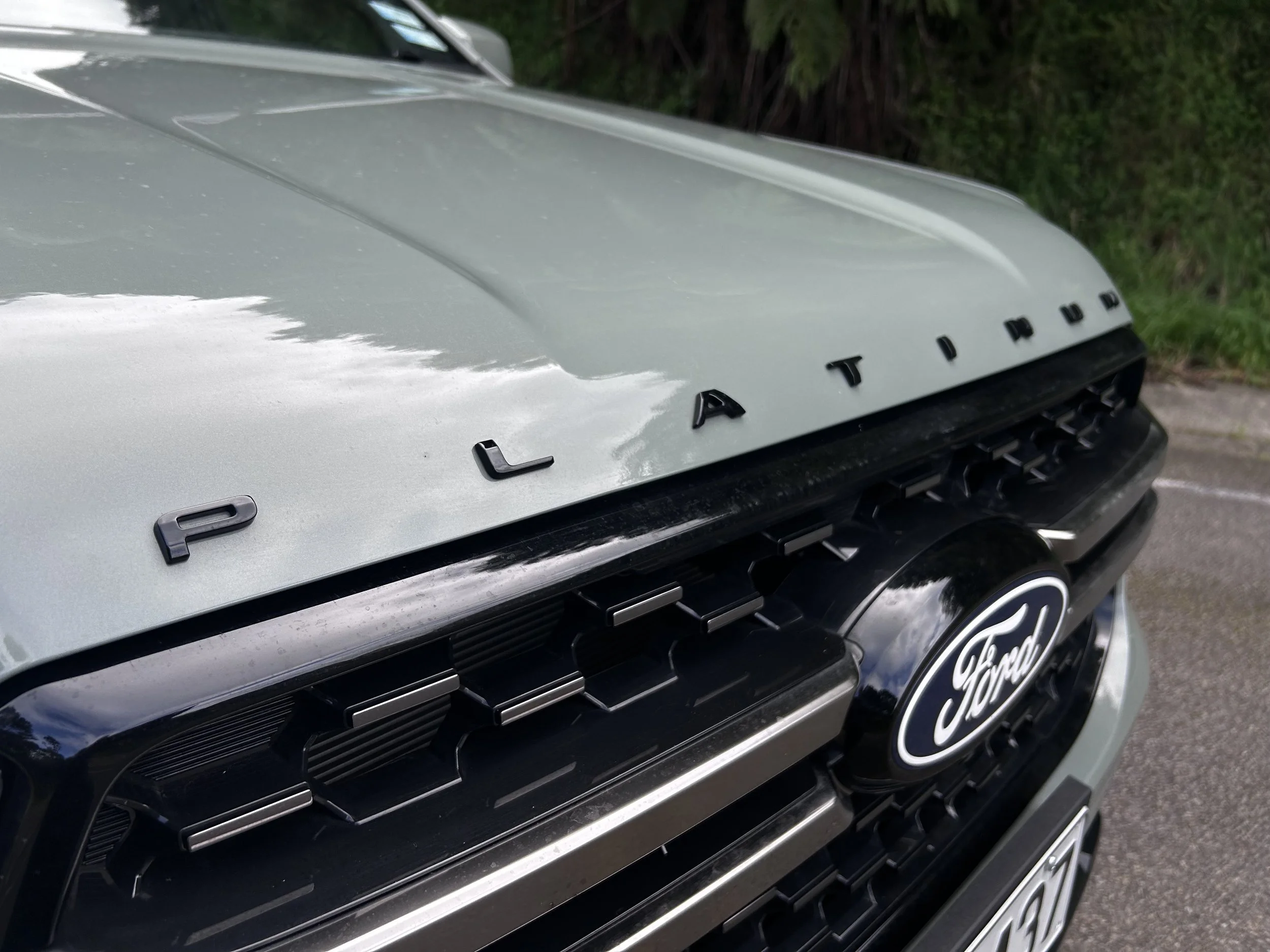
Styling changes with 2026.5 are modest, but include replacing contrasting greys and chrome accents on some models for blacks. The new, darkened look applies to exterior and interior elements including blackened trim and darkened accents, updated wheel designs and bolder lines. These updates apply to Ranger XLT, Wildtrak and Platinum series.
Ranger XL’s upgrade to V6 comes with more equipment as standard, notably a 12-inch infotainment screen, dual-zone climate control rear air vents. The V6 type swaps off 16-inch steel wheels with all-season tyres for 17-inch steel rims with all-terrain tyres, rear disc brakes are added, as well as an e-shifter and adjustable drive modes.
Wildtrak adopts Ignite Orange as its new hero colour with the hue accenting the all-new 18-inch wheels. It also gains Matrix LED headlamps and a 10-speaker sound system.
For the first time, cab-chassis variants will feature the Driver Assist Technology bar, which packages advanced driver-assist systems like Blind Spot Information System with Cross-Traffic Alert. Ford says this allows owners to switch from a tray to a service body without compromising on driver assist features.